
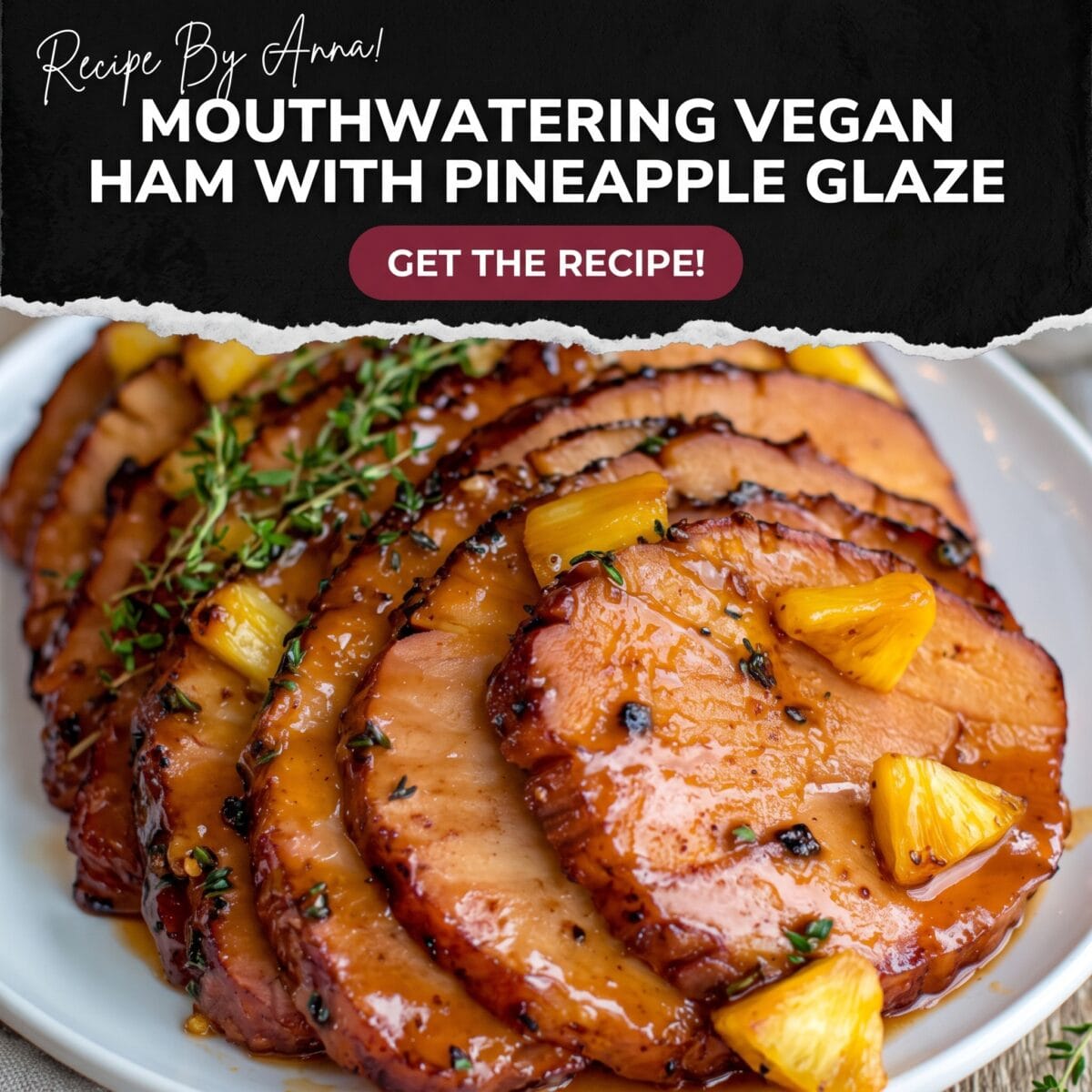
Mouthwatering Vegan Ham with Pineapple Glaze
Looking for a show-stopping vegan main dish that feels special without being complicated? This Vegan Ham with Pineapple Glaze is exactly the kind of recipe to keep around for holidays, Sunday dinners, and any time you want to put something a little different in the middle of the table.
It has a savory, smoky center with a sweet and tangy pineapple glaze that gets beautifully sticky as it cooks. The edges caramelize, the glaze turns glossy, and the whole kitchen starts smelling like something very good is happening.
And don’t worry if you’ve never made a vegan “ham” before. The process is much easier than it sounds.
You prepare the vegan ham, brush it generously with the pineapple glaze, and let the oven do most of the work.
The result is tender in the middle, slightly crisp around the edges, and packed with sweet, savory flavor.
Why You’ll Love This Vegan Ham
This isn’t one of those recipes where you need a long list of unusual ingredients or complicated techniques.
Here’s why it’s worth making:
- It’s completely plant-based.
- The pineapple glaze is sweet, tangy, and savory.
- It makes a beautiful holiday centerpiece.
- Most of the cooking time is hands-off.
- You can prepare parts of it ahead.
- The leftovers are great for sandwiches and bowls.
- It’s easy to adjust the glaze to your taste.
If you’re building a plant-based dinner, my Spicy Tofu in Creamy Coconut Sauce is another flavorful option with a completely different flavor profile.
What Is Vegan Ham?
Vegan ham is a plant-based alternative to traditional ham.
Depending on the recipe or product you’re using, it can be made from ingredients such as seitan, tofu, beans, vegetables, or plant-based proteins.
For this recipe, we’re looking for something with a firm texture that can hold its shape while baking and absorb plenty of that delicious glaze.
The goal isn’t to make it taste exactly like pork.
Instead, we’re going for something savory, smoky, slightly salty, and satisfying enough to take center stage at dinner.
And the pineapple glaze is what really brings everything together.
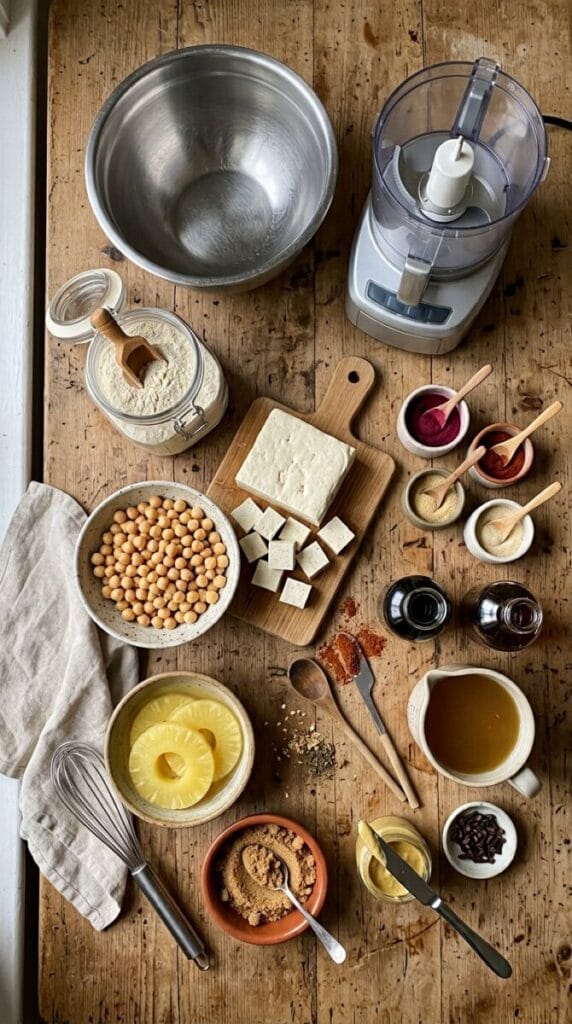
Ingredients You’ll Need
For the Vegan Ham
- 1 vegan ham roast
- Olive oil
- Maple syrup or brown sugar
- Dijon mustard
- Garlic powder
- Smoked paprika
- Onion powder
- Black pepper
- A little soy sauce or tamari
- Optional: a pinch of ground cloves
For the Pineapple Glaze
- Pineapple juice
- Brown sugar or maple syrup
- Dijon mustard
- Apple cider vinegar
- Soy sauce or tamari
- Garlic
- A little smoked paprika
- Cornstarch, if needed for thickening
The combination of pineapple, mustard, and brown sugar gives you that sweet-and-savory flavor that works so well with a holiday-style roast.
How to Make Vegan Ham With Pineapple Glaze
Start With the Glaze
Before you put the vegan ham in the oven, make the glaze.
Add the pineapple juice, brown sugar, Dijon mustard, apple cider vinegar, soy sauce, garlic, and smoked paprika to a small saucepan.
Bring everything to a gentle simmer over medium heat.
Let it cook for a few minutes, stirring occasionally.
You want the mixture to reduce slightly and become more concentrated.
If your glaze is still very thin, mix a small amount of cornstarch with cold water and stir it into the saucepan.
Don’t make it too thick, though.
The glaze will continue to thicken as it cools and as it cooks on the vegan ham.
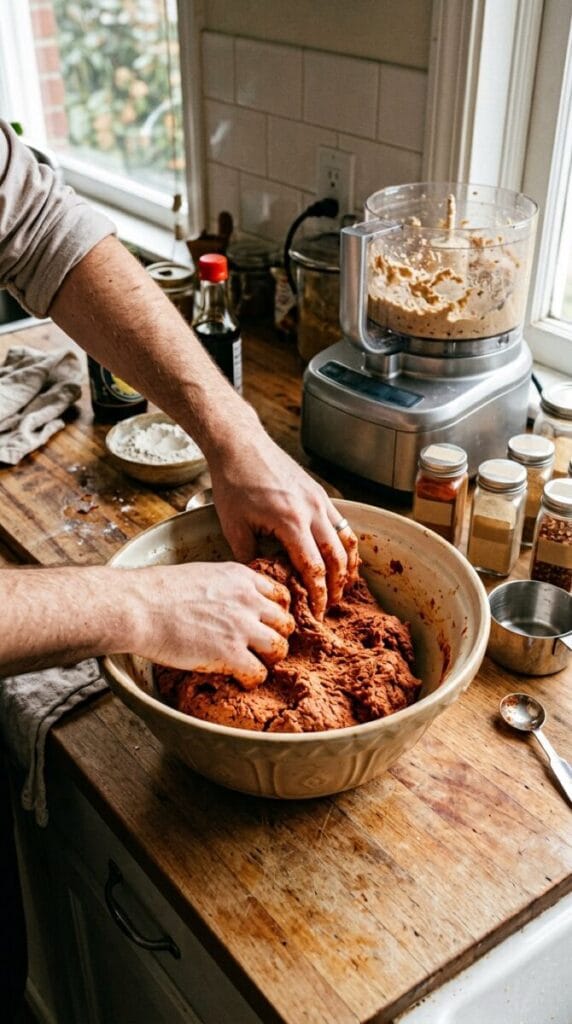
Prepare the Vegan Ham
Place the vegan ham roast in a baking dish.
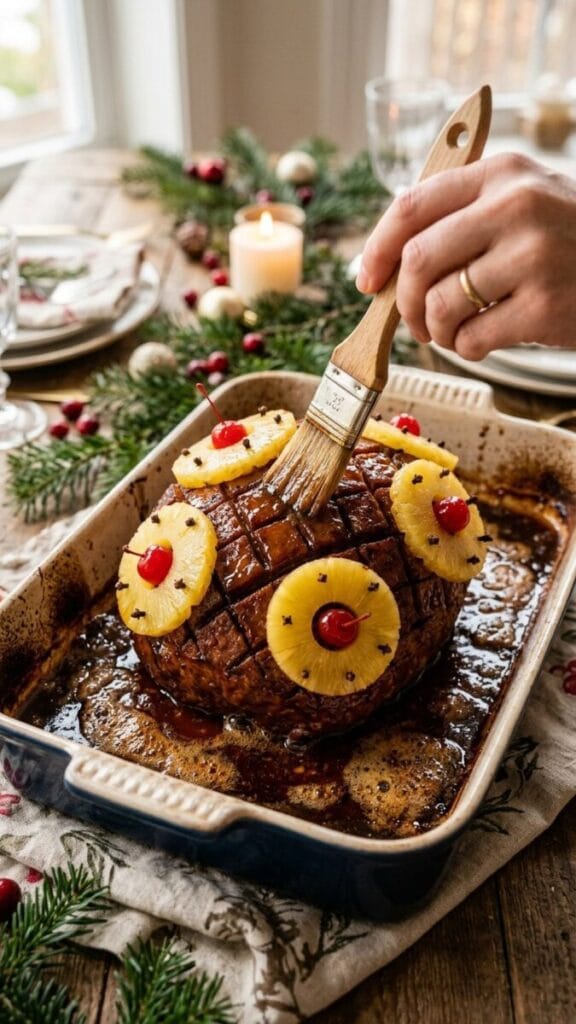
If the roast has a thick outer layer, gently score the surface with a sharp knife.
You don’t need to cut deeply.
A few shallow lines are enough to give the glaze more places to settle.
This also gives the finished roast that classic glazed-ham look.
Brush the entire surface with a generous layer of pineapple glaze.
Don’t be shy here.
The more glaze that gets onto the surface, the more caramelized and flavorful the outside will become.
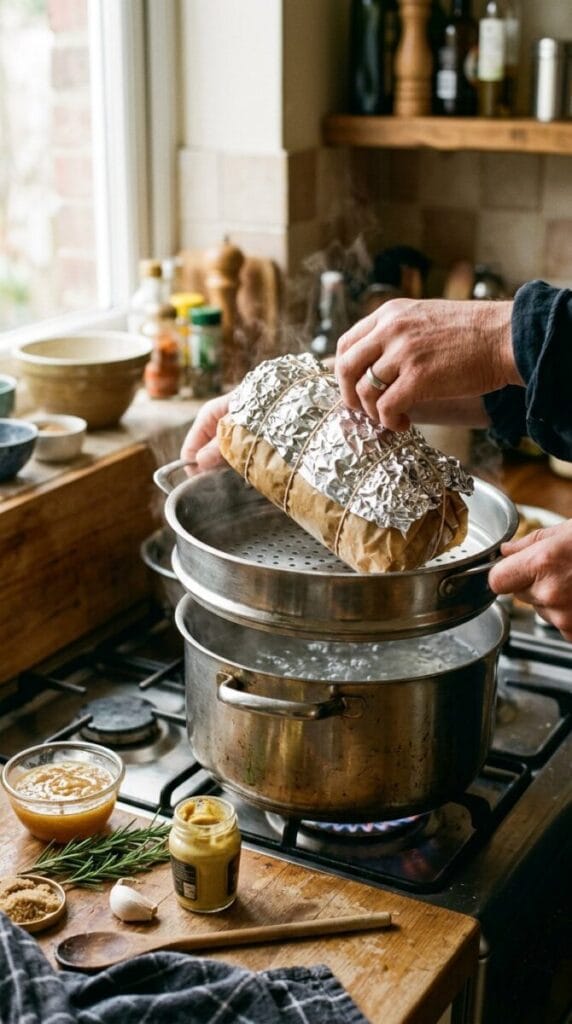
Bake and Glaze
Cover the baking dish loosely with foil and bake according to the cooking instructions for your vegan ham.
After the first part of cooking, remove the foil and brush the roast with more pineapple glaze.
Return it to the oven uncovered.
Continue baking until the outside is glossy, caramelized, and lightly browned.
For the best flavor, brush it with another layer of glaze during the final 10–15 minutes.
Keep an eye on it during the last few minutes because the sugar in the glaze can caramelize quickly.
You want deep golden edges, not burnt ones.
Let It Rest
Once the vegan ham is finished, don’t slice it immediately.
Let it rest for about 10–15 minutes.
This gives the exterior time to settle and makes slicing much easier.
Plus, the glaze will thicken slightly as it cools.
The Secret to a Really Good Pineapple Glaze
The trick is getting the balance right.
You don’t want the glaze to taste like straight pineapple juice.
It needs a little saltiness, acidity, and savory flavor to balance the sweetness.
That’s why Dijon mustard and soy sauce are so helpful.
The pineapple provides sweetness and fruitiness.
The brown sugar or maple syrup helps with caramelization.
The mustard adds a little sharpness.
The vinegar keeps the glaze from becoming overly sweet.
And the soy sauce gives it that deeper savory flavor.
Together, they make a glaze that tastes much more interesting than simply brushing the roast with pineapple juice.
Should You Use Fresh or Canned Pineapple?
Either can work.
For the glaze, pineapple juice is usually the easiest option because it gives you a consistent amount of liquid.
If you’re using canned pineapple, save the juice instead of throwing it away.
You can use the pineapple pieces as a garnish or serve them alongside the finished vegan ham.
Fresh pineapple works beautifully too, especially if you want to add grilled or roasted pineapple slices to the serving platter.
Pineapple is already a great ingredient for adding moisture and natural sweetness to baked dishes. KitchenAg’s Texas Tornado Cake is another example of how much flavor pineapple can bring to a recipe.
Easy Ways to Change the Glaze
Once you have the basic pineapple glaze, it’s easy to give it a different personality.
Make It Spicy
Add a pinch of red pepper flakes or a little hot sauce.
The heat works surprisingly well with the sweet pineapple.
Make It More Citrus-Focused
Add a little orange or lime zest.
This gives the glaze a brighter flavor that works especially well for spring or summer dinners.
Add More Smokiness
A little extra smoked paprika can give the vegan ham a deeper, barbecue-style flavor.
Try Maple Instead of Brown Sugar
Maple syrup gives the glaze a slightly softer sweetness and works especially well if you’re serving the roast with roasted vegetables.
What to Serve With Vegan Ham
A glazed vegan ham is rich and savory, so I like pairing it with simple sides.
Try serving it with:
- Roasted potatoes
- Mashed potatoes
- Green beans
- Roasted carrots
- Brussels sprouts
- Sweet potatoes
- Corn
- Simple green salad
- Dinner rolls
- Pineapple slices
For another plant-forward side, KitchenAg’s Honey Roasted Cauliflower with Grilled Halloumi and Crunchy Chickpeas has plenty of roasted, caramelized flavor and works beautifully as part of a larger dinner spread.
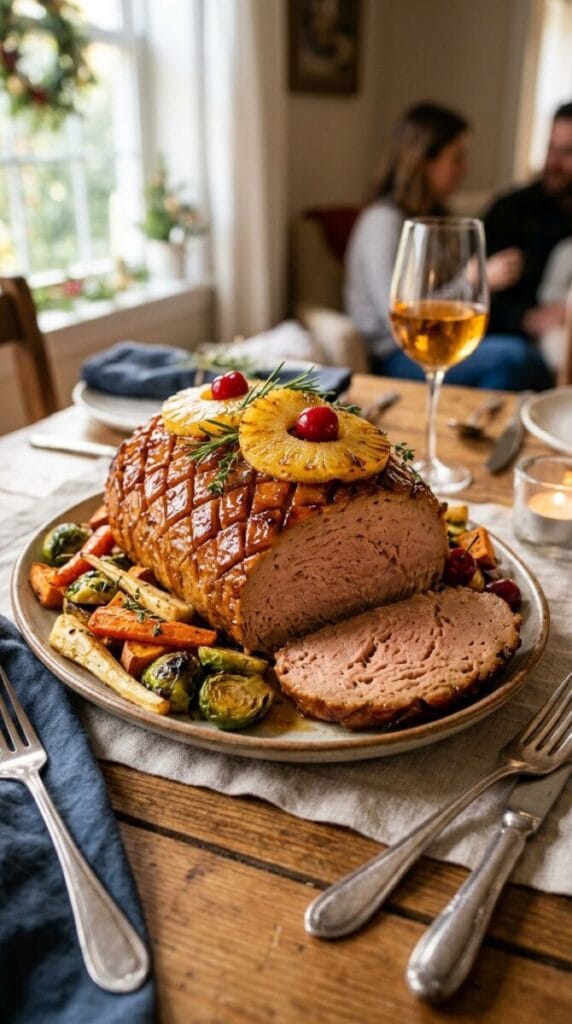
If you’re serving this for a holiday meal, you can also put the sliced vegan ham on a large platter surrounded by roasted vegetables and fresh herbs.
It doesn’t need much decoration because that glossy pineapple glaze already does most of the work.
Can You Make Vegan Ham Ahead of Time?
Yes, and this is one of the best things about making it for a holiday meal.
You can prepare the glaze a day ahead and keep it covered in the refrigerator.
You can also prepare the vegan ham according to the product or recipe instructions and reheat it before serving.
For the freshest finish, save some glaze for the final reheating stage.
Brush it over the roast before putting it back into the oven.
That helps bring back the glossy, caramelized exterior.
How to Store Leftovers
Let the vegan ham cool before transferring it to an airtight container.
Keep it refrigerated and use within a few days.
Leftovers are incredibly useful.
Slice them thinly and use them in:
- Sandwiches
- Wraps
- Breakfast bowls
- Salads
- Rice bowls
- Pasta
- Toasted sandwiches
You can also chop the leftovers into small pieces and add them to a breakfast scramble with vegetables.
Can You Freeze Vegan Ham?
In most cases, yes.
Wrap individual slices tightly and place them in a freezer-safe container or bag.
Freeze for up to a couple of months for the best quality.
Thaw overnight in the refrigerator before reheating.
Because the exact texture can vary depending on the vegan ham you use, check the package instructions if you’re using a store-bought roast.
Common Mistakes to Avoid
Making the Glaze Too Thick
Remember that the glaze will thicken as it cools and cooks.
You want it thick enough to coat the roast but still easy to brush.
Using Too Much Heat
Sugar can go from beautifully caramelized to burnt surprisingly quickly.
Keep an eye on the roast during the final stage.
Skipping the Resting Time
Give the vegan ham a few minutes to rest before slicing.
It will be easier to cut and the glaze will have time to set.
Not Glazing Enough
The glaze is one of the best parts of the recipe.
Brush it on more than once instead of using one thick layer at the beginning.
Several thinner layers create a much better finish.
Slicing Too Thickly
Thin or medium slices usually work best, especially if you’re serving the vegan ham as part of a large dinner.
How to Make It Look Extra Special
If you’re making this for Thanksgiving, Christmas, Easter, or another special dinner, presentation matters.
Place the sliced vegan ham on a large serving platter.
Add pineapple rings or chunks around the edges.
Scatter a few fresh herbs over the top.
You can also add roasted carrots, cranberries, or orange slices for extra color.
Then spoon a little extra pineapple glaze over the sliced roast just before serving.
It looks festive without requiring complicated decorating.
A Few More Plant-Based Ideas
If you’re enjoying adding more plant-based recipes to your menu, there are plenty of easy ways to keep things interesting.
KitchenAg’s Spicy Tofu in Creamy Coconut Sauce is a great choice when you want something creamy and spicy.
For something fresh and colorful, Spring Roll Salad with Peanut Dressing is another fun plant-forward recipe that works well for lunch or as a lighter side.
And if you’re putting together a larger vegetarian dinner, Honey Roasted Cauliflower with Grilled Halloumi and Crunchy Chickpeas gives you plenty of roasted flavor and texture.
Final Thoughts
This Vegan Ham with Pineapple Glaze is the kind of recipe that makes a plant-based holiday meal feel anything but boring.
The vegan ham gives you a hearty centerpiece, while the pineapple glaze adds sweetness, acidity, and plenty of caramelized flavor.
It’s easy enough for a regular Sunday dinner but special enough for a holiday table.
And honestly, the leftovers might be just as exciting.
Slice them for sandwiches, add them to a breakfast bowl, or simply warm up a piece and enjoy it with whatever sides are left in the fridge.
Once you get that sweet, sticky pineapple glaze on top, it’s hard not to go back for another slice.
Vegan Ham with Pineapple Glaze
A show-stopping plant-based roast brushed with a sweet, tangy, smoky pineapple glaze until glossy, caramelized, and perfect for holidays, Sunday dinners, sandwiches, and leftovers.
Why This Recipe Works
This vegan ham recipe turns a plant-based roast into a holiday-style centerpiece with a sticky pineapple glaze. The glaze combines fruit sweetness, mustard sharpness, vinegar acidity, soy sauce savoriness, and smoked paprika for a balanced sweet-savory finish.
Brushing the glaze on in layers creates a better result than adding it all at once. Several thinner coats caramelize gradually, giving the roast glossy edges, deeper flavor, and that classic glazed-ham appearance.
Ingredients
Instructions
Add pineapple juice, brown sugar or maple syrup, Dijon mustard, apple cider vinegar, soy sauce, garlic, and smoked paprika to a small saucepan. Bring to a gentle simmer over medium heat.
Simmer for 5 to 7 minutes, stirring occasionally, until the glaze is slightly reduced and more concentrated. It should be pourable but flavorful.
If the glaze is very thin, stir cornstarch with cold water to make a slurry, then whisk it into the simmering glaze. Cook 1 minute more. Do not make it too thick; it will thicken as it cools and bakes.
Preheat oven according to your vegan ham package directions, usually around 350°F / 175°C. Place the vegan ham roast in a baking dish.
If the roast has a firm exterior, score shallow diagonal lines across the surface with a sharp knife. Do not cut deeply; the goal is to give the glaze places to settle.
Stir olive oil, Dijon mustard, soy sauce, smoked paprika, garlic powder, onion powder, black pepper, and optional cloves together. Brush this mixture over the vegan ham.
Brush the roast generously with pineapple glaze. Reserve extra glaze for basting and serving.
Cover the baking dish loosely with foil and bake for the first 20 to 25 minutes, or according to your vegan ham roast instructions.
Remove the foil, brush with another layer of pineapple glaze, and return the roast to the oven uncovered.
Continue baking for 15 to 20 minutes, brushing again during the final 10 minutes, until the outside is glossy, lightly browned, and caramelized at the edges.
Let the vegan ham rest for 10 to 15 minutes before slicing. This helps the glaze set and makes cleaner slices.
Slice thinly or medium-thick. Spoon extra warm pineapple glaze over the top and garnish with pineapple, herbs, roasted vegetables, or cranberries if desired.
Key Technique Notes
Pineapple brings sweetness, Dijon adds sharpness, vinegar adds acidity, and soy sauce adds savory depth.
Several thin glaze layers create a glossier, stickier, more caramelized finish than one heavy coat.
Sugar caramelizes quickly. Look for deep golden edges, not burnt spots.
A short rest lets the glaze settle and helps the vegan ham slice more cleanly.
Helpful Pairing Note
Glaze Variations
Add red pepper flakes, cayenne, or hot sauce to the glaze. The heat balances the pineapple sweetness beautifully.
Add orange zest, lime zest, or a splash of orange juice for a brighter glaze that works well for spring dinners.
Increase smoked paprika or add a tiny splash of liquid smoke for a deeper barbecue-style flavor.
Use maple syrup instead of brown sugar for a softer sweetness that pairs especially well with roasted vegetables.
Serving Ideas
Arrange sliced vegan ham on a platter with pineapple rings, roasted carrots, cranberries, and fresh herbs.
Serve with mashed potatoes, roasted potatoes, green beans, Brussels sprouts, sweet potatoes, corn, or dinner rolls.
Slice thinly and use in toasted sandwiches with mustard, vegan mayo, pickles, greens, or extra pineapple glaze.
Chop leftovers and serve over rice with roasted vegetables, pineapple pieces, herbs, and a drizzle of glaze.
Nutrition
| Nutrient | Amount Per Serving |
|---|---|
| Calories | 260 kcal |
| Protein | 24 g |
| Carbohydrates | 24 g |
| Fat | 8 g |
Values are estimates and will vary depending on the vegan ham roast used and how much glaze is served.
Prepare the pineapple glaze up to 1 day ahead. Store covered in the refrigerator and warm gently before brushing.
Let leftovers cool, then store in an airtight container in the fridge for up to 4 days.
Freeze individual slices tightly wrapped for up to 2 months. Thaw overnight in the refrigerator.
Reheat covered at 325°F until warm, then brush with reserved glaze and uncover briefly to restore the glossy finish.
The glaze thickens as it cools and bakes. Keep it brushable, not paste-like. Thin with pineapple juice if needed.
Sugar burns quickly near the end. Watch closely during the final 10 minutes and reduce heat if needed.
One glaze layer is not enough. Brush several times so the glaze builds flavor and caramelization.
The roast was sliced too soon or too thickly. Rest 10 to 15 minutes and slice thin to medium pieces.