
Ground Chicken Meatballs Recipe — Six Ways
These Ground Chicken Meatballs are the lighter meatball that gives you everything a beef meatball delivers in terms of flavour, texture, and versatility — minus the fat content and with significantly more protein per calorie. Ground chicken meatballs have a reputation for being bland and dry that this recipe specifically exists to disprove: the right combination of binders, aromatics, and moisture-locking ingredients produces a meatball that is tender throughout, deeply seasoned, and golden-crusted on the outside whether they are baked in the oven or seared in a pan.
The base recipe here is a classic Italian-seasoned baked chicken meatball — the foundation that can go directly into marinara, get finished in a creamy sun-dried tomato sauce, be glazed in teriyaki, tossed in buffalo sauce, or served in a Greek bowl with tzatziki — six complete recipes covered below from one method, one meatball mix, six completely different dinners.
Ground chicken meatballs freeze perfectly, reheat in under 5 minutes, and batch-cook efficiently — 30 meatballs from one batch of this recipe, enough for three dinners for four people, cooked in 25 minutes on a Sunday that covers a full week of fast weeknight meals.
Why Ground Chicken Meatballs Are Worth Making Over Beef
Ground chicken is leaner than ground beef and the resulting meatball is lighter in both texture and calorie count — a chicken meatball at approximately 60 to 70 calories each versus 90 to 110 calories for a comparable beef meatball. The lower fat content is also what creates the specific challenge of a chicken meatball — it does not have the natural moisture provided by beef fat — and why the binders and aromatics in this recipe are specifically chosen to replace that moisture rather than just add flavour.
The versatility advantage is genuine — a chicken meatball takes on surrounding sauce flavours more completely than a beef meatball because its milder base doesn’t compete. A teriyaki-glazed chicken meatball tastes of teriyaki; a teriyaki-glazed beef meatball tastes of beef with teriyaki.
- Prep Time: 15 minutes
- Cook Time: 20 to 22 minutes (baked)
- Total Time: 35 minutes
- Yield: approximately 28 to 30 meatballs (1.5-inch size), serves 4 to 6
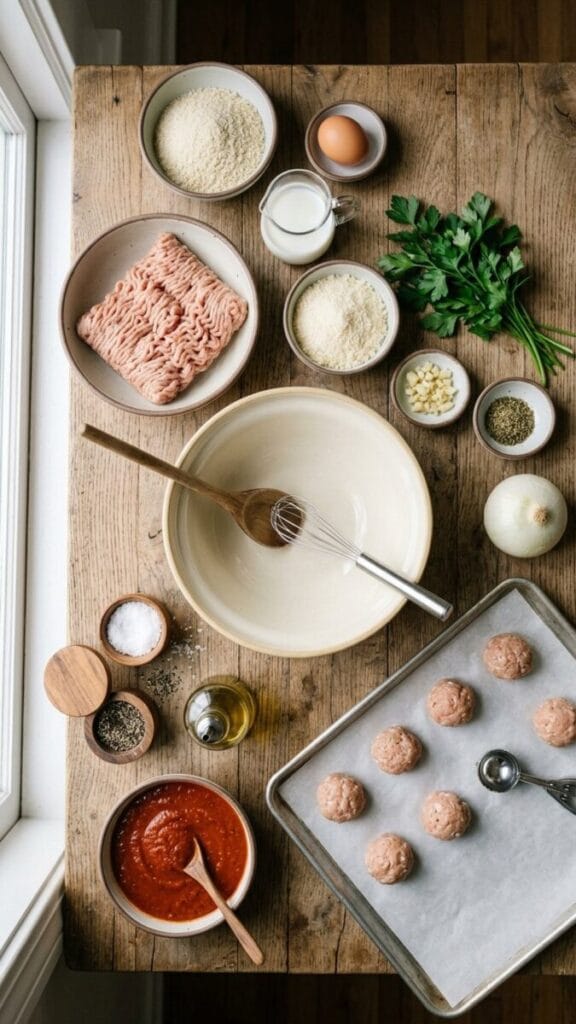
What You Need — The Base Recipe
- Ground chicken: 1 1/2 lbs (680g) — ground chicken thigh rather than breast produces a juicier meatball if your butcher offers both; thigh has slightly more fat which the meatball benefits from
- Panko breadcrumbs: 1/3 cup (30g)
- Parmesan cheese, finely grated: 1/3 cup (33g) — adds umami, salt, and a small amount of fat that significantly improves the meatball’s moisture
- Large egg: 1
- Whole milk: 2 tablespoons — hydrates the breadcrumbs and keeps the interior moist throughout baking
- Garlic cloves, minced or grated: 3
- Yellow onion, grated on the small holes of a box grater: 3 tablespoons — grated onion distributes moisture through every meatball without leaving visible onion pieces
- Fresh flat-leaf parsley, finely chopped: 3 tablespoons
- Dried Italian seasoning: 1 teaspoon
- Dried oregano: 1/2 teaspoon
- Fine sea salt: 1 teaspoon
- Black pepper: 1/2 teaspoon
- Red pepper flakes: 1/4 teaspoon
- Olive oil: 1 tablespoon — for drizzling over or tossing the formed meatballs before baking
How to Make the Base Meatballs
- Preheat the oven to 425°F (220°C) and line two baking sheets with parchment paper or foil. The high temperature produces a golden exterior crust rather than a pale, steamed surface.
- Soak the panko in the milk in a small bowl for 2 minutes — this brief hydration prevents the breadcrumbs from pulling moisture from the surrounding meat during baking, which is the most important single step for a moist chicken meatball. The breadcrumb-and-milk panade is the technique that keeps lean proteins moist.
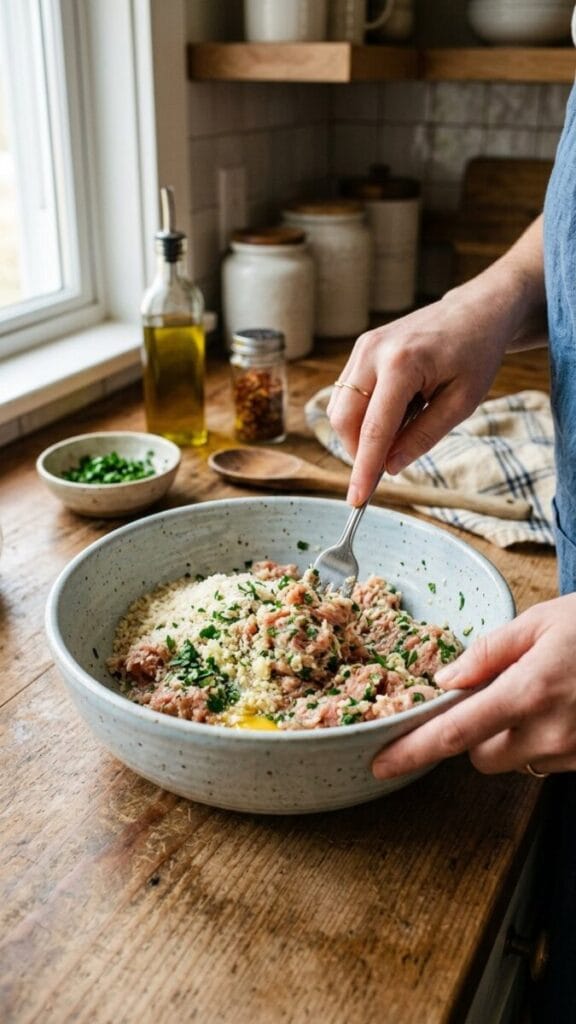
- Combine the ground chicken, soaked panko, Parmesan, egg, garlic, grated onion, parsley, Italian seasoning, oregano, salt, pepper, and red pepper flakes in a large bowl and mix gently with your hands until just combined — do not overwork the mixture, which compacts the proteins and produces a dense, tough meatball rather than a tender one.
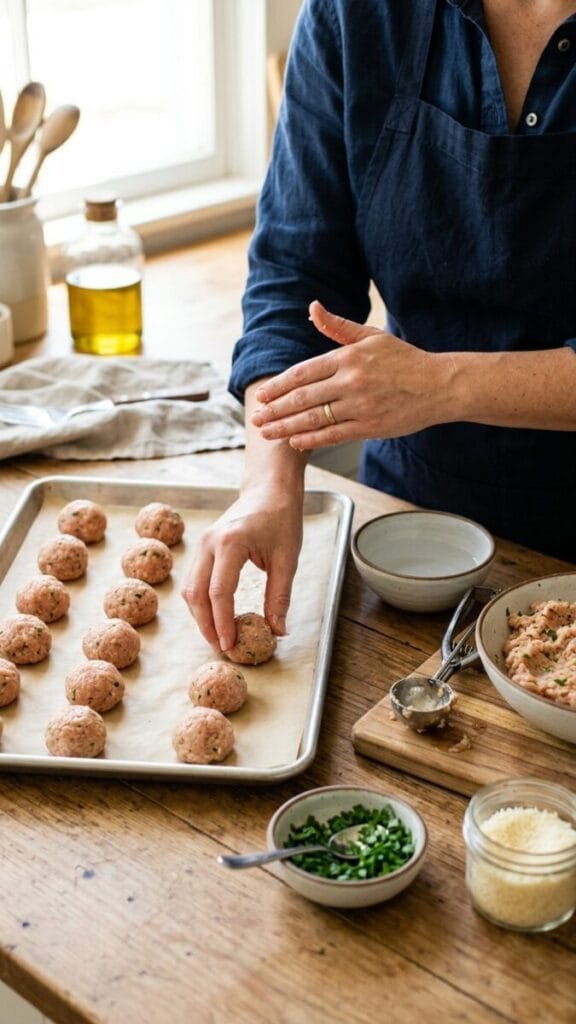
- With lightly oiled hands, roll the mixture into balls approximately 1.5 inches in diameter — slightly smaller than a golf ball — and place on the prepared baking sheets 1 inch apart. Using a cookie scoop produces uniform meatballs that cook at the same rate.
- Drizzle or brush the meatballs lightly with olive oil — the oil produces the golden exterior crust and prevents the surface from drying out under the high oven heat.
- Bake at 425°F for 18 to 22 minutes until the meatballs are golden brown on the outside and cooked through to 165°F internally. They will not have a dramatic seared crust from the oven — for a deeper golden crust, transfer the baked meatballs to a hot skillet with a splash of olive oil for 2 to 3 minutes of stovetop finishing.
- Use immediately in any of the variations below, or cool and refrigerate or freeze for later use.
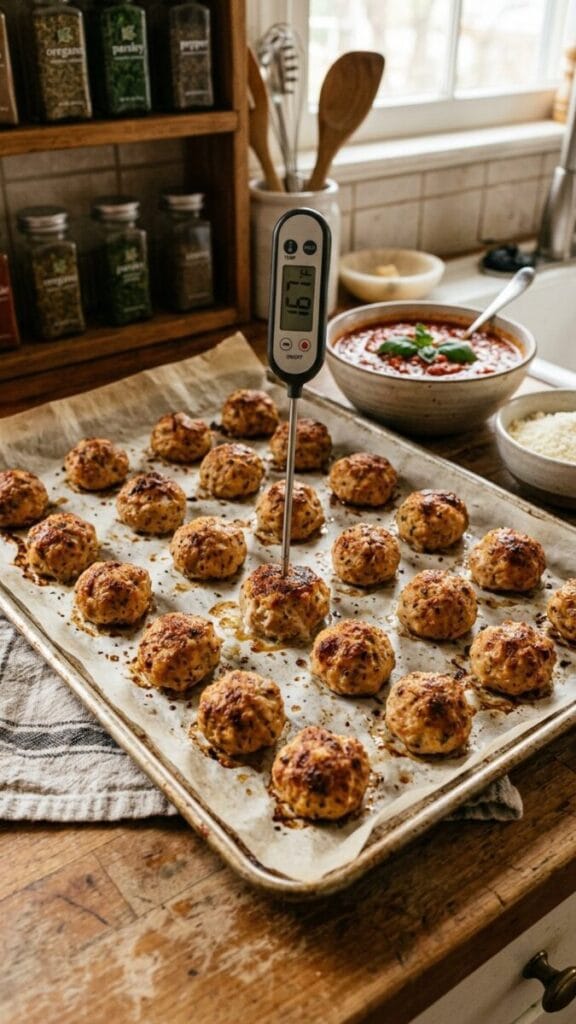
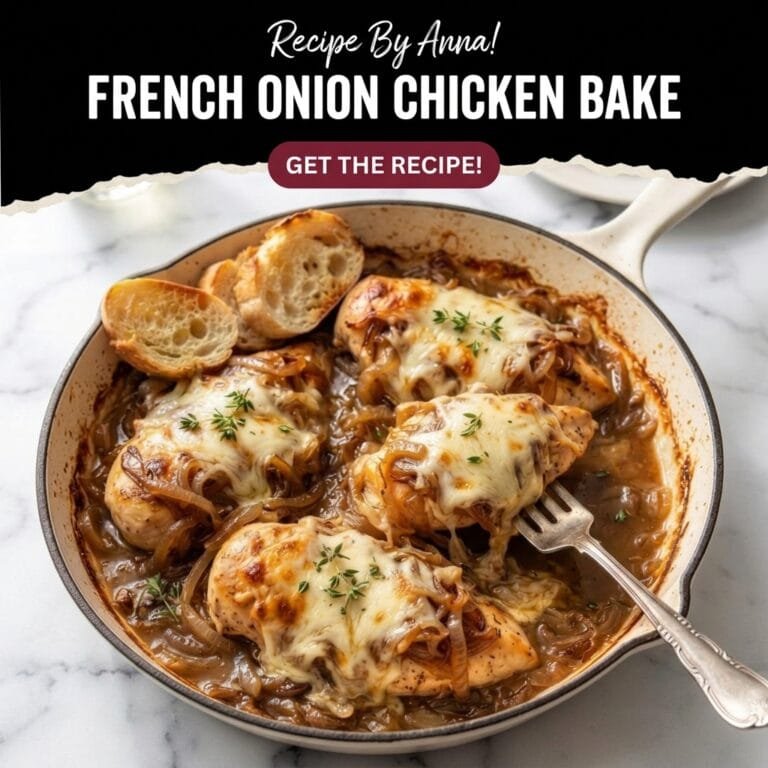
Chicken meatballs over pasta with marinara is the dinner our Homemade Lasagna and our Slow Cooker Million Dollar Pasta share the same Italian-American comfort food category with — the meatball recipe here works as the protein component in either of those pasta dishes in place of the ground beef, producing a leaner version of each with the same sauce and pasta characters.
Six Ground Chicken Meatball Variations
Marry Me Chicken Meatballs — the social media viral variation that earns its hyperbolic name. Bake or pan-sear the base meatballs, then finish them in a creamy sun-dried tomato sauce: sauté 3 minced garlic cloves in 1 tablespoon of olive oil, add 1/2 cup of sun-dried tomatoes (oil-packed, drained and chopped), 1/2 teaspoon of red pepper flakes, 1 cup of chicken broth, and 3/4 cup of heavy cream. Simmer for 5 minutes until slightly thickened, add 1/4 cup of fresh basil and 1/4 cup of grated Parmesan, then add the cooked meatballs and simmer 3 minutes. Serve over pasta or with crusty bread. The combination of sun-dried tomato richness, cream, and basil against the seasoned chicken meatball is the dish behind the name.
Greek Chicken Meatballs with Tzatziki — modify the base recipe by replacing the Italian seasoning and oregano with 1 teaspoon of dried oregano, 1/2 teaspoon of dried mint, 1/2 teaspoon of ground cumin, and 1/4 teaspoon of cinnamon. Add 2 tablespoons of crumbled feta to the mixture and 1 teaspoon of lemon zest. Bake as directed. Serve over rice or in pita with sliced cucumber, tomatoes, red onion, and a homemade tzatziki (1 cup of Greek yogurt, 1/2 grated and squeezed cucumber, 2 minced garlic cloves, 1 tablespoon of fresh dill, 1 tablespoon of lemon juice, salt). This is the Mediterranean bowl that works for meal prep through the week.
Teriyaki Chicken Meatballs — bake the base meatballs as directed, then toss in the teriyaki glaze from our Asian Glazed Salmon Sheet Pan recipe — soy sauce, mirin, sake, brown sugar, garlic, and ginger cooked down with a cornstarch slurry to a thick, glossy coating. Serve over steamed rice with sesame seeds and sliced green onions. The teriyaki glaze penetrates the meatball’s mildly seasoned surface and the result tastes as complete as any restaurant teriyaki dish at a fraction of the sodium in bottled teriyaki sauce.
Chicken Parmesan Meatballs — bake the base meatballs, then nestle them in a baking dish with 2 cups of marinara sauce. Scatter 1 cup of shredded mozzarella and 1/4 cup of grated Parmesan over the meatballs and broil for 3 to 4 minutes until the cheese is bubbling and spotted with golden. Serve directly from the baking dish over pasta or with garlic bread. This is the meatball dish that looks like the most effort and requires only the final broil step beyond the base recipe.
Buffalo Chicken Meatballs — bake the base meatballs as directed, then toss in a mixture of 1/3 cup of Frank’s RedHot hot sauce, 2 tablespoons of melted butter, and 1 tablespoon of honey while still warm from the oven — the honey prevents the buffalo sauce from being aggressively sharp and adds a slight sweetness that rounds the heat. Serve as an appetiser with blue cheese or ranch dipping sauce and celery sticks, or in a bowl over cauliflower rice with avocado and pickled jalapeño. The most crowd-pleasing party variation.
Chicken Meatballs and Orzo — bake the base meatballs, then drop them into a one-pot orzo: sauté onion and garlic in a large pan, add 1 cup of dry orzo and toast for 1 minute, add 2 cups of chicken broth and 1 cup of crushed tomatoes, bring to a simmer and cook for 8 minutes until the orzo is almost tender. Add a handful of spinach, stir in 2 tablespoons of butter and 1/4 cup of Parmesan, nestle the meatballs into the orzo, cover and simmer 3 minutes. The orzo absorbs the tomato broth and the chicken meatballs make it a complete one-pan dinner that serves four in under 30 minutes.
The Two Technique Details That Keep Chicken Meatballs Moist
The panade — the mixture of panko soaked in milk added to the meatball mixture — is the single most important ingredient for a moist ground chicken meatball. Ground chicken is a lean protein with minimal fat to baste itself during baking, which means the moisture must be built into the mixture before cooking. The soaked breadcrumbs absorb and hold moisture within the meatball during the oven’s high heat in the same way that adding a sponge to the mixture would — the breadcrumbs swell with liquid and release it slowly as the proteins cook around them.
Grated onion rather than diced onion is the second key technique — grated onion on the fine side of a box grater produces an onion purée that distributes moisture and sweetness invisibly through the meatball rather than leaving identifiable pieces of onion that can dry out or create steam pockets as the meatball bakes. The flavour of grated onion is fully present in the finished meatball; the texture is not.
According to Serious Eats, the panade technique produces measurably more moisture in finished meatballs compared to meatballs made without it — the starch granules in the soaked breadcrumbs absorb liquid during the soaking period and form a gel that physically traps water within the meatball during cooking, preventing the moisture loss that produces the dry, compact texture that lean ground proteins are associated with when cooked without this technique.
Nutritional Information
| Nutrient | Amount Per 5 Meatballs (base recipe, no sauce) |
|---|---|
| Calories | 265 kcal |
| Protein | 32 g |
| Carbohydrates | 8 g |
| Fats | 11 g |
These values are estimates for 5 meatballs from the base recipe without sauce, based on ground chicken thigh. Ground chicken breast produces slightly fewer calories (approximately 235 per 5 meatballs) and slightly less fat. Adding the Marry Me sauce adds approximately 120 calories per serving from the cream and sun-dried tomatoes. The buffalo sauce adds approximately 45 calories per serving from the butter and honey.
Freezing and Meal Prepping These
Chicken meatballs are the best meal-prep protein in this collection — they freeze individually, reheat in minutes, and adapt to every sauce direction listed above. The full batch of 28 to 30 meatballs from one recipe provides three complete dinners for four people, each in a different sauce direction, with the meatballs themselves requiring no additional preparation on the weeknight.
Freeze on a parchment-lined baking sheet in a single layer until solid — about 2 hours — then transfer to a sealed freezer bag and freeze for up to 3 months. Reheat from frozen by adding directly to a simmering sauce and cooking for 8 to 10 minutes, or microwave at 60 percent power for 2 to 3 minutes.
Refrigerate cooked meatballs in an airtight container for up to 4 days. Reheat in sauce on the stovetop over medium heat for 5 minutes, or microwave at full power for 60 to 90 seconds.
Mistakes That Produce Dry or Dense Meatballs
Skipping the milk soak for the panko produces the dry, compact chicken meatball that gives ground chicken meatballs their reputation — the dry breadcrumbs pull moisture from the ground chicken during baking rather than contributing moisture to it, and the result is a meatball that is perceptibly drier than the same recipe with the panade technique. The 2-minute milk soak costs nothing and is the most impactful technique step in the recipe.
Overworking the mixture after the ingredients are combined compacts the protein structure and produces a dense, rubbery meatball with a springy, sausage-like texture rather than the tender, yielding texture the recipe should produce — mix with your hands until the ingredients are just combined with no large unmixed pockets remaining, then stop. Twenty to thirty seconds of gentle mixing is enough.
Baking at too low a temperature produces pale, steamed-looking meatballs without the golden exterior that both improves appearance and provides the Maillard-browned flavour compounds that make the difference between a meatball that tastes well-seasoned throughout and one that tastes of raw seasoned meat. 425°F is the temperature that produces the golden surface; 350°F produces a pale one.
Ground Chicken Meatballs
Tender, juicy ground chicken meatballs made with a milk-soaked panko panade, Parmesan, grated onion, garlic, herbs, and a high-heat bake for a golden exterior. Use the base recipe for Italian, Marry Me, Greek, teriyaki, chicken Parmesan, buffalo, or orzo dinners.
Why This Recipe Works
Ground chicken is lean, high-protein, and mild enough to work with almost any sauce direction. The challenge is moisture, so this recipe uses a milk-soaked panko panade, grated onion, Parmesan, and olive oil to keep the meatballs tender instead of dry.
The base recipe is Italian-seasoned and flexible. Bake one batch, then use it for marinara, creamy sun-dried tomato sauce, Greek bowls, teriyaki glaze, buffalo appetizers, or chicken meatballs with orzo.
Ingredients
Instructions
Preheat oven to 425°F / 220°C. Line two baking sheets with parchment paper or foil. The high heat helps create a golden exterior instead of a pale, steamed surface.
Stir panko breadcrumbs and milk together in a small bowl and let sit for 2 minutes. This soaked breadcrumb mixture holds moisture inside the lean chicken meatballs.
In a large bowl, combine ground chicken, soaked panko, Parmesan, egg, garlic, grated onion, parsley, Italian seasoning, oregano, salt, pepper, and red pepper flakes.
Use your hands to mix only until the ingredients are evenly combined. Do not overwork the mixture, or the meatballs can become dense and rubbery.
With lightly oiled hands, roll into 1.5-inch meatballs, slightly smaller than a golf ball. Place them 1 inch apart on the prepared baking sheets.
Drizzle or brush the meatballs lightly with olive oil. This encourages browning and helps keep the surface from drying out in the hot oven.
Bake for 18 to 22 minutes, until golden on the outside and cooked through to 165°F internally.
For a deeper crust, transfer baked meatballs to a hot skillet with a splash of olive oil and sear for 2 to 3 minutes.
Use immediately in marinara, creamy sauce, teriyaki glaze, buffalo sauce, Greek bowls, or orzo. Cool completely before refrigerating or freezing.
Six Ways to Serve
Simmer cooked meatballs in a creamy sun-dried tomato sauce with garlic, chicken broth, heavy cream, Parmesan, basil, and red pepper flakes. Serve over pasta or with crusty bread.
Replace Italian seasoning with oregano, mint, cumin, cinnamon, feta, and lemon zest. Serve with rice, cucumber, tomatoes, red onion, and tzatziki.
Toss baked meatballs in a glossy teriyaki glaze made with soy sauce, mirin, brown sugar, garlic, ginger, and a cornstarch slurry. Serve over rice with sesame seeds and green onions.
Nestle baked meatballs in marinara, top with mozzarella and Parmesan, then broil until bubbling and golden. Serve with pasta or garlic bread.
Toss warm meatballs with hot sauce, melted butter, and honey. Serve with ranch or blue cheese, celery sticks, or over cauliflower rice with avocado.
Simmer orzo with onion, garlic, chicken broth, crushed tomatoes, spinach, butter, and Parmesan. Nestle in the meatballs for a one-pan dinner.
Key Technique Notes
The milk-soaked breadcrumb panade traps moisture inside the meatballs and prevents dry chicken texture.
Grated onion adds invisible moisture and sweetness without leaving chunks or steam pockets inside the meatballs.
Overmixing compacts the protein structure and creates dense, springy meatballs. Stop once combined.
A 425°F oven gives the meatballs better browning than a low oven, which can make them pale and steamed.
Helpful Pairing Note
Nutrition
| Nutrient | Amount Per 5 Meatballs |
|---|---|
| Calories | 265 kcal |
| Protein | 32 g |
| Carbohydrates | 8 g |
| Fat | 11 g |
Values are estimates for 5 meatballs from the base recipe without sauce, based on ground chicken thigh. Ground chicken breast will be slightly lower in calories and fat.
Store cooked meatballs in an airtight container for up to 4 days. Reheat in sauce for 5 minutes or microwave for 60 to 90 seconds.
Freeze cooked meatballs on a parchment-lined baking sheet until solid, then transfer to a freezer bag for up to 3 months.
Add frozen meatballs directly to simmering sauce and cook for 8 to 10 minutes, or microwave at 60 percent power for 2 to 3 minutes.
The panko may not have been soaked in milk. Dry breadcrumbs pull moisture from the chicken instead of adding it.
The mixture was overworked. Mix gently by hand only until the ingredients are combined.
The oven temperature was too low. Bake at 425°F for better browning and flavor.
Meatballs were different sizes. Use a cookie scoop or measure consistently so they cook at the same rate.