Turkish Ezme | Vibrant Mediterranean Salsa Recipe
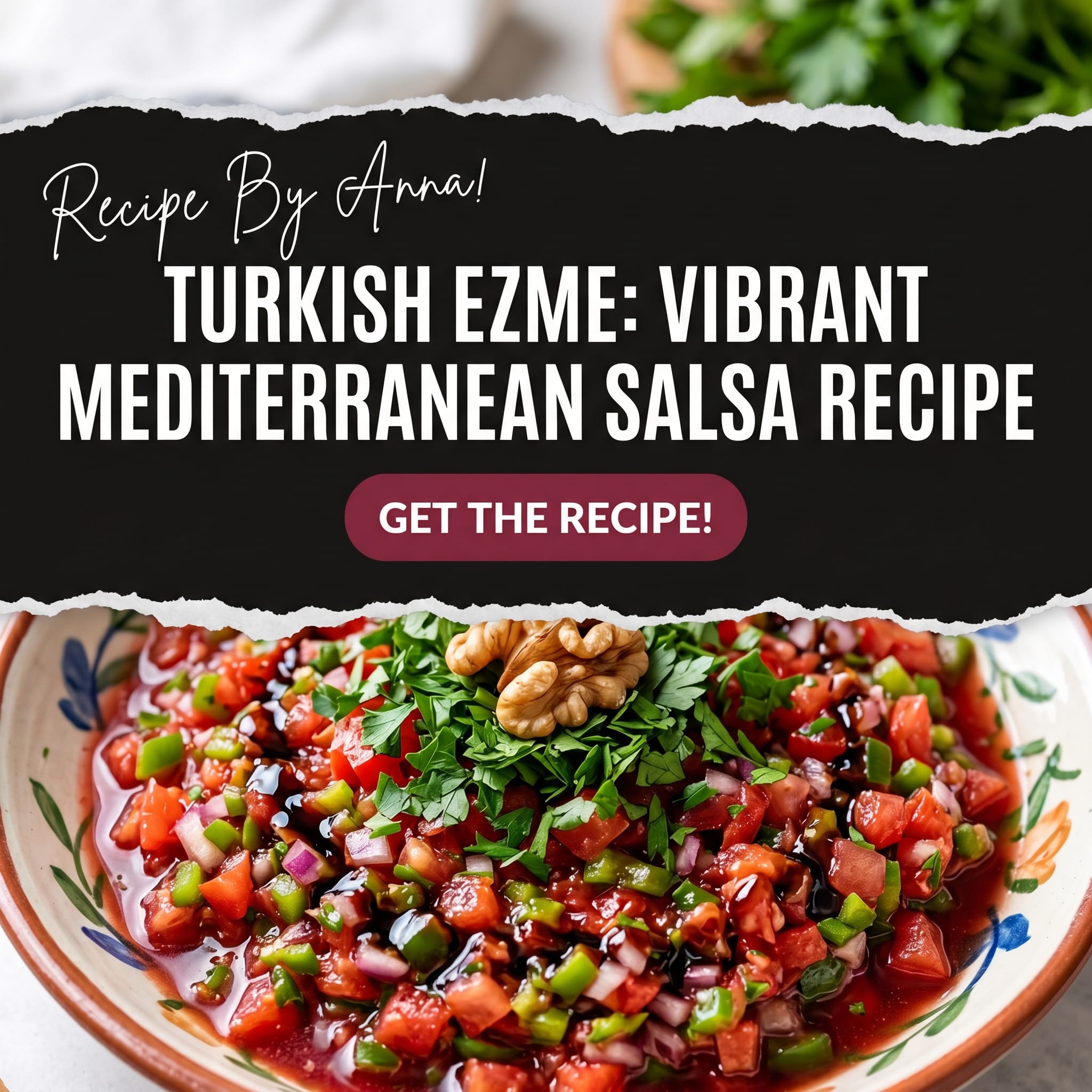
If you have ever stepped foot inside a traditional Turkish ocakbaşı (grill house), you know that the real stars of the show often arrive before the main course even hits the coals. Amidst the warm, fluffy pide bread and the smoky aroma of roasting lamb, there sits a small, vibrant dish of finely chopped vegetables shimmering with olive oil and pomegranate molasses. This, my friends, is Turkish Ezme (specifically Acılı Ezme), and it is about to become your new favorite condiment.
Think of it as the sophisticated, slightly spicy Mediterranean cousin of the Mexican Pico de Gallo. It is bold, refreshing, and possesses a complex depth of flavor that makes regular salsa look like it’s not even trying. Whether you call it a salad, a dip, or a salsa, one thing is certain: once you start scooping this up with a piece of warm bread, stopping becomes a physical impossibility.
In this guide, we are going to dive deep into the art of the authentic Turkish Ezme recipe. We will talk about the importance of the “hand-chop,” the secret ingredients that provide that signature tang, and how you can master this Mediterranean salsa in your own kitchen without needing a passport to Istanbul.
Jump to Recipe✨ Why You’ll Obsess Over This Recipe
There are a million reasons to fall in love with Ezme, but let’s narrow it down to the essentials. First and foremost, it is a flavor explosion. You get the sweetness of ripe tomatoes, the crunch of peppers, the zing of fresh parsley, and a back-of-the-throat heat that warms you up without blowing your head off.
Secondly, it is incredibly healthy. It is essentially a pile of raw, nutrient-dense vegetables dressed in heart-healthy fats. It’s vegan, gluten-free, and Paleo-friendly, making it the ultimate “safe” dish for any dinner party where guests have varying dietary needs.
Finally, it’s the ultimate “flex” dish. While it looks like it took hours of painstaking labor, it’s actually quite simple to put together. It brings an air of exotic flair to your table that screams “I know my way around a spice cabinet.” Plus, if you’re looking to get your daily steps in, the manual chopping provides a great mini-workout for your forearms!
🛒 Ingredients You’ll Need
To achieve that authentic taste, you’ll need a mix of fresh garden staples and a few specialty Turkish pantry items. Here is what you should gather:
- Fresh Tomatoes: Use the ripest, reddest tomatoes you can find. Roma or vine-ripened work best because they have a good meat-to-juice ratio.
- Green Peppers: Traditionally, Turkish sivri biber (pointed peppers) are used. If you can’t find them, green bell peppers or Anaheim peppers work beautifully.
- Red Onion: For a sharp, sweet bite.
- Fresh Parsley: Flat-leaf (Italian) parsley is non-negotiable here. It adds a fresh, herbal lift.
- Garlic: Two or three cloves, because we are among friends here and garlic breath is just a sign of a life well-lived.
- Pomegranate Molasses (Nar Ekşisi): This is the secret weapon. It is thick, syrupy, and tart. It provides a unique acidity that lemon juice alone cannot replicate.
- Isot Biber (Urfa Biber): A smoky, dark Turkish chili flake. If you can’t find it, Alep-po pepper or standard red chili flakes will do.
- Sumac: A tangy, purple spice that adds a lemony punch.
- Tomato and Pepper Paste: A tablespoon of each adds body and deepens the red color.
- Extra Virgin Olive Oil: Use the good stuff!
- Dried Mint: Just a pinch for an unexpected cooling finish.
🔪 Step-by-Step Instructions
Step 1: The Great Chop
The word “Ezme” literally translates to “mashed” or “crushed,” but we don’t want a puree. We want tiny, uniform pieces. Finely dice your tomatoes, peppers, onion, and parsley. If you are using a knife, aim for pieces about the size of a grain of rice. If you are using a food processor, use the pulse setting very carefully—one second too long and you’ll have gazpacho!
Step 2: The Great Drain
Tomatoes are naturally watery. Once chopped, place them in a fine-mesh strainer for about 10 minutes. This prevents your Ezme from turning into a soup. You want a thick, scoopable consistency.
Step 3: Create the Dressing
In a small bowl, whisk together the olive oil, pomegranate molasses, tomato paste, pepper paste, minced garlic, sumac, isot biber, dried mint, and a healthy pinch of salt. This creates a thick, flavorful emulsion.
Step 4: The Marriage
Combine your chopped vegetables in a large bowl. Pour the dressing over the top and fold everything together gently. You want every tiny piece of vegetable to be coated in that dark, spicy dressing.
Step 5: The Rest Phase
This is the hardest part: wait. Let the Ezme sit in the fridge for at least 30 minutes. This allows the juices to mingle and the dried spices to hydrate and release their oils.
🔄 Substitution Suggestions
Don’t have a Turkish grocery store around the corner? No problem! Here is how to pivot like a pro:
- No Pomegranate Molasses? Mix 1 tablespoon of balsamic glaze with a teaspoon of lemon juice. It gets you 90% of the way there.
- No Isot/Urfa Biber? Use regular red pepper flakes and a tiny drop of liquid smoke or smoked paprika to mimic that charred flavor.
- No Turkish Pepper Paste? Just double up on the tomato paste and add a pinch of cayenne pepper.
- No Fresh Mint? Fresh mint is great, but dried mint actually has a more concentrated flavor that works better in this specific Turkish appetizers recipe.
🍢 What to Pair
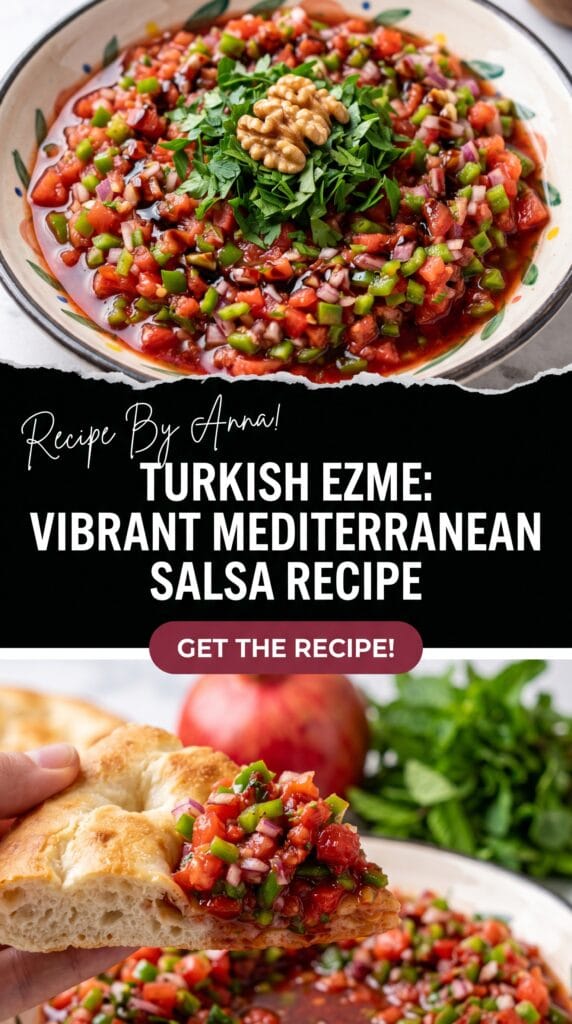
Turkish Ezme is a team player. It plays well with others. Traditionally, it is served alongside Adana Kebab or grilled chicken skewers. The acidity of the Ezme cuts right through the richness of the meat.
If you aren’t firing up the grill, try it as part of a meze platter. Place it in the center with some creamy hummus, smoky baba ganoush, and plenty of warm pita or lavaş bread. It also makes a surprisingly good topping for an omelet or a filling for a wrap. Honestly, I’ve been known to eat it with a spoon straight from the bowl—no judgment here!
🔗 Similar recipes here: Moroccan Couscous with Roasted Veggies | Spiced & Fluffy
📊 Nutritional Information
One of the best things about this Mediterranean salsa is that it is guilt-free. Since it is mostly water-based vegetables and healthy fats, it is low in calories but high in satiety.
A standard serving (about 1/2 cup) typically contains:
- Calories: 85
- Fat: 6g (mostly monounsaturated from olive oil)
- Carbohydrates: 8g
- Fiber: 2g
- Vitamin C: 40% of your daily value
It is a powerhouse of antioxidants thanks to the lycopene in the tomatoes and the polyphenols in the pomegranate molasses.
💡 Pro Tips for the Perfect Batch
1. Hand-Chopping is King: I know, I know, the food processor is tempting. But a knife cut keeps the cell walls of the vegetables intact, resulting in a crisper texture and a cleaner flavor. A food processor tends to “bruise” the vegetables, making the dish taste slightly metallic or overly acidic.
2. Peel the Tomatoes: If you want to go the extra mile, peel your tomatoes first. This creates a much smoother mouthfeel. Just score an ‘X’ on the bottom, blanch them in boiling water for 30 seconds, and the skin will slip right off.
3. Balance is Key: Taste your Ezme before serving. If it’s too tart, add a tiny pinch of sugar. If it’s too flat, add more salt or sumac. The goal is a perfect harmony of spicy, sour, and salty.
🌶️ Easy Variations to Try
While the classic Acılı Ezme recipe is hard to beat, you can certainly mix things up:
- Walnut Ezme (Gavurdağı Style): Add half a cup of finely crushed walnuts. This adds a wonderful earthy crunch and makes the dish feel more like a substantial salad.
- Extra Green: Increase the amount of parsley and add some finely chopped fresh dill for a more “herb-forward” profile.
- Sweet & Spicy: Add a finely diced roasted red pepper (from a jar is fine) for an extra layer of sweetness.
🧊 How to Store & Reheat
Ezme is best served cold or at room temperature.
Storage: Keep it in an airtight container in the refrigerator. It will stay fresh and delicious for about 2-3 days. In fact, many people think it tastes even better on day two!
Note: Do not freeze Ezme. The high water content in the vegetables will cause them to turn into mush once thawed. This is a dish that celebrates “the now.”
Reheating: Do not reheat! If it has been in the fridge, let it sit on the counter for 15 minutes before serving to let the olive oil liquefy again, as it can solidify when cold.
⚠️ Common Mistakes to Avoid
1. Using Underripe Tomatoes: If your tomatoes are pale and hard, your Ezme will be bland. If you can’t find good fresh tomatoes, you are better off waiting for another season.
2. Skipping the Salt: Salt is what draws the flavors out of the vegetables. Don’t be afraid to season generously.
3. Not Draining the Veggies: I’ve mentioned this before, but it’s the #1 mistake. Nobody wants a soggy salad. Let that excess juice drip away! (Pro tip: save that tomato juice for a Bloody Mary or a soup base).

❓ FAQ
Is Turkish Ezme very spicy?
It can be! “Acılı” means spicy. However, the beauty of making it at home is that you control the heat. You can omit the chili flakes entirely for a “Tatlı Ezme” (Sweet Ezme) that kids will love.
Can I use a blender?
Please, for the love of all things delicious, stay away from the blender. You will end up with a pink smoothie. If you must use a tool, use a food processor on the lowest pulse setting.
Where can I buy Sumac and Isot Biber?
Most Middle Eastern or Mediterranean grocers carry them. You can also find them easily on Amazon. They are worth the investment and last a long time in the pantry!
✅ Explore more meals: Family favorite recipe
🥗 Final Thoughts
Turkish Ezme is more than just a side dish; it is a celebration of fresh ingredients and ancient spice traditions. It’s the kind of recipe that turns a simple grilled dinner into a Mediterranean feast. It’s bright, it’s bold, and it’s undeniably addictive.
So, grab your sharpest knife, put on your favorite playlist, and get to chopping. Your taste buds will thank you, and your dinner guests will be begging for the recipe. Just remember to keep some extra bread on hand—you’re going to need it to wipe the plate clean! Afiyet olsun! (That’s Turkish for “Enjoy your meal!”)

Turkish Ezme | Vibrant Mediterranean Salsa Recipe
Course: AppetizersCuisine: TurkishDifficulty: Easy6
servings20
minutes120
kcalIngredients
For the Ezme
4 ripe Roma or vine-ripened tomatoes, finely diced
1 green pepper or Anaheim pepper, finely diced
1 small red onion, finely diced
¼ cup fresh flat-leaf parsley, finely chopped
2–3 garlic cloves, minced
For the Dressing
2 tablespoons extra virgin olive oil
1 tablespoon pomegranate molasses
1 tablespoon tomato paste
1 tablespoon pepper paste
1 teaspoon sumac
1 teaspoon isot biber (Urfa pepper) or red chili flakes
Pinch of dried mint
Salt to taste
Directions
- Finely dice the tomatoes, green pepper, red onion, and parsley into very small, even pieces.
- Place the chopped tomatoes into a fine-mesh strainer and let drain for about 10 minutes to remove excess liquid.
- In a small bowl, whisk together the olive oil, pomegranate molasses, tomato paste, pepper paste, minced garlic, sumac, isot biber, dried mint, and salt until fully combined.
- Transfer the drained tomatoes, peppers, onion, and parsley into a large mixing bowl.
- Pour the dressing over the vegetables and gently mix until everything is evenly coated.
- Cover the bowl and refrigerate for at least 30 minutes to allow the flavors to meld together.
- Serve chilled or at room temperature with pita bread, grilled meats, kebabs, or as part of a mezze platter.
Notes
- Drain the tomatoes well: This keeps the Ezme thick and scoopable instead of watery.
Use fresh ingredients: Ripe tomatoes and fresh parsley make a huge difference in flavor.
Pulse carefully in a food processor: Over-processing can turn the mixture into soup.
Pomegranate molasses is essential: It adds authentic sweet-tart depth you cannot replicate with lemon juice alone.
Best served fresh: Ezme tastes even better after resting for 30 minutes in the fridge.