

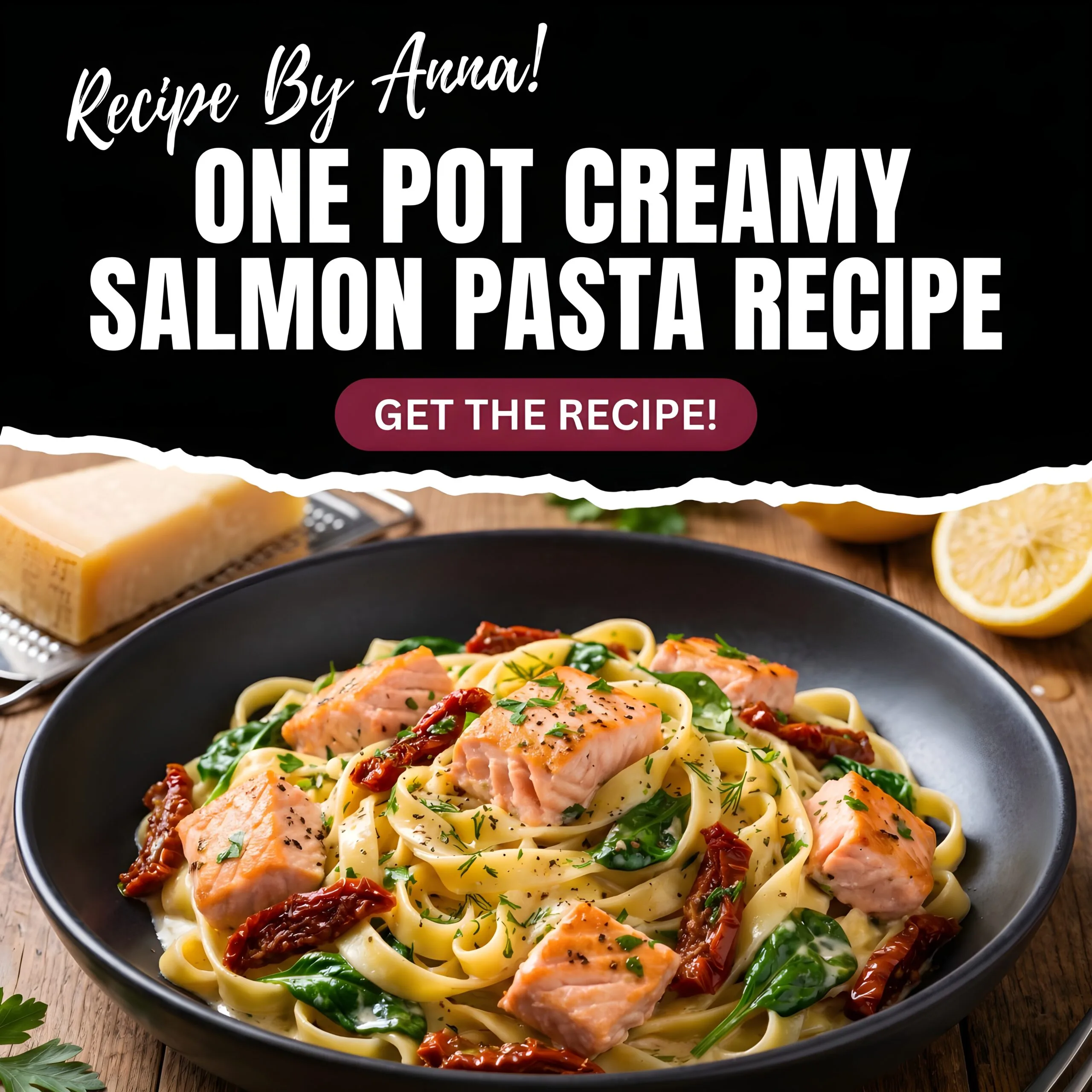
One Pot Creamy Salmon Pasta Recipe
Let’s be honest for a second. We’ve all had those evenings where we want to feel like a high-end Michelin-star chef, but our energy levels are screaming “cereal for dinner.” You want the decadence of a creamy garlic salmon pasta, but the thought of scrubbing three different pots and a colander makes you want to go on a permanent strike from the kitchen. If you have ever stood in your kitchen contemplating if a bowl of popcorn counts as a balanced meal, this recipe is your new best friend.
The one pot creamy salmon pasta is the holy grail of weeknight cooking. It is elegant enough to serve to a date (who will definitely think you spent hours over the stove) but simple enough to make while you are half-watching your favorite reality TV show. We are talking about tender chunks of flaky salmon, al dente pasta, and a sauce so velvety it should probably have its own skin-care line. All of this happens in one single pan. That’s right—one pan to rule them all and, more importantly, only one pan to wash.
In this guide, I am going to walk you through how to create a quick seafood pasta recipe that hits all the right notes: salty, creamy, citrusy, and undeniably comforting. Grab your favorite apron (the one without the flour stains, if possible) and let’s get cooking!
✨ Why You’ll Obsess Over This Recipe
There are a million pasta recipes out there, but this easy salmon dinner stands out for a few very specific reasons. First and foremost, the efficiency is unmatched. Traditionally, you’d boil the pasta in one pot, sear the salmon in a pan, and whisk a sauce in another. By cooking the pasta directly in the sauce and water mixture, the starches from the pasta are released into the liquid, creating a naturally thick and glossy sauce that clings to every strand. It is a scientific miracle that tastes like heaven.
Secondly, the flavor profile is incredibly balanced. Salmon can be quite rich, so we cut through that fat with fresh lemon zest and a hint of garlic. It’s a sophisticated dish that doesn’t feel heavy or “weigh you down” like some other cream-based pastas. Plus, it is incredibly versatile. Whether you are using fresh Atlantic salmon or a piece of wild-caught Sockeye you found on sale, the result is consistently delicious.
Finally, it’s the ultimate “flex” dish. If you invite someone over and tell them you’re making one pot creamy salmon pasta, you sound like a sophisticated adult who has their life together. They don’t need to know it took you thirty minutes and minimal effort. That’s our little secret.
🛒 Ingredients You’ll Need
To achieve the perfect balance of flavors, you will need a handful of high-quality ingredients. Don’t worry; most of these are likely already sitting in your pantry or fridge!
- Salmon Fillets: About 1 lb (450g). Remove the skin and cut them into bite-sized cubes. Fresh is best, but high-quality frozen (thawed) works too!
- Pasta: 8-10 oz of your favorite long or short shape. Linguine, fettuccine, or even penne work beautifully here.
- Garlic: 4 cloves, minced. Don’t be shy with the garlic; we want that aromatic punch.
- Shallots or Onion: One small shallot, finely diced, adds a subtle sweetness that regular onions can’t quite match.
- Chicken or Vegetable Broth: 2 cups. This provides the liquid base for the pasta to cook in.
- Heavy Cream: 1 cup. This is what makes it “creamy.” You can use half-and-half if you’re watching calories, but heavy cream is the gold standard.
- Parmesan Cheese: 1/2 cup, freshly grated. Please, for the love of all things culinary, skip the green shaker bottle.
- Fresh Spinach: Two large handfuls. It adds color and a much-needed vegetable component.
- Lemon: You’ll need the juice and the zest of half a lemon to brighten the whole dish.
- Herbs: Fresh dill or parsley for garnishing. Salmon and dill are a match made in culinary heaven.
- Pantry Staples: Olive oil, butter, salt, black pepper, and a pinch of red pepper flakes for a tiny bit of heat.
👩🍳 Step-by-Step Instructions
Step 1: Sear the Salmon
Heat a large, deep skillet or a Dutch oven over medium-high heat with a tablespoon of olive oil and a knob of butter. Season your salmon cubes with salt and pepper. Add them to the pan and sear for about 2-3 minutes per side until they have a nice golden crust but are not fully cooked through. Remove the salmon from the pan and set it aside on a plate. This keeps the salmon from becoming rubbery while the pasta cooks.
Step 2: Sauté the Aromatics
In the same pan (don’t wash it! those brown bits are flavor gold), add the shallots and garlic. Sauté for about 1-2 minutes until fragrant and translucent. If the pan looks dry, add another splash of oil.
Step 3: Simmer the Pasta
Pour in the broth and the heavy cream. Add the dry pasta directly into the liquid. Bring the mixture to a gentle boil, then reduce the heat to medium-low. Cover the pan and let it simmer. Stir occasionally to prevent the pasta from sticking to the bottom. This usually takes about 8-10 minutes depending on the pasta type. You want the liquid to be mostly absorbed and the pasta to be al dente.
Step 4: The Finishing Touches
Once the pasta is cooked, stir in the parmesan cheese, lemon zest, lemon juice, and the fresh spinach. The heat from the pasta will wilt the spinach in about 30 seconds. Add the salmon cubes back into the pan and gently toss everything together. The residual heat will finish cooking the salmon to perfection.
Step 5: Garnish and Serve
Taste and adjust the seasoning with more salt or pepper if needed. Sprinkle with fresh dill or parsley and a pinch of red pepper flakes. Serve immediately while it is piping hot and gloriously creamy!
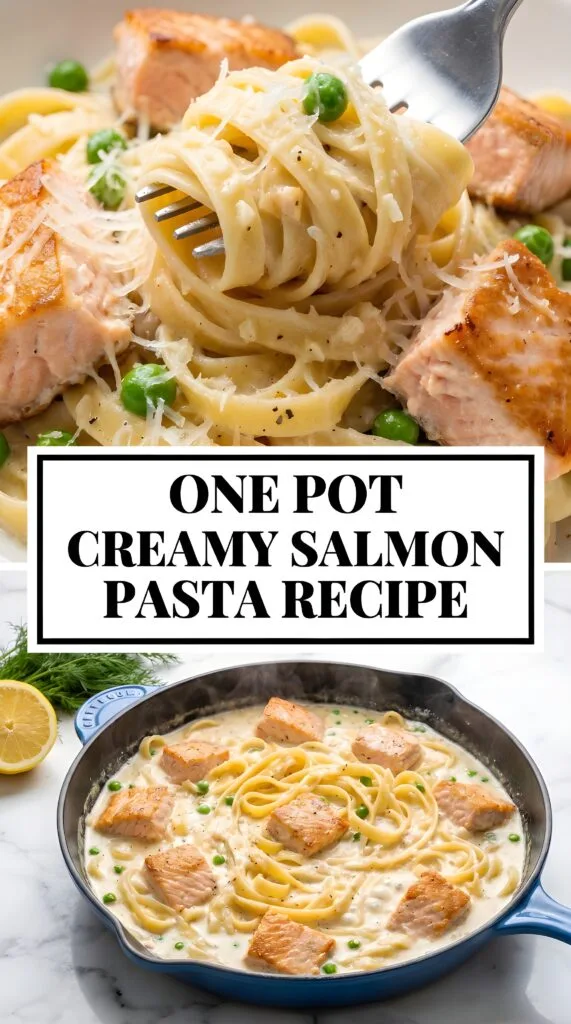
🔄 Substitution Suggestions
Don’t have everything on the list? Don’t panic! Here are some easy swaps:
- The Fish: If salmon isn’t your thing, you can use shrimp or even scallops. Just adjust the searing time accordingly.
- The Pasta: Gluten-free pasta works well here; just be mindful that it may release more starch, so you might need a splash more broth.
- The Cream: For a lighter version, use whole milk mixed with a teaspoon of cornstarch, or full-fat coconut milk for a dairy-free twist (though it will change the flavor profile).
- The Greens: Not a fan of spinach? Try kale (add it earlier so it softens) or peas.
🥗 What to Pair
While this one pot creamy salmon pasta is a complete meal on its own, a few sides can elevate the experience. A crisp, green side salad with a simple vinaigrette is perfect for cutting through the richness of the cream sauce. If you’re feeling extra indulgent, some roasted asparagus with balsamic glaze or a thick slice of garlic bread is never a bad idea. For wine lovers, a chilled glass of Sauvignon Blanc or a light Pinot Grigio complements the acidity of the lemon and the fattiness of the salmon perfectly.
🔗 You may also like: Authentic Paella Recipe
📊 Nutritional Information
Note: These are approximate values per serving based on 4 servings.
- Calories: 580 kcal
- Protein: 32g
- Fat: 28g
- Carbohydrates: 45g
- Fiber: 2g
- Omega-3s: High (thanks to the salmon!)
💡 Pro Tips for the Perfect Batch
To ensure your easy salmon dinner turns out like a gourmet masterpiece every single time, keep these tips in mind:
- Don’t Overcook the Salmon: Salmon is delicate. By searing it first and adding it back at the very end, you ensure it stays moist and flaky rather than dry and chalky.
- Watch the Liquid: Pasta types vary in how much liquid they absorb. If the pan looks too dry before the pasta is cooked, add a splash more broth. If it looks too liquidy, let it simmer uncovered for the last two minutes.
- Use Fresh Parmesan: Pre-shredded cheese is coated in potato starch to prevent clumping, which can make your sauce gritty. Freshly grated cheese melts into a smooth, luxurious sauce.
- Zest Before You Juice: Always zest your lemon before you cut it in half to juice it. It’s much easier on your knuckles!
🌶️ Easy Variations to Try
Want to change things up? Try these variations:
- Spicy Cajun Salmon: Season the salmon with Cajun spices instead of just salt and pepper for a Southern kick.
- Sun-Dried Tomato Version: Add 1/4 cup of chopped sun-dried tomatoes when you sauté the garlic for an extra layer of umami.
- Pesto Cream: Stir in 2 tablespoons of basil pesto at the end for a vibrant green, herbaceous flavor.
🥡 How to Store & Reheat
If you happen to have leftovers (a rare occurrence, trust me), store them in an airtight container in the refrigerator for up to 2 days. Because of the salmon, I wouldn’t recommend keeping it much longer than that.
To reheat: Cream sauces tend to thicken significantly in the fridge. To bring back that silky texture, add a splash of water or milk to the pasta before microwaving or heating on the stove. Heat gently—if you blast it on high, the cream might separate and the salmon will overcook.
⚠️ Common Mistakes to Avoid
Even the best cooks can stumble. Avoid these pitfalls:
- Using “Low-Fat” Cream: I know, we all want to be healthy, but low-fat dairy is more likely to curdle when boiled with acidic lemon juice. Stick to heavy cream or half-and-half for the best stability.
- Crowding the Pan: When searing the salmon, give the pieces space. If they are too close together, they will steam instead of sear, and you’ll miss out on that delicious crust.
- Not Stirring Enough: In a one-pot dish, the pasta loves to stick to the bottom. Give it a good stir every few minutes.
❓ FAQ
Can I use frozen salmon?
Yes! Just make sure to thaw it completely and pat it dry with paper towels before searing to ensure you get a good crust.
Can I make this dairy-free?
You can substitute the heavy cream with full-fat canned coconut milk and use a vegan parmesan alternative. The flavor will be different but still very delicious.
What is the best pasta shape for this?
Long, flat pastas like linguine or fettuccine are classic for creamy sauces, but short shapes like penne or fusilli are great for “grabbing” the sauce and spinach.
🥘 Final Thoughts
This one pot creamy salmon pasta is more than just a recipe; it’s a lifestyle choice. It’s a choice to eat well without sacrificing your entire evening to the kitchen gods. It’s proof that sophisticated flavors don’t have to be complicated. Whether you are cooking for a family of four or just treating yourself after a long day, this dish provides that “hug in a bowl” feeling that we all need sometimes.
So, the next time you find yourself staring at a piece of salmon in the fridge and wondering what to do, remember this quick seafood pasta recipe. It’s fast, it’s fancy, and it leaves you with more time to relax and less time at the kitchen sink. Happy cooking, and may your sauce always be creamy and your salmon always be perfectly flaky!
One-Pot Creamy Salmon Pasta
Tender salmon, pasta, spinach, garlic, Parmesan, and lemon come together in one pan for a glossy, restaurant-style seafood dinner. The pasta cooks directly in the broth and cream, naturally thickening the sauce while keeping cleanup to a minimum.
Why This Recipe Works
Searing the salmon first develops a golden exterior while keeping the center slightly underdone. Removing it before the pasta cooks prevents the delicate fish from becoming dry, chalky, or rubbery. It returns at the end, when the residual heat finishes it gently.
Cooking the dry pasta directly in broth and cream releases its starch into the liquid. That starch naturally thickens and emulsifies the sauce, helping it cling to the pasta without requiring a separate pot or flour-based thickener.
Ingredients
Instructions
Remove the salmon skin if necessary and cut the fish into bite-sized cubes. Pat the pieces dry with paper towels, then season with salt and black pepper.
Heat the olive oil and butter in a large, deep skillet or Dutch oven over medium-high heat. Add the salmon in one uncrowded layer and sear for 2 to 3 minutes per side, until golden outside but not completely cooked through.
Transfer the salmon gently to a clean plate and set aside. Leave the browned bits and remaining fat in the pan because they will flavor the sauce.
Reduce the heat to medium. Add the shallot and cook for about 1 minute. Add the garlic and cook for another 30 to 60 seconds, stirring constantly, until fragrant but not browned.
Pour in the broth and heavy cream. Scrape the bottom of the pan with a wooden spoon to release the flavorful browned bits. Bring the mixture to a gentle simmer rather than a hard boil.
Add the dry pasta directly to the pan, arranging it so it is mostly submerged. Cover and simmer over medium-low heat for about 8 to 12 minutes, stirring every 2 minutes to prevent sticking. Use the package time as a guide.
If the pan becomes dry before the pasta is tender, add warm broth ¼ cup at a time. If excess liquid remains when the pasta is al dente, simmer uncovered for 1 to 2 minutes.
Lower the heat. Stir in the freshly grated Parmesan until melted, then add the spinach, lemon zest, and red pepper flakes. Stir until the spinach wilts and the sauce looks smooth and glossy.
Remove the pan from direct heat before stirring in the lemon juice. Return the salmon and any juices from the plate, then fold gently through the pasta. Let stand for 1 to 2 minutes so the residual heat finishes cooking the fish.
Taste and adjust with salt, pepper, lemon, or Parmesan. Finish with fresh dill or parsley and serve immediately while the sauce is creamy and hot.
Key Technique Notes
Sear it only until golden outside. The salmon finishes cooking when returned to the hot pasta, keeping the center moist and flaky.
Leave space between the salmon cubes. Crowding traps steam, preventing the dry surface contact needed for a golden crust.
One-pot pasta releases starch directly into the sauce and can stick easily. Stir every couple of minutes, especially around the bottom and corners.
Pasta shapes and brands absorb different amounts. Add broth gradually if needed rather than starting with too much and producing a thin sauce.
Fresh Parmesan melts more smoothly. Pre-shredded cheese often contains anti-caking agents that can create a grainy sauce.
Stirring acidic lemon juice into violently boiling dairy can encourage curdling. Remove the pan from direct heat first and add the juice after the cheese has melted.
Substitution Suggestions
Replace salmon with peeled shrimp. Sear for about 1 minute per side, remove from the pan, and return only during the final minute so the shrimp remain tender.
Pat dry thoroughly and sear in an uncrowded pan. Remove after browning and arrange over the finished pasta rather than stirring aggressively.
Use your preferred gluten-free shape, but monitor it closely. Some varieties release more starch or soften faster and may require additional broth.
Replace heavy cream with half-and-half. Keep the heat gentle and add the lemon juice off the heat because lower-fat dairy is more likely to separate.
Use full-fat coconut milk, dairy-free butter, and vegan Parmesan. The result will have a subtle coconut flavor but will remain creamy.
Replace spinach with peas or finely chopped kale. Add kale several minutes earlier so it has enough time to become tender.
Easy Flavor Variations
Season the salmon with Cajun seasoning before searing. Reduce the added salt initially because many Cajun blends are already heavily seasoned.
Add ¼ cup chopped, drained sun-dried tomatoes with the shallot. Their concentrated sweetness and acidity complement the rich salmon and cream.
Stir 2 tablespoons of basil pesto into the finished sauce with the Parmesan. Reduce the salt until after tasting because pesto and Parmesan are both salty.
Add fresh thyme with the shallot and finish with dill, parsley, chives, and extra lemon zest for a strongly herbaceous sauce.
Add chopped asparagus during the final 4 minutes of pasta cooking and frozen peas during the final 2 minutes.
Omit the searing step and fold torn smoked salmon into the finished pasta off the heat. Reduce salt because smoked salmon is already highly seasoned.
What to Serve Alongside
Nutrition
| Nutrient | Estimated Amount Per Serving |
|---|---|
| Serving Size | ¼ of the recipe |
| Calories | Approximately 580 kcal |
| Protein | Approximately 32 g |
| Carbohydrates | Approximately 45 g |
| Fat | Approximately 28 g |
| Fiber | Approximately 2 g |
Values are estimates for one-fourth of the recipe and will vary with the pasta quantity, salmon type, cream, Parmesan, and cooking fat. Side dishes, additional cheese, and bread are not included.
Frequently Asked Questions
Yes. Thaw it completely, remove excess moisture with paper towels, and cut it into even pieces before seasoning and searing.
Linguine and fettuccine suit the creamy sauce, while penne and fusilli are easier to stir in a one-pot recipe and hold the sauce well.
Use full-fat coconut milk, dairy-free butter, and a vegan Parmesan alternative. Expect a slightly different but still creamy flavor.
Pasta continues absorbing sauce as it sits. Stir in warm broth, milk, or cream 1 tablespoon at a time until the desired consistency returns.
Cool leftovers promptly and store them in an airtight container in the refrigerator for up to 2 days.
Add a splash of milk, cream, broth, or water because the pasta will absorb sauce and become considerably thicker while refrigerated.
Reheat gently in a covered skillet over low heat, stirring occasionally. Avoid boiling, which can split the sauce and overcook the salmon.
Microwave at reduced power in 30-second intervals, stirring between intervals and adding more liquid if necessary.
Freezing is not recommended. Cream sauce can separate after thawing, and reheated salmon may become dry or chalky.
The salmon was likely cooked completely during the first sear. Brown it briefly, remove it while underdone, and return it only after the pasta and sauce are finished.
Pat the fish dry, preheat the pan, and leave space between the pieces. Wet or crowded salmon steams instead of searing.
Stir every 2 minutes and scrape along the bottom. Ensure the pasta remains surrounded by enough liquid while it cooks.
Add warm broth ¼ cup at a time, cover, and continue simmering until al dente. Different pasta shapes require different quantities of liquid and cooking time.
Simmer uncovered for 1 to 2 minutes before adding the salmon. The sauce will also thicken slightly as it cools and the Parmesan incorporates.
The heat may be too high or pre-shredded cheese may have been used. Lower the heat and add freshly grated Parmesan gradually.
Avoid hard boiling and add lemon juice after removing the pan from direct heat. Heavy cream is more stable than low-fat dairy.
Adjust with salt, lemon zest, black pepper, Parmesan, fresh herbs, or red pepper flakes immediately before serving.



Would like to try your recipe but how do I print it? Thanks
Hi there, i just added.