
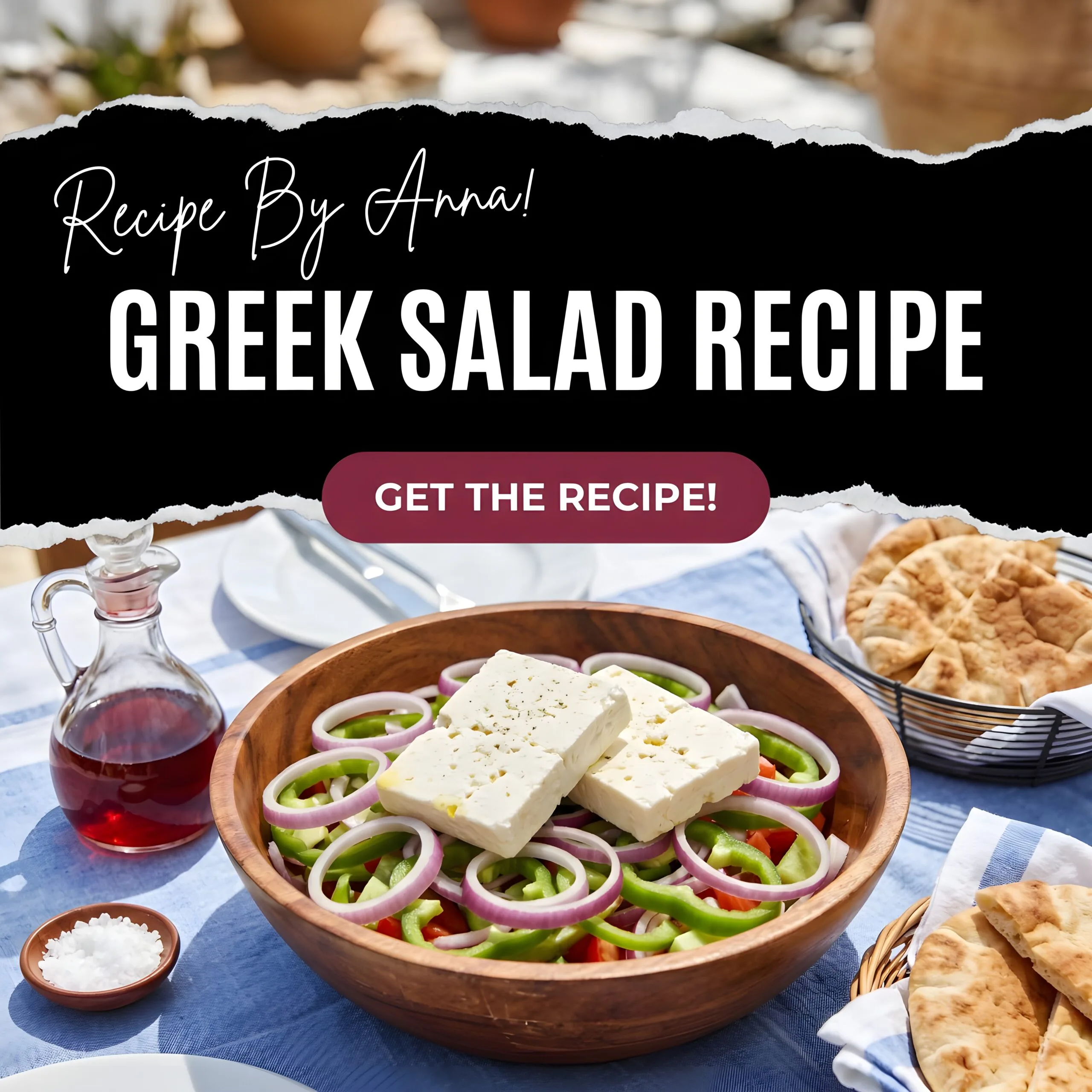
Greek Salad | Fresh, Tangy & Easy 10-Minute Recipe
There are some days when the kitchen feels more like a sauna than a place of culinary creation. You know the ones—where the mere thought of turning on the stove makes you want to move to the Arctic. On those days, there is one dish that reigns supreme, a dish so vibrant, crunchy, and satisfying that it practically transports you to a white-washed balcony overlooking the Aegean Sea. I am talking, of course, about the classic Greek salad.
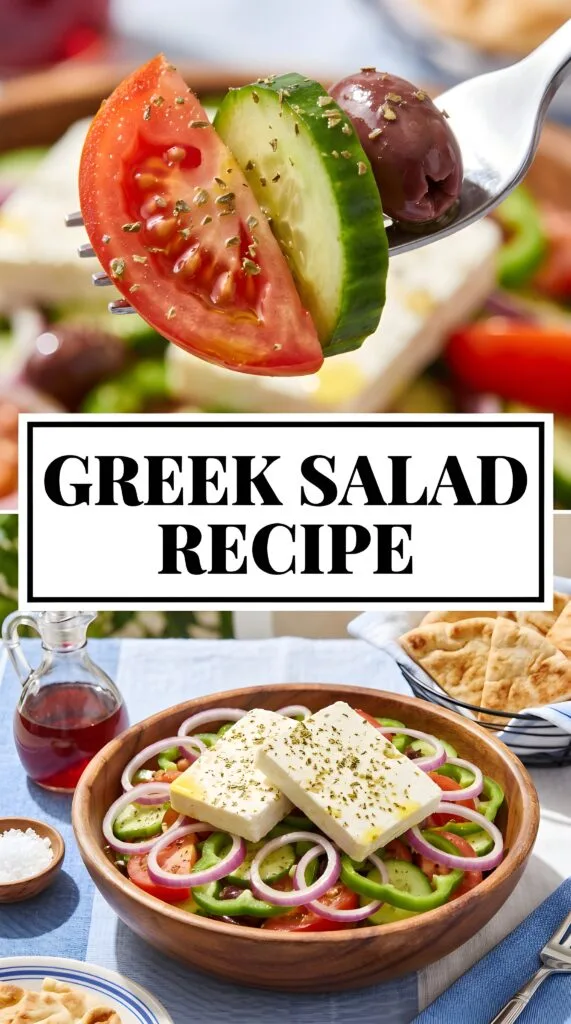
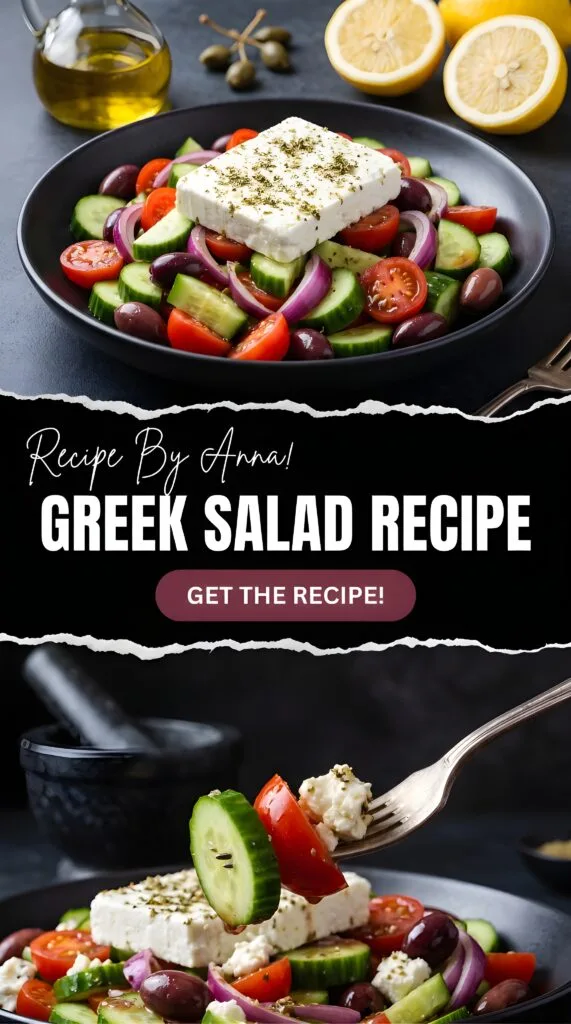
In Greece, this dish is known as Horiatiki, which roughly translates to “village salad.” It is the epitome of Mediterranean simplicity. There is no lettuce taking up space, no complicated dressings that require a degree in chemistry, and absolutely no soggy croutons. Instead, you get a bowl filled with sun-ripened tomatoes, crisp cucumbers, sharp red onions, salty Kalamata olives, and a glorious block of feta cheese that is large enough to have its own zip code. It is fresh, it is tangy, and it is ready in about the same amount of time it takes to find your car keys.
Whether you are looking for a light lunch, a side dish for your next backyard BBQ, or just a way to use up those garden vegetables before they stage a rebellion, this easy Greek salad dressing and vegetable combo is your new best friend. Let’s dive into why this healthy Mediterranean salad is a staple you need in your life.
🥗 Why You’ll Obsess Over This Recipe
If you are anything like me, your love language is probably “minimal effort, maximum flavor.” This traditional Greek salad fits that description perfectly. Here is why you are going to be making this on repeat:
- No-Cook Goodness: In a world full of air fryers and pressure cookers, there is something deeply therapeutic about just chopping stuff. No heat required, meaning your kitchen stays cool and your stress levels stay low.
- Flavor Explosion: You get the sweetness of the tomatoes, the cooling crunch of the cucumbers, the bite of the onions, and the creamy, salty punch of the feta. It hits every single taste bud.
- It’s Fast: We are talking 10 minutes from cutting board to table. It is the ultimate “I’m too tired to cook” solution that is actually good for you.
- Naturally Healthy: Packed with antioxidants, healthy fats from olive oil, and plenty of fiber, this is food that actually loves you back.
The beauty of the Horiatiki recipe is that it relies on the quality of the ingredients rather than the complexity of the technique. It is honest food. It doesn’t try to be fancy; it just is.
🍅 Ingredients You’ll Need
To get that authentic flavor, you want to use the best produce you can find. Since there are so few ingredients, each one has a big job to do. Here is your shopping list:
- Tomatoes: Use 3-4 medium, ripe vine tomatoes or a handful of cherry tomatoes. They should be juicy and redder than a shy person’s face at a karaoke bar.
- Cucumber: One large English cucumber or two Persian cucumbers. These have thinner skins and fewer seeds, providing that essential crunch.
- Red Onion: Half a medium onion, sliced into thin half-moons. If you find raw onion too sharp, I’ll share a trick to mellow them out in the Pro Tips section!
- Green Bell Pepper: Half a pepper, sliced into rings or bite-sized pieces. It adds a nice earthy bitterness that balances the sweet tomatoes.
- Kalamata Olives: About 1/2 cup. Leave them whole (with pits if you’re being extra traditional) for the best flavor.
- Feta Cheese: One solid block (about 200g). Please, for the love of all things delicious, do not buy the pre-crumbled stuff. It’s often dry and coated in anti-caking agents. The block is where the magic happens.
- Extra Virgin Olive Oil: The best quality you can afford. This is the base of your dressing.
- Red Wine Vinegar: For that essential tang.
- Dried Oregano: The signature herb of the Mediterranean.
- Sea Salt and Black Pepper: To bring all the flavors home.
🔪 Step-by-Step Instructions
Ready to channel your inner Greek chef? Follow these simple steps to salad perfection:
- Prep the Veggies: Cut your tomatoes into irregular wedges. Slice the cucumber into thick half-moons. Slice the red onion into thin slivers and the green pepper into bite-sized pieces. Toss them all into a large bowl.
- Add the Olives: Scatter the Kalamata olives over the vegetables. Don’t be shy; olives are the little salty gems of this dish.
- The Quick Dressing: In a small jar or bowl, whisk together 4 tablespoons of extra virgin olive oil and 1 tablespoon of red wine vinegar. Add a pinch of salt (remember, feta and olives are already salty!) and some cracked black pepper.
- The Tossing: Drizzle the dressing over the vegetables and give them a gentle toss. You want everything lightly coated but not swimming.
- The Feta Finale: Traditionally, the feta is placed right on top as one large slab, or broken into large chunks. Don’t crumble it into tiny dust! Sprinkle a generous amount of dried oregano over the cheese and the salad.
- Serve: Bring it to the table immediately while the vegetables are still cold and crisp.
🔄 Substitution Suggestions
Don’t have everything on the list? Don’t panic. While a traditional Greek salad has specific rules, your kitchen is your kingdom.
- The Vinegar: If you don’t have red wine vinegar, lemon juice is a fantastic substitute. It provides a brighter, more citrusy zing.
- The Olives: If Kalamatas aren’t your thing, you can use black olives or even capers for that salty hit.
- The Cheese: For a vegan version, use a high-quality almond or coconut-based vegan feta. Alternatively, if you find feta too strong, a mild goat cheese can work in a pinch, though it won’t be “Greek” anymore!
- The Greens: While traditionalists will gasp, if you really miss the leaves, you can serve this mixture over a bed of Romaine lettuce. Just call it a “Greek-inspired” salad to avoid the culinary police.
🍗 What to Pair
This salad is a powerhouse on its own, but it also plays very well with others. Here are some pairing ideas to turn it into a full feast:
- Grilled Protein: Serve it alongside grilled chicken skewers (Souvlaki), lemon-herb lamb chops, or a nice piece of grilled sea bass.
- Warm Pita Bread: You’ll want something to soak up the leftover “juice” (the mixture of olive oil, vinegar, and tomato water) at the bottom of the bowl. Trust me, that juice is liquid gold.
- Hummus and Tzatziki: Create a full Mediterranean platter with some creamy dips and crunchy carrot sticks.
- Roasted Potatoes: Lemon and garlic roasted potatoes are the perfect warm companion to this cold, crisp salad.
🔥 Don’t miss this recipe: 8+ Cottage Cheese Salads I’m Obsessed With!
📊 Nutritional Information
Eating healthy shouldn’t feel like a chore, and this salad proves it. Here is a general breakdown of what you are getting in a standard serving:
- Calories: Approximately 250-300 per serving (depending on how much feta and oil you use).
- Healthy Fats: High in monounsaturated fats from the olive oil, which are great for heart health.
- Vitamins: A massive dose of Vitamin C from the peppers and tomatoes, plus Vitamin K from the cucumbers.
- Fiber: Plenty of roughage to keep your digestion happy.
- Low Carb: This recipe is naturally keto-friendly and low in sugar.
💡 Pro Tips for the Perfect Batch
Want to take your salad from “pretty good” to “I need this recipe immediately”? Follow these pro tips:
- Room Temp Tomatoes: Never keep your tomatoes in the fridge. Cold kills the flavor and makes the texture mealy. For the best salad, use room-temperature tomatoes.
- Mellow the Onion: If you find raw red onion too aggressive, soak the slices in a bowl of cold water for 10 minutes before adding them to the salad. This removes the “burn” while keeping the crunch.
- Quality Oil: Since the dressing is basically just oil and vinegar, use the good stuff. Look for “Cold Pressed Extra Virgin Olive Oil.” It should smell like fresh grass and have a slight peppery finish.
- The “Oregano Rub”: When adding the dried oregano, rub it between your palms over the bowl. This friction releases the essential oils and makes the herb much more fragrant.
🌈 Easy Variations to Try
Once you’ve mastered the easy Greek salad dressing and the basic components, you can start experimenting. Here are some fun twists:
- The Protein Boost: Add a can of rinsed chickpeas or some grilled shrimp to make it a more filling main course.
- The Summer Twist: Add cubes of cold watermelon. The combination of sweet melon and salty feta is life-changing.
- The Grain Bowl: Mix the salad with cooked quinoa or farro for a hearty, meal-prep-friendly version.
- The Avocado Addition: While not traditional, a few slices of avocado add a creamy richness that is hard to hate.
🧊 How to Store & Reheat
Let’s be honest: Greek salad is best eaten the moment it’s made. Once the salt hits the tomatoes and cucumbers, they start to release their juices, which can make the salad a bit watery over time.
Storage: If you have leftovers, store them in an airtight container in the fridge for up to 24 hours. The onions will get stronger and the veggies softer, but it will still taste delicious.
Reheating: Do not reheat! This is a cold salad. If you have leftovers, just give them a quick stir to redistribute the dressing and enjoy them chilled.
Tip for Prep: If you want to make this ahead of time for a party, chop all the veggies and keep them in a bowl, but don’t add the salt, dressing, or feta until you are ready to serve.
❌ Common Mistakes to Avoid
Don’t let these common pitfalls ruin your Mediterranean masterpiece:
- Using Lettuce: I’ve mentioned it before, but it bears repeating. Traditional Horiatiki does not contain lettuce. Adding it dilutes the flavor and changes the texture.
- Over-mixing: If you toss the salad too vigorously after adding the feta, you’ll end up with a cloudy, mushy mess. Be gentle.
- Too Much Salt: Between the feta and the olives, there is already a lot of sodium. Always taste before adding extra salt to the dressing.
- Peeled Cucumbers: Leave the skin on! It provides color, nutrients, and essential structure to the salad.
❓ FAQ
Can I use dried herbs other than oregano?
While oregano is the classic choice, a little dried thyme or even some fresh mint can be a lovely addition. However, avoid heavy spices like cumin or paprika, as they will overpower the fresh vegetables.
What is the best feta cheese to use?
Look for Greek feta made from sheep’s milk (or a blend of sheep and goat milk). It is creamier and more flavorful than the cow’s milk versions often found in standard grocery stores.
Should I de-seed the tomatoes?
No! The “guts” of the tomato are where a lot of the flavor and juice live. That juice mixes with the olive oil to create the best part of the salad.
✨ Final Thoughts
The Greek salad is a testament to the idea that you don’t need expensive ingredients or hours of time to create something truly spectacular. It’s a celebration of summer, a tribute to simple ingredients, and a guaranteed crowd-pleaser. Whether you’re eating it on a Tuesday night or serving it at a big family gathering, it always brings a little bit of sunshine to the table.
So, go grab the best tomatoes you can find, don’t be stingy with the olive oil, and remember: the bigger the block of feta, the happier the heart. Kali Orexi (Happy Eating)!