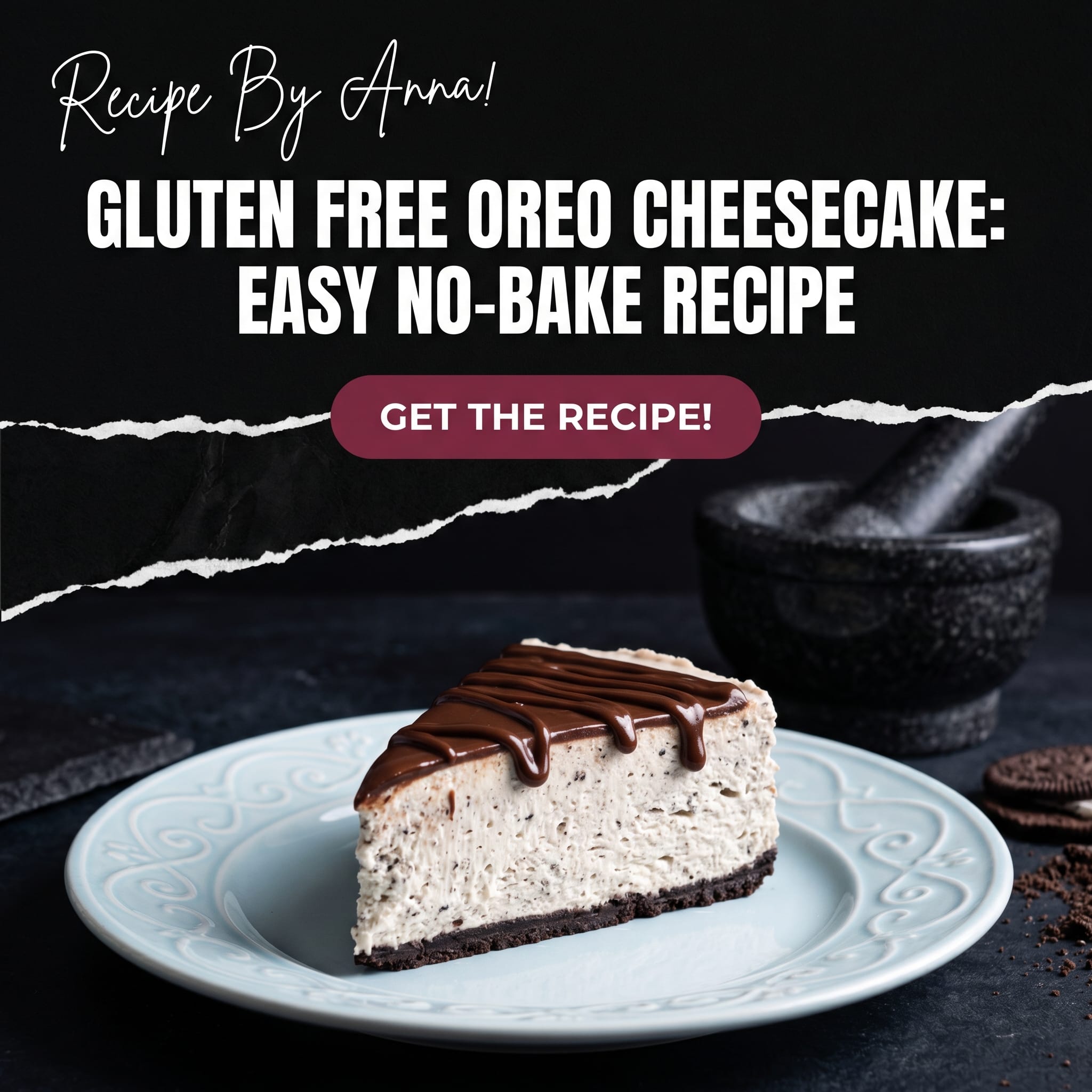
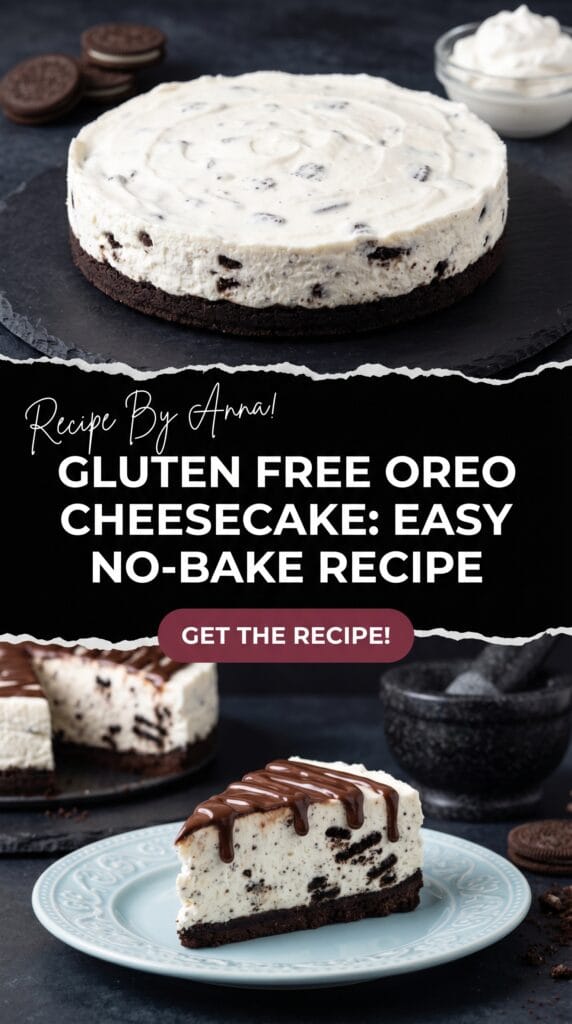
Gluten Free Oreo Cheesecake | Easy No-Bake Recipe
Oh, cheesecake. Just the word alone conjures up images of creamy indulgence, right? Now, imagine that classic, velvety texture, combined with the iconic crunch of everyone’s favorite sandwich cookie. Yes, we’re talking about Oreo cheesecake! But wait, there’s a twist that makes it even better for many of us: it’s gluten-free Oreo cheesecake!
For too long, those of us navigating the gluten-free world have had to watch from the sidelines, wistfully gazing at dairy cases filled with gluten-laden dessert dreams. But not anymore! Thanks to some culinary wizardry (and readily available gluten-free Oreos), we can now dive headfirst into a slice of pure, unadulterated bliss. This recipe isn’t just a gluten-free alternative; it’s a showstopper in its own right, delivering all the rich flavor and satisfying texture you’d expect from a gourmet dessert.
Forget dry, crumbly, or flavorless gluten-free treats. This homemade gluten-free cheesecake is so good, your gluten-loving friends and family won’t even realize it’s missing anything. It’s the perfect blend of sweet, tangy, and crunchy, making it an ideal candidate for your next dinner party, holiday gathering, or simply a Tuesday evening treat because, let’s be real, you deserve it!
🤩 Why You’ll Obsess Over This Recipe
Prepare yourself, because this isn’t just any recipe; it’s a life-changer (at least for your dessert cravings!). Here’s why this gluten-free Oreo cheesecake will quickly become your new favorite:
- Unbelievable Flavor: We’re talking rich, creamy cheesecake swirled with crushed gluten-free Oreos, all sitting atop a crunchy Oreo crust. It’s a flavor explosion!
- Perfect Texture: That signature smooth, dense cheesecake filling, perfectly contrasted with the slight chew and crunch of the cookie pieces.
- Surprisingly Easy: Don’t let the elegant appearance fool you. While it requires a bit of chilling time, the active prep is straightforward, making it an accessible recipe even for novice bakers.
- Dietary Friendly: The star of the show! It’s completely gluten-free, allowing everyone to enjoy this classic dessert without worry.
- Crowd-Pleaser: Seriously, who doesn’t love Oreos and cheesecake? This dessert is guaranteed to disappear fast at any gathering.
🛒 Ingredients You’ll Need
Gather your ingredients, make sure your cream cheese is at room temperature (this is crucial!), and let’s get ready to make some magic!
For the Gluten-Free Oreo Crust:
- 24 Gluten-Free Oreo Cookies: (about 2 ½ cups crushed) – Yes, they exist, and they are glorious!
- 6 tablespoons Unsalted Butter: Melted.
- Pinch of Salt: Just a tiny bit to balance the sweetness.
For the Cheesecake Filling:
- 3 (8-ounce) packages Cream Cheese: Full-fat, softened to room temperature. This is non-negotiable for a smooth cheesecake!
- 1 cup Granulated Sugar: For that perfect sweetness.
- 1 teaspoon Vanilla Extract: Pure vanilla, please!
- 1/4 cup Sour Cream: Or full-fat plain Greek yogurt, also at room temperature. Adds a lovely tang and extra creaminess.
- 3 Large Eggs: Room temperature.
- 1 cup Gluten-Free Oreo Cookie Pieces: (about 12-15 cookies), roughly chopped for mixing into the filling.
For the Topping (Optional, but highly recommended!):
- 1/2 cup Heavy Cream: Cold.
- 2 tablespoons Powdered Sugar: For sweetness.
- 1/2 teaspoon Vanilla Extract: For flavor.
- Extra Gluten-Free Oreo Cookie Crumbles: For garnish.
👩🍳 Step-by-Step Instructions
Making a show-stopping homemade gluten-free cheesecake might seem intimidating, but I promise you, with these steps, you’ll be a pro in no time!
Step 1: Prepare the Crust
- Preheat your oven to 325°F (160°C).
- Grease a 9-inch springform pan. If you’re using a water bath (highly recommended!), wrap the outside of the pan tightly with two layers of heavy-duty aluminum foil to prevent water from seeping in.
- In a food processor, pulse the 24 gluten-free Oreo cookies until they resemble fine crumbs. Alternatively, place them in a Ziploc bag and crush them with a rolling pin (a great stress reliever!).
- Transfer the crumbs to a medium bowl, add the melted butter and a pinch of salt, and mix until well combined.
- Press the mixture firmly and evenly into the bottom of the prepared springform pan. You can use the back of a spoon or the bottom of a glass.
- Bake for 8-10 minutes, then remove from the oven and let cool slightly while you prepare the filling.
Step 2: Make the Cheesecake Filling
- In a large bowl, using an electric mixer (stand mixer or hand mixer) on medium speed, beat the softened cream cheese until smooth and creamy, about 2-3 minutes. Make sure there are no lumps!
- Gradually add the granulated sugar, beating until just combined and smooth. Scrape down the sides of the bowl as needed.
- Beat in the vanilla extract and sour cream until just incorporated.
- Add the eggs one at a time, beating on low speed only until each egg is just combined. Do not overmix! Overmixing incorporates too much air, which can lead to cracks.
- Gently fold in the roughly chopped gluten-free Oreo cookie pieces with a spatula.
Step 3: Bake the Cheesecake
- Pour the cheesecake filling over the cooled crust in the springform pan.
- For the Water Bath: Place the foil-wrapped springform pan into a larger roasting pan. Carefully pour hot water into the roasting pan until it comes about halfway up the sides of the springform pan.
- Carefully transfer the roasting pan with the cheesecake to the preheated oven.
- Bake for 60-75 minutes, or until the edges are set but the center still has a slight wobble when gently shaken.
- Turn off the oven, crack the door open slightly, and leave the cheesecake inside for another hour. This slow cooling helps prevent cracks.
- Remove the cheesecake from the oven and the water bath (if used). Let it cool completely on a wire rack.
Step 4: Chill and Serve
- Once completely cool, cover the cheesecake loosely with plastic wrap and refrigerate for at least 6 hours, or preferably overnight. Chilling is essential for firming up the cheesecake and developing its flavor.
- When ready to serve, carefully run a thin knife around the edge of the pan before releasing the springform sides.
- Optional Topping: In a cold bowl, whip the heavy cream, powdered sugar, and vanilla extract until stiff peaks form. Pipe or spread over the chilled cheesecake and garnish with extra Oreo crumbles.
🔁 Substitution Suggestions
Life happens, and sometimes we need to adapt! Here are a few ways you can tweak this easy gluten-free dessert recipe:
- Dairy-Free Cream Cheese: For a dairy-free version, you can try using dairy-free cream cheese alternatives. Just ensure they are full-fat and intended for baking, as some can have a higher water content.
- Other Gluten-Free Cookies: Not an Oreo fan (gasp!)? You can use other gluten-free chocolate cookies, graham crackers, or even shortbread for the crust and mix-ins.
- Sweetener Alternatives: While I haven’t personally tested it, some readers have had success using granulated sugar substitutes in cheesecake. Just be aware of potential texture differences.
- Butter Substitute: For a dairy-free crust, use a good quality dairy-free butter alternative.
🥂 What to Pair
This gluten-free Oreo cheesecake is a star on its own, but a good pairing can elevate the experience! Think about:
- Beverages: A strong cup of coffee or espresso, a cold glass of milk (dairy or non-dairy), or even a dessert wine like a late-harvest Riesling or a ruby port.
- Extra Toppings: A drizzle of chocolate fudge sauce, fresh berries (strawberries or raspberries cut through the richness beautifully), or even a sprinkle of sea salt flakes for a sophisticated twist.
🔥 Don’t miss this recipe: Tiramisu Chia Pudding with Greek Yogurt
📊 Nutritional Information
While I’m not a registered nutritionist, I can tell you this: this homemade gluten-free cheesecake is definitely a treat! It’s rich, decadent, and full of flavor. Like all good things in life, it’s best enjoyed in moderation. Expect a slice to be a hearty serving of calories, fats, and sugars. For precise nutritional values, you would need to calculate them based on the specific brands and quantities of ingredients you use.
💡 Pro Tips for the Perfect Batch
Want to ensure your gluten-free Oreo cheesecake comes out flawlessly? Follow these insider tips:
- Room Temperature Ingredients are Key: This is probably the most important tip! Cold cream cheese or eggs will lead to a lumpy batter and overmixing. Plan ahead!
- Don’t Overmix: Once the cream cheese is smooth, beat just enough to combine ingredients. Overmixing incorporates too much air, which expands during baking and then collapses, causing cracks.
- The Water Bath is Your Friend: It creates a steamy, even baking environment that prevents the cheesecake from drying out and cracking. Don’t skip it if you want a perfect, crack-free top!
- Slow Cooling Process: The transition from hot oven to cold kitchen is a major cause of cracks. The hour of cooling in the turned-off oven makes a huge difference.
- Chill, Chill, Chill: Seriously, resist the urge to cut into it early! A minimum of 6 hours, preferably overnight, in the fridge is crucial for the cheesecake to fully set and for the flavors to meld.
- Grease Your Pan: Even with a non-stick pan, a little butter or cooking spray on the sides can help prevent sticking and make for a cleaner release.
🌈 Easy Variations to Try
Once you’ve mastered the classic, feel free to get creative with your easy gluten-free dessert!
- Peppermint Oreo Cheesecake: Add 1/2 teaspoon of peppermint extract to the filling and use peppermint-flavored gluten-free Oreos if you can find them. Perfect for the holidays!
- Peanut Butter Swirl: Swirl in melted peanut butter into the last few minutes of mixing the filling, or drizzle it on top before baking.
- White Chocolate Oreo: Melt 1/2 cup white chocolate chips and mix them into the cream cheese filling before adding the eggs.
- Raspberry Swirl: After pouring the filling into the crust, dollop spoonfuls of raspberry jam or purée on top and gently swirl with a knife.
🧊 How to Store & Reheat
Storing: Your gluten-free Oreo cheesecake will keep beautifully in the refrigerator for up to 5-7 days, covered loosely with plastic wrap or in an airtight container. For longer storage, you can freeze individual slices (or the whole cake!) for up to 1-2 months. Wrap slices tightly in plastic wrap, then a layer of foil. Thaw in the refrigerator overnight.
Reheating: Cheesecake is best served chilled, so reheating isn’t typically recommended. If you’ve frozen it, simply thaw it in the fridge until it reaches your desired temperature.
🚫 Common Mistakes to Avoid
Even seasoned bakers can sometimes trip up with cheesecake. Here are the pitfalls to steer clear of:
- Using Cold Ingredients: We’ve said it before, but it bears repeating! Cold ingredients lead to lumpy batter and cracks.
- Overmixing the Batter: This introduces too much air, which is the nemesis of a smooth, crack-free cheesecake. Beat just until combined.
- Skipping the Water Bath: It’s not just for aesthetics; it helps bake the cheesecake evenly and prevents the edges from cooking too quickly, leading to a perfectly creamy texture.
- Opening the Oven Door Too Soon: Rapid temperature changes are a no-go. Let it cool slowly in the oven.
- Not Chilling Long Enough: Patience, my friend, is a virtue. An under-chilled cheesecake will be soft, messy, and won’t have that signature dense texture.
- Using Low-Fat Cream Cheese: Trust me, this is not the place to cut corners. Full-fat cream cheese is essential for the rich, creamy texture and stability of your cheesecake.
❓ FAQ
Q: Can I make this cheesecake dairy-free?
A: Yes! You can substitute dairy-free cream cheese and dairy-free butter. Ensure your gluten-free Oreos are also dairy-free if that’s a concern (most traditional Oreos, even gluten-free ones, are accidentally vegan/dairy-free, but always check the label!).
Q: Why did my cheesecake crack?
A: Cracking is usually due to one of three things: overmixing (too much air), rapid temperature changes during baking or cooling, or overbaking. Using room temperature ingredients, a water bath, and slow cooling will significantly reduce this risk.
Q: Can I use regular Oreos if I don’t need it to be gluten-free?
A: Absolutely! If gluten isn’t an issue for you, feel free to use regular Oreos in the same quantities for both the crust and the filling. The process remains the same.
Q: How can I tell if the cheesecake is done baking?
A: The edges should appear set and slightly puffed, but the very center (about a 2-inch circle) should still have a slight jiggle when you gently shake the pan. It will continue to cook and set as it cools.
Q: Do I really need a water bath?
A: While not strictly mandatory, a water bath dramatically improves the texture of the cheesecake, making it incredibly creamy and helping to prevent cracks. If you want a truly perfect cheesecake, I highly recommend it!
💖 Final Thoughts
There you have it! A comprehensive guide to making the most indulgent, creamy, and downright delicious gluten-free Oreo cheesecake you’ll ever sink your teeth into. No longer will you have to stare longingly at dessert menus or bakery windows. You now possess the power to create a gluten-free masterpiece that will impress everyone, gluten-eaters and gluten-avoiders alike!
This isn’t just an easy gluten-free dessert; it’s a celebration of flavor, texture, and the joy of being able to enjoy a classic without compromise. So, get your springform pan ready, grab those gluten-free Oreos, and prepare for a dessert experience that will have you saying, “More cheesecake, please!” Happy baking!
Family favorite recipe : Healthy Food and Drink Recipes