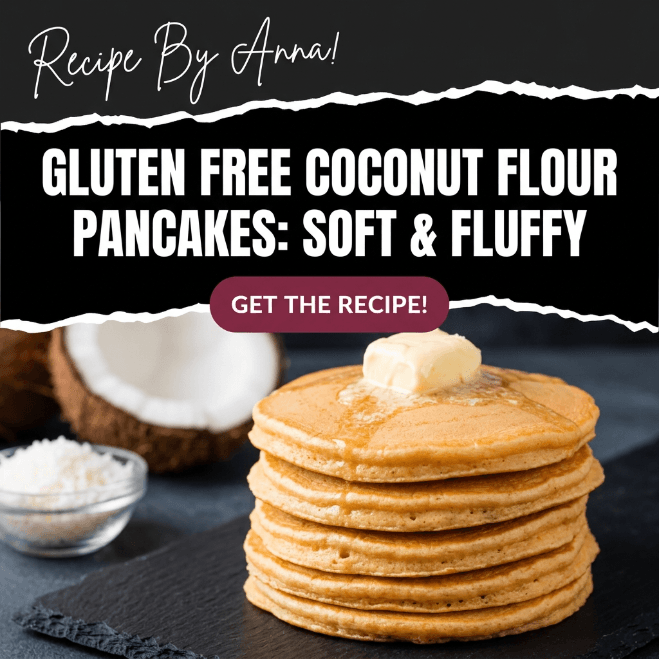
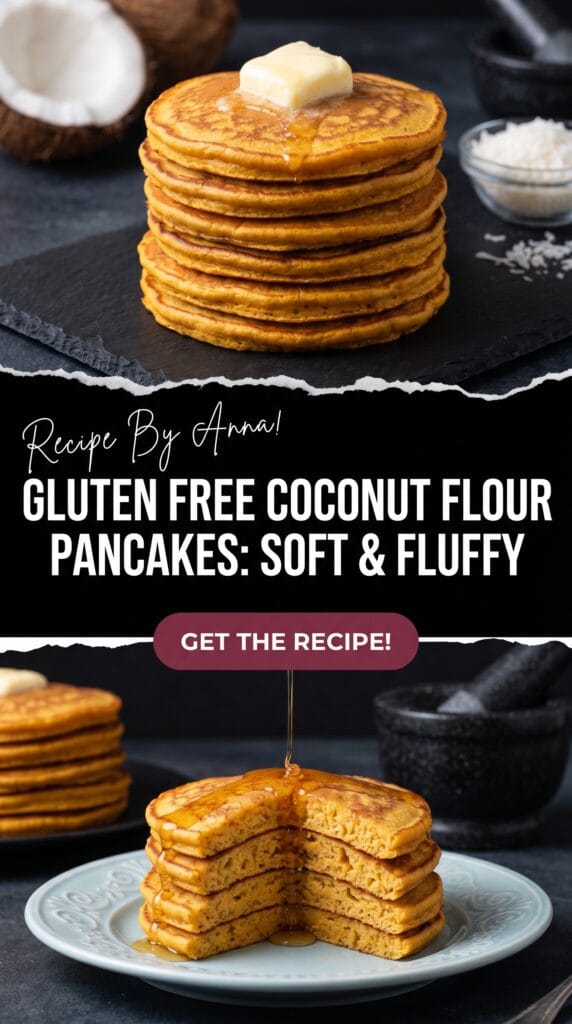
Gluten Free Coconut Flour Pancakes | Fluffy & Low-Carb
Oh, the glorious pancake! A stack of golden-brown perfection, drizzled with syrup, promising a morning of pure bliss. But what if you’re navigating the wonderful (and sometimes tricky) world of gluten-free eating? Or perhaps you’re keeping an eye on your carb intake? Does that mean waving goodbye to those fluffy delights? Absolutely not!
For too long, gluten-free pancakes have had a bit of a bad rap. Dry, crumbly, resembling more of a dense frisbee than a cloud-like breakfast treat. But fear not, my pancake-loving friends! I’m here to tell you that not only can you have your gluten-free pancakes, but you can have them incredibly fluffy, moist, and utterly delicious. And guess what magic ingredient is going to make it all happen? The mighty coconut flour!
Yes, today we’re diving headfirst into the wonderful world of gluten free coconut flour pancakes. This isn’t just a recipe; it’s a passport to breakfast happiness, a rebellion against bland gluten-free alternatives, and honestly, just a really, really good pancake. Coconut flour is a superstar in the gluten-free world, known for its high fiber content and ability to absorb liquids like a sponge (more on that later!). It’s also a fantastic option for those looking for a low carb pancakes alternative.
So, grab your whisk, preheat your griddle, and let’s get ready to transform your breakfast routine. You’re about to discover your new go-to healthy breakfast recipe that will have everyone at the table asking for seconds. Even the non-gluten-free folks will be begging for this recipe!
🥞 Why You’ll Obsess Over This Recipe
Let’s be real, a recipe needs to earn its spot in your culinary hall of fame. And this one? Oh, it’s getting a gilded frame and a spotlight. Here’s why you’re about to fall head over heels for these coconut flour pancakes:
- Unbelievably Fluffy: Forget dense, hockey-puck pancakes. These are light, airy, and truly fluffy. You might even shed a tear of joy.
- Naturally Gluten-Free: Made with 100% coconut flour, these are perfect for anyone avoiding gluten without needing a blend of obscure flours.
- Low Carb Friendly: Coconut flour is naturally lower in carbs than traditional flours, making these a fantastic choice for those watching their carb intake or following a keto-friendly diet.
- Packed with Fiber: Hello, happy gut! Coconut flour is a fiber powerhouse, keeping you full and satisfied longer.
- Simple Ingredients: You won’t need to hunt down exotic ingredients. These use everyday pantry staples.
- Quick & Easy: From mixing bowl to plate in under 20 minutes! Perfect for busy mornings or when a pancake craving strikes with urgency.
- Deliciously Nutty Flavor: Coconut flour imparts a subtle, sweet, nutty flavor that pairs beautifully with any topping. It’s like a tropical vacation for your taste buds, but without the sand getting everywhere.
Seriously, this is more than just a coconut flour recipe; it’s a lifestyle upgrade. Prepare for pancake perfection!
🛒 Ingredients You’ll Need
Gather your troops! These ingredients are ready to embark on a delicious journey to pancake paradise. Remember, quality ingredients make all the difference, especially when dealing with the unique properties of coconut flour.
- 1/2 cup Coconut Flour: The star of our show! Make sure it’s fresh and well-sifted if lumpy.
- 1 teaspoon Baking Powder: Our leavening agent, ensuring those glorious fluffy results.
- 1/4 teaspoon Salt: Just a pinch to enhance all the other flavors.
- 4 large Eggs: Coconut flour is incredibly absorbent, so eggs provide crucial structure and moisture. Don’t skimp!
- 1/2 cup Milk: Any milk works here – dairy, almond, cashew, oat. Your preference!
- 2 tablespoons Sweetener: Maple syrup, honey, erythritol, or even a couple of tablespoons of sugar. Adjust to your sweetness preference.
- 2 tablespoons Melted Coconut Oil or Butter: For moisture and that lovely golden crust.
- 1 teaspoon Vanilla Extract: For that irresistible aromatic touch.
- Oil or Butter for Griddle: Just a little extra for cooking.
🍳 Step-by-Step Instructions
Ready to make some magic? Follow these simple steps to pancake perfection!
- Whisk Dry Ingredients: In a medium bowl, whisk together the coconut flour, baking powder, and salt. Sifting the coconut flour first can help prevent lumps, but usually a good whisk will do the trick.
- Combine Wet Ingredients: In a separate, larger bowl, whisk the eggs really well. Then add the milk, sweetener, melted coconut oil (or butter), and vanilla extract. Whisk until everything is fully combined and smooth.
- Combine Wet and Dry: Gradually add the dry ingredients to the wet ingredients, whisking continuously until just combined. The batter will be quite thick – this is normal for coconut flour! Coconut flour absorbs a lot of liquid, so don’t be alarmed by the consistency. Let the batter sit for about 5 minutes. This allows the coconut flour to fully hydrate and prevents a gritty texture.
- Heat Griddle: While the batter rests, heat a non-stick griddle or large skillet over medium-low heat. Lightly grease it with a little coconut oil, butter, or cooking spray.
- Cook Pancakes: Pour about 1/4 cup of batter per pancake onto the hot griddle. These pancakes don’t spread much on their own, so you might need to gently nudge the batter into a round shape with the back of your spoon.
- Flip & Finish: Cook for 3-4 minutes per side, or until golden brown and cooked through. You’ll see bubbles forming on the surface and the edges setting when it’s time to flip. Since coconut flour pancakes are a bit delicate, use a wide, thin spatula for flipping.
- Serve Immediately: Transfer the cooked pancakes to a plate and serve warm with your favorite toppings. Repeat with the remaining batter, greasing the pan between batches as needed.
🌱 Substitution Suggestions
Life happens, and sometimes you just don’t have that one ingredient. No worries, here are some clever swaps to keep your pancake dreams alive!
- Milk: Any plant-based milk (almond, soy, oat, cashew) works perfectly as a 1:1 substitute for dairy milk.
- Sweetener: If you’re out of maple syrup or honey, granulated sugar, brown sugar, or even a sugar substitute like erythritol or stevia can be used. Adjust to taste!
- Coconut Oil: Melted butter, avocado oil, or any neutral-flavored oil can be used instead of coconut oil.
- Eggs: This is a tricky one for coconut flour as eggs provide so much structure and moisture. I generally don’t recommend egg substitutes for this particular recipe, but if you absolutely must, you could try a flax egg (1 tbsp ground flaxseed + 3 tbsp water per egg, let sit 5 mins to thicken), but be aware the texture will be different and potentially less stable. This is a very eggy recipe for a reason!
- Vanilla Extract: Almond extract or even a pinch of cinnamon can add a lovely flavor if you’re out of vanilla.
🍓 What to Pair
A pancake is merely a canvas for deliciousness! Here are some ideas to elevate your gluten free coconut flour pancakes to epic status:
- Classic Maple Syrup: A timeless choice! For a low-sugar option, use sugar-free maple syrup.
- Fresh Berries: Strawberries, blueberries, raspberries – their tartness beautifully cuts through the richness of the pancakes.
- Whipped Cream or Coconut Cream: A dollop of fluffy cream adds a touch of decadence.
- Nut Butter: A generous smear of almond, peanut, or cashew butter adds protein and healthy fats.
- Chocolate Chips: Who says pancakes can’t be dessert for breakfast?
- Fruit Compote: Warm up some berries with a touch of sweetener for a homemade fruit sauce.
- Greek Yogurt: A healthy dollop of plain or vanilla Greek yogurt adds tang and protein.
- Bacon or Sausage: For the ultimate sweet and savory breakfast experience.
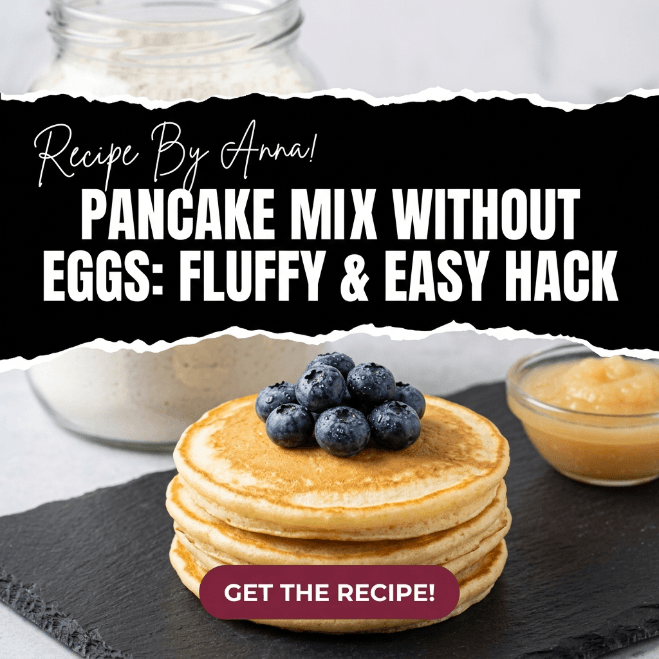
🔥 Don’t miss this recipe: Pancake Mix Without Eggs
📊 Nutritional Information
Alright, let’s talk numbers! While I can’t give you exact figures without precise ingredient brands and measurements, I can offer an estimated breakdown for a single serving (approximately 2-3 pancakes, depending on size and how many the recipe makes). Keep in mind, this is a fantastic healthy breakfast recipe!
(Estimated per serving – please use a nutritional calculator for exact figures based on your specific ingredients):
- Calories: 250-300 kcal
- Carbohydrates: 15-20g (with a significant portion being fiber)
- Net Carbs: 8-12g (making them excellent low carb pancakes!)
- Protein: 10-15g
- Fat: 18-22g
- Fiber: 8-10g
These estimates can vary widely based on your choice of milk, sweetener, and exact portion sizes. However, you can see these pancakes offer a good balance of protein, healthy fats, and fiber, making them a really satisfying start to your day!
👩🍳 Pro Tips for the Perfect Batch
Want to go from good to gourmet? Here are my secret weapons for achieving pancake perfection every single time:
- Don’t Overmix the Batter: Gently whisk until just combined. Overmixing can develop gluten (even in gluten-free flour, you can create a tougher texture with too much agitation) and lead to less fluffy pancakes.
- Let the Batter Rest: This is CRUCIAL for coconut flour! Giving the batter 5-10 minutes allows the coconut flour to fully absorb the liquid, resulting in a much better texture and preventing grittiness. Think of it as allowing the flour to take a nice, relaxing spa day.
- Heat is Key: A medium-low heat is ideal. Too high, and the outside burns before the inside cooks; too low, and you get dry, tough pancakes. Find that sweet spot!
- Don’t Crowd the Griddle: Give your pancakes space to breathe! Cook in batches to ensure even cooking and easier flipping.
- Use a Wide Spatula: Coconut flour pancakes can be a bit more delicate than wheat-based ones, so a wide, thin spatula will be your best friend for flipping without mishap.
- Keep Warm: As you cook batches, place finished pancakes on a baking sheet in a warm oven (around 200°F / 95°C) to keep them toasty until you’re ready to serve.
- Adjust Consistency: If your batter seems too thick after resting (sometimes coconut flours vary), add a tablespoon of milk at a time until it reaches a thick but pourable consistency. If it’s too thin (highly unlikely with coconut flour!), add a tiny bit more coconut flour, maybe 1/2 teaspoon, and let it rest again.
🌈 Easy Variations to Try
Once you’ve mastered the basic coconut flour recipe, feel free to get creative! Here are some fun twists:
- Berry Burst: Fold in 1/2 cup of fresh or frozen (not thawed) blueberries, raspberries, or chopped strawberries into the batter before cooking.
- Chocolate Chip Heaven: Stir in 1/4 to 1/2 cup of your favorite chocolate chips (dark, milk, or even sugar-free) for a decadent treat.
- Spice It Up: Add 1/2 teaspoon of cinnamon, nutmeg, or pumpkin pie spice to the dry ingredients for a warm, cozy flavor.
- Lemon Zest: Grate in the zest of one lemon for a bright, fresh citrusy note. Pair with fresh berries and a dollop of yogurt!
- Nutty Crunch: Add 1/4 cup of chopped pecans or walnuts to the batter.
- Protein Boost: Whisk in a scoop of unflavored or vanilla protein powder with the dry ingredients. You might need to add an extra tablespoon or two of milk to maintain consistency.
❄️ How to Store & Reheat
Batch cooking is a lifesaver, and these pancakes are no exception! Make a big batch of these gluten free coconut flour pancakes and enjoy them throughout the week.
- Storing: Allow leftover pancakes to cool completely. Stack them with parchment paper in between to prevent sticking, then store in an airtight container or freezer bag in the refrigerator for up to 3-4 days.
- Freezing: For longer storage, flash-freeze cooled pancakes on a baking sheet until solid (about 30 minutes). Then transfer them to a freezer-safe bag or container, again with parchment paper between layers. They’ll keep well in the freezer for up to 2-3 months.
- Reheating from Fridge:
- Microwave: Reheat individual pancakes for 30-60 seconds until warm.
- Toaster/Toaster Oven: For a crispier edge, pop them in a toaster or toaster oven until heated through.
- Skillet: Reheat in a lightly greased skillet over medium-low heat for 1-2 minutes per side.
- Reheating from Freezer: Reheat from frozen in a toaster, toaster oven, or microwave until warm and fluffy. You might need a slightly longer reheating time.
🚫 Common Mistakes to Avoid
Even the best chefs make mistakes, but with a little heads-up, you can avoid these common pancake pitfalls, especially when working with a unique ingredient like coconut flour!
- Not Resting the Batter: This is arguably the biggest mistake. Coconut flour needs time to absorb liquids. Skipping this step leads to gritty, dense, and fragile pancakes. Be patient!
- Too High Heat: As mentioned, high heat burns the exterior before the interior is cooked. Result? Charred outside, raw inside. Keep it low and slow.
- Overmixing: While coconut flour doesn’t have gluten, vigorous mixing can still develop toughness in other ingredients (like eggs) and impact the airy texture we’re aiming for.
- Not Enough Eggs: Unlike wheat flour pancakes, coconut flour pancakes rely heavily on eggs for structure and moisture. Don’t try to reduce the egg count in this recipe, or you’ll end up with a crumbly mess.
- Guessing with Coconut Flour: Coconut flour is NOT a 1:1 substitute for any other flour. It’s incredibly absorbent, so always follow recipes specifically designed for it. Don’t try to swap it directly into your favorite wheat flour recipe, unless you’re prepared for a very dry, dense outcome!
- Crowding the Pan: This leads to uneven cooking and a temperature drop in your griddle, which means sad, pale pancakes.
❓ FAQ
Why are my coconut flour pancakes dry?
Usually, this is due to not enough liquid (including eggs!) or not letting the batter rest. Coconut flour is extremely thirsty. Ensure you’re using the correct amount of eggs and liquids, and always let the batter sit for 5-10 minutes so the flour can fully hydrate.
Can I make this recipe dairy-free?
Absolutely! Simply use a plant-based milk (almond, soy, oat, cashew) and coconut oil instead of butter. These are naturally dairy-free if you make those swaps.
Is coconut flour keto-friendly?
Yes, coconut flour is very keto-friendly! It’s low in net carbs and high in fiber, making it an excellent choice for ketogenic and low-carb diets. This recipe for low carb pancakes fits right in!
My pancakes are falling apart, what went wrong?
This is often a sign of insufficient binding. Ensure you’re using the full amount of eggs, as they are crucial for structure in coconut flour recipes. Also, make sure your batter isn’t too thin (which is rare with coconut flour, but possible if too much liquid is added) or cooked on too low a heat for too long, making them fragile.
Can I use a different gluten-free flour blend?
No, not directly in this recipe. Coconut flour is unique in its absorbency. If you want to use a different gluten-free flour blend, you’ll need to find a recipe specifically designed for that blend, as the liquid ratios will be completely different.
Family favorite recipe : Healthy Food and Drink Recipes
🎉 Final Thoughts
There you have it, folks! The ultimate guide to making the most scrumptious, fluffy, and utterly delightful gluten free coconut flour pancakes. No more sacrificing flavor or texture just because you’re eating gluten-free. This healthy breakfast recipe is a game-changer, proving that wholesome can also be incredibly delicious.
Whether you’re new to gluten-free baking, a seasoned low-carb enthusiast, or simply someone looking for a fantastic coconut flour recipe to add to your repertoire, these pancakes are sure to impress. So go ahead, whip up a batch (or two!), pile them high with your favorite toppings, and savor every single bite. Your taste buds, and your stomach, will thank you!
Happy pancake making!