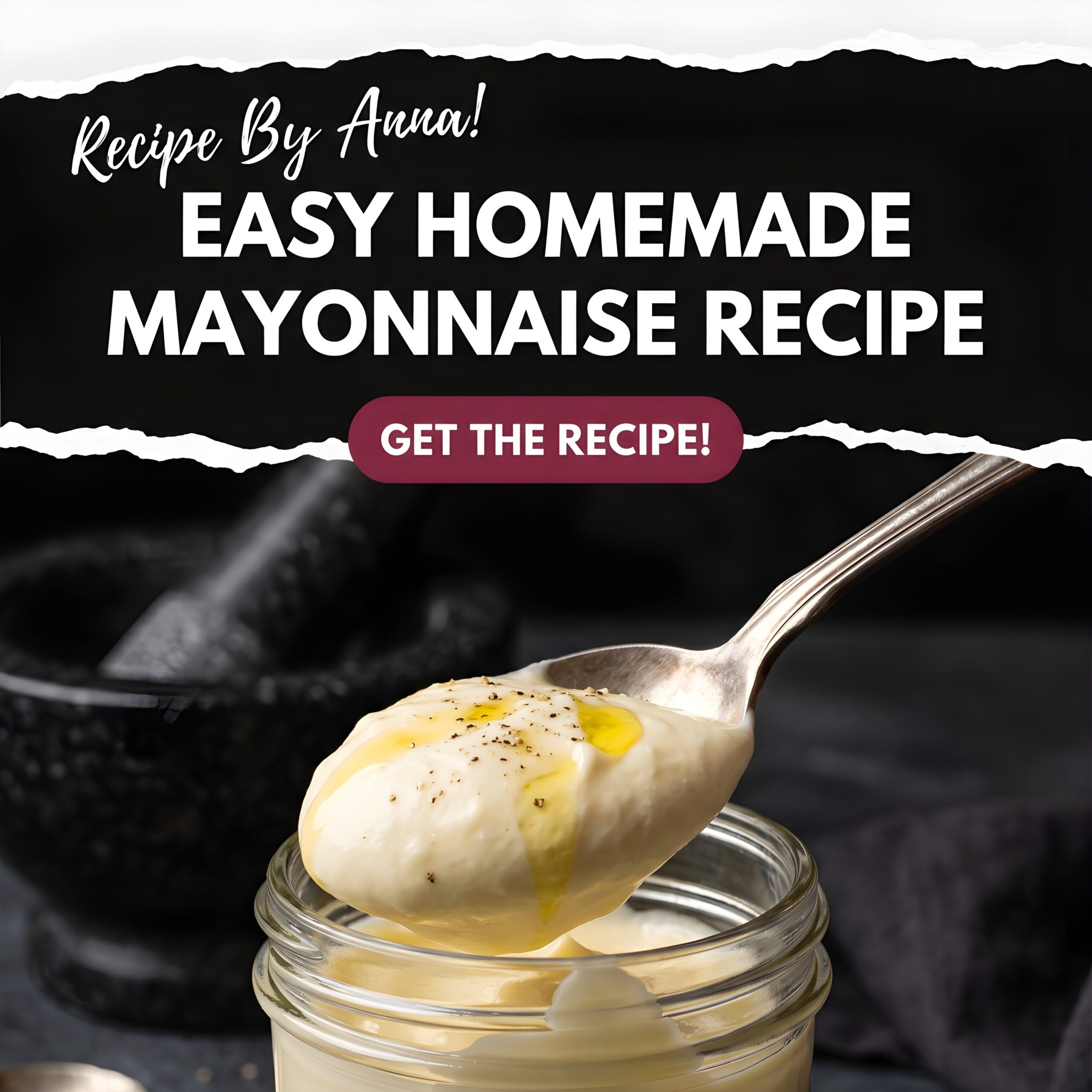
Easy Homemade Mayonnaise Recipe
Let’s be honest for a second. We have all been there, standing in the condiment aisle, staring at a jar of “real” mayonnaise and wondering why the ingredient list looks like a high school chemistry project. Why is there “calcium disodium EDTA” in my sandwich spread? And why does it have a shelf life longer than my last three relationships combined? If you have ever tasted fresh, velvety, homemade mayonnaise, you know that the store-bought stuff is essentially a pale imitation of the real deal. It is like comparing a grainy, black-and-white silent film to a 4K IMAX experience.
Making a homemade mayonnaise easy recipe is one of those culinary “level-up” moments. Once you realize you can whip up a batch of the world’s creamiest condiment in literally sixty seconds, there is no going back. You become “that person”—the one who scoffs at the plastic squeeze bottles at backyard BBQs. But hey, when your potato salad tastes like it was prepared by a French chef, you have earned the right to be a little fancy. In this guide, I am going to show you how to master the art of the emulsion so you can create a healthy homemade mayonnaise that will make your taste buds do a happy dance.
Jump to Recipe😍 Why You’ll Obsess Over This Recipe
There are a million reasons to love this homemade mayonnaise easy recipe, but let’s start with the most obvious: the flavor. Store-bought mayo is often heavy on sugar and cheap, inflammatory seed oils. When you make it yourself, you control the quality. You get to choose the oil, the acidity, and the salt levels. The result is a bright, clean, and luxurious spread that enhances everything it touches rather than masking it in a layer of “glop.”
Secondly, the speed is mind-blowing. If you use the immersion blender method (which we will cover in detail), you are looking at about 2 minutes from start to finish. That is faster than it takes to find your car keys and drive to the grocery store. Plus, it is incredibly cost-effective. You likely already have every single ingredient in your pantry right now. This recipe is also a lifesaver for those following specific lifestyles, such as Keto, Paleo, or Whole30, because you can ensure it is 100% compliant without reading tiny labels with a magnifying glass.
🛒 Ingredients You’ll Need
To make the perfect 2-minute mayo recipe, you only need a handful of basic ingredients. The secret isn’t in the number of items, but in the quality and temperature of what you use.
- 1 Large Egg: Use the freshest egg possible. It is crucial that the egg is at room temperature to ensure a stable emulsion.
- 1 Cup of Neutral Oil: Light olive oil, avocado oil, or grapeseed oil work best. Avoid extra virgin olive oil as it can become bitter when blended at high speeds.
- 1 Tablespoon of Lemon Juice or Apple Cider Vinegar: This provides the “tang” and helps stabilize the mixture.
- 1 Teaspoon of Dijon Mustard: Not just for flavor! Mustard acts as a natural emulsifier, helping the oil and water-based ingredients bond together.
- 1/2 Teaspoon of Sea Salt: To bring all those delicious flavors to life.
- A Pinch of Cayenne or Garlic Powder (Optional): If you want to give your mayo a little extra personality.
🥣 Step-by-Step Instructions
The key to how to make mayonnaise with an immersion blender is the technique. Follow these steps exactly, and you will have success every single time.
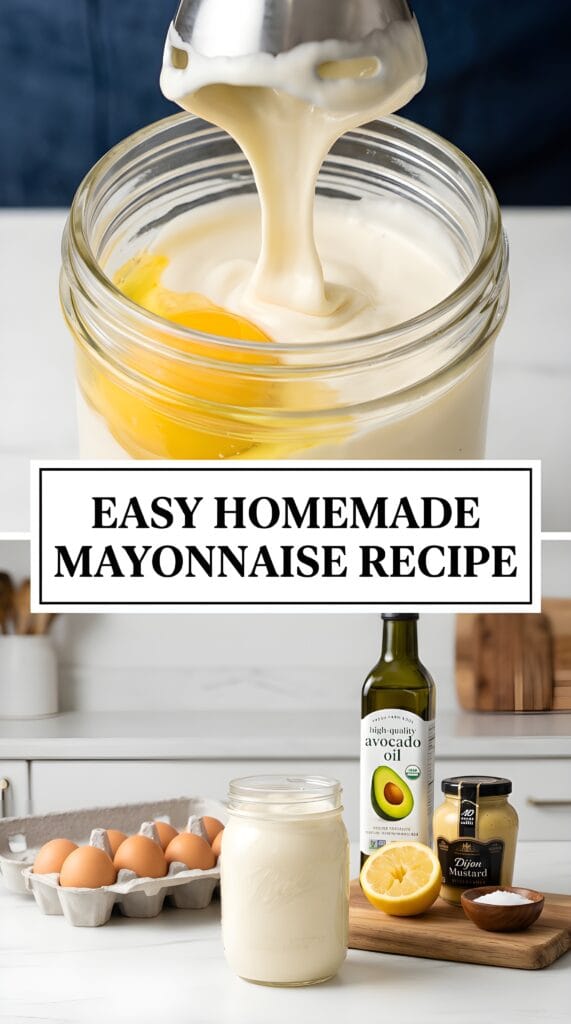
- Prep the Jar: Find a tall, narrow glass jar that is just slightly wider than the head of your immersion blender. A wide-mouth pint mason jar is usually the perfect fit.
- Layer the Ingredients: Crack the egg into the jar first. Then add the lemon juice, mustard, and salt. Finally, pour the oil on top. Let it sit for about 30 to 60 seconds to allow the egg to settle at the very bottom, underneath the oil.
- Position the Blender: Place your immersion blender into the jar, pushing it all the way to the bottom so it is firmly resting on the egg.
- The Magic Moment: Turn the blender on high. Do not move it. Keep it pinned to the bottom for about 10 to 15 seconds. You will see white, creamy mayo starting to form and creep up the sides of the jar.
- Slowly Emulsify: Once the bottom half of the jar is mostly white and thick, slowly tilt and lift the blender head upward to incorporate the remaining oil from the top. Do this gently until the mixture is completely uniform and thick.
- Taste and Adjust: Give it a quick taste. Does it need more salt? A bit more lemon? Pulse it one last time to mix in any final adjustments.
🔄 Substitution Suggestions
One of the best things about a homemade mayonnaise easy recipe is how adaptable it is. If you find yourself missing an ingredient, don’t panic!
If you don’t have lemon juice, white wine vinegar or apple cider vinegar are excellent substitutes. They provide a slightly different flavor profile—lemon is brighter, while vinegar is a bit more punchy. If you are avoiding eggs due to an allergy, you can actually use “aquafaba” (the liquid from a can of chickpeas) to create a vegan version, though the texture will be slightly lighter. For those who want a richer flavor, you can use two egg yolks instead of one whole egg, which results in a deep yellow, ultra-creamy mayo that feels incredibly decadent.
🥪 What to Pair
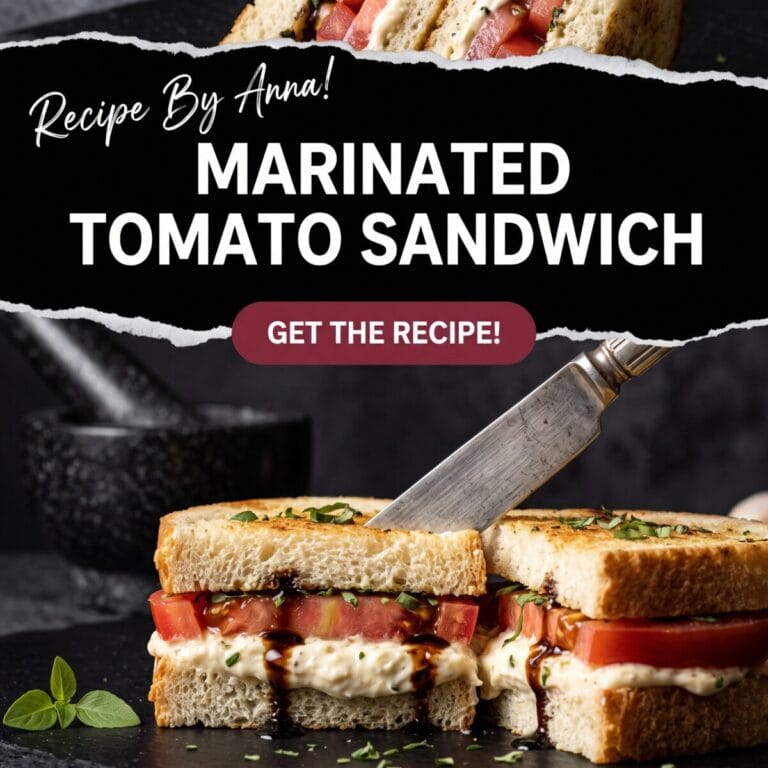
Once you have a jar of this liquid gold in your fridge, the possibilities are endless. Of course, it belongs on a classic turkey club or a BLT, where it provides that essential moisture. But don’t stop there!
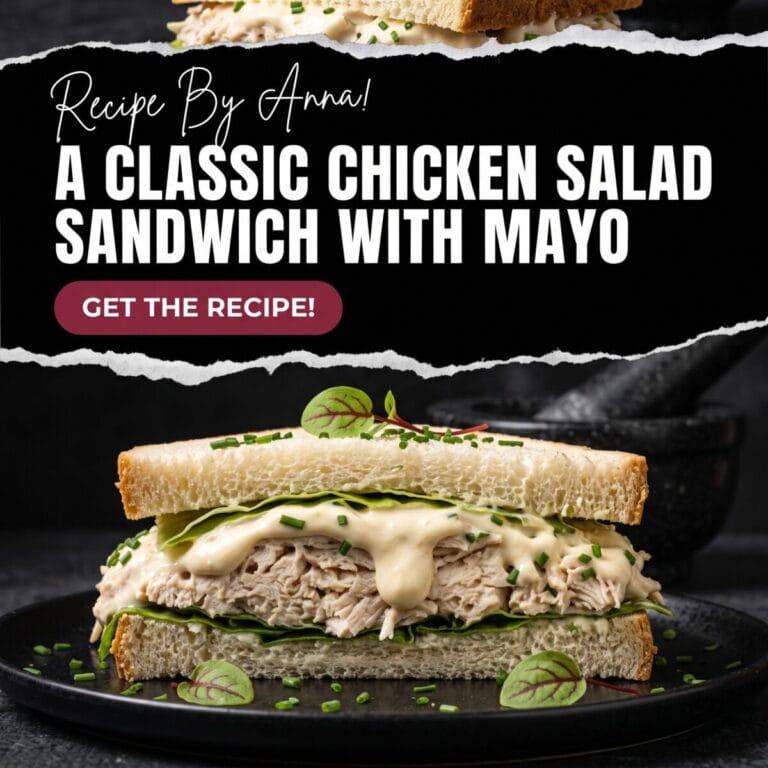
Use it as a base for a creamy dipping sauce by adding a bit of sriracha or chipotle in adagio. It is the perfect companion for sweet potato fries or roasted Brussels sprouts. It is also the secret weapon for the best grilled cheese of your life—spread a thin layer of mayo on the outside of the bread instead of butter before grilling. It has a higher smoke point and results in a perfectly even, golden-brown crust that is suspiciously delicious. And let’s not forget classic salads; whether it is tuna, chicken, or egg salad, this fresh mayo elevates the dish from a “sad desk lunch” to a gourmet meal.
🔥 Don’t miss this recipe: Crispy Cottage Cheese Chips – High Protein Snack Recipe
📊 Nutritional Information
When we talk about healthy homemade mayonnaise, the nutrition really comes down to the oil you choose. Standard store-bought brands are often loaded with soybean oil, which is high in Omega-6 fatty acids. By using avocado oil or light olive oil, you are fueling your body with heart-healthy monounsaturated fats.
A typical one-tablespoon serving contains approximately 90-100 calories, 10 grams of fat, and zero carbohydrates or sugars. Because there are no thickeners like cornstarch or gums, it is a very “clean” fat source. It is also naturally gluten-free and dairy-free, making it an excellent staple for almost any restrictive diet. Just remember, while the fats are “good,” mayo is still calorie-dense, so a little goes a long way!
💡 Pro Tips for the Perfect Batch
Even the simplest recipes can have their quirks. To ensure you never have a “broken” mayo again, keep these tips in mind:
- Temperature is Everything: If your egg is cold and your oil is room temperature, the emulsion might not hold. Take the egg out of the fridge 30 minutes before you start. If you’re in a rush, place the whole egg in a bowl of warm water for 5 minutes.
- The Right Jar Matters: If the jar is too wide, the immersion blender won’t be able to “grab” the oil and egg correctly at the start. The tight fit is what forces the oil into the egg slowly.
- Avoid Extra Virgin Olive Oil: I mentioned this before, but it bears repeating. High-speed blending can cause the polyphenols in EVOO to break down, resulting in a shockingly bitter taste. Stick to “Light” olive oil or avocado oil.
- Fresh Lemon is Best: Bottled lemon juice often has a metallic aftertaste. A squeeze of a fresh lemon makes a world of difference.
🌶️ Easy Variations to Try
Think of this homemade mayonnaise easy recipe as a blank canvas. Here are some quick ways to jazz it up:
- Roasted Garlic Aioli: Blend in 2-3 cloves of roasted garlic for a mellow, sweet, and savory spread.
- Herbed Mayo: Fold in finely chopped fresh dill, chives, or parsley after the mayo is thickened. This is incredible on fish.
- Pesto Mayo: Stir in a tablespoon of prepared pesto for a Mediterranean twist that is amazing on chicken sandwiches.
- Wasabi Mayo: Add a teaspoon of wasabi paste for a spicy kick that pairs perfectly with seared tuna or roast beef.
❄️ How to Store & Reheat
Storage is simple: keep your mayo in an airtight container (like the glass jar you made it in) and store it in the back of the refrigerator, which is the coldest spot. Because it contains fresh, raw egg, it will typically last for about 1 to 2 weeks. Always use a clean spoon to avoid cross-contamination, which can cause it to spoil faster.
Now, regarding reheating: Generally speaking, you should never reheat mayonnaise directly. If you heat it on its own, the emulsion will break, and you will end up with a puddle of oil and cooked egg bits. Not appetizing! However, you can use it in recipes that are baked, such as a “melt” or as a coating for baked chicken, where the other ingredients help keep it stable. If you’re using it in a sauce, stir it in at the very end off the heat to keep that creamy texture intact.
⚠️ Common Mistakes to Avoid
Even the best of us have ended up with a jar of “oil soup” instead of mayo. Here is what usually goes wrong:
- Moving the Blender Too Soon: If you lift the blender before the bottom is emulsified, you’ll incorporate too much oil too fast, and the mixture will break. Patience is a virtue for the first 15 seconds!
- Using Too Much Acid: If you add way too much lemon juice or vinegar, the proteins in the egg can struggle to hold the oil. Stick to the measurements.
- Old Eggs: As eggs age, their proteins weaken. For the strongest emulsion, use the freshest eggs you can find.
- The “Oops” Fix: If your mayo breaks and looks like curdled milk, don’t throw it out! Put a fresh egg yolk in a clean jar and slowly drip the “broken” mixture into it while blending. It will usually come back together.
❓ FAQ
Is it safe to eat raw eggs in mayonnaise?
For most healthy individuals, the risk of salmonella from fresh, high-quality eggs is extremely low. However, if you are pregnant, elderly, or have a compromised immune system, you can use pasteurized eggs (the ones sold in cartons or specifically marked) to be 100% safe.
Can I make this in a regular food processor?
Yes, but the technique is different. You must drip the oil in extremely slowly (literally drop by drop at first) while the processor is running. The immersion blender method is much more “foolproof” and faster.
Why is my mayo too thin?
This usually happens if the oil-to-egg ratio is off or if it wasn’t blended long enough. Curiously, adding more oil and continuing to blend will actually make the mayonnaise thicker, as more oil droplets create more structure within the emulsion.
✨ Final Thoughts
Once you have conquered this homemade mayonnaise easy recipe, you will feel like a total kitchen rockstar. It is a small change that makes a massive impact on the quality of your meals. No more weird additives, no more “off” flavors—just pure, creamy, customizable goodness. Whether you’re making a simple sandwich or a complex dip, your homemade mayo will be the star of the show. So, grab your immersion blender and get to work. Your fridge is about to get a serious upgrade!
Pro Tip: Don’t forget to label your jar with the “made on” date. It’s easy to lose track of time when you’re busy being a culinary genius!
Easy Homemade Mayonnaise Recipe
Course: SauceCuisine: AmericanDifficulty: Easy12
servings2
minutes1
minute120
kcalIngredients
1 large egg, room temperature
1 cup neutral oil (light olive oil, avocado oil, or grapeseed oil)
1 tablespoon lemon juice or apple cider vinegar
1 teaspoon Dijon mustard
½ teaspoon sea salt
Pinch of cayenne or garlic powder (optional)
Directions
- Add the egg, lemon juice or vinegar, Dijon mustard, and sea salt into a tall jar or blending cup.
- Pour the oil gently over the top of the ingredients.
- Insert an immersion blender all the way to the bottom of the jar.
- Turn on the blender and keep it stationary for about 10–15 seconds while the mayo begins to emulsify.
- Slowly lift the blender upward once the bottom turns thick and creamy.
- Continue blending until all the oil is fully incorporated and the mayonnaise becomes smooth and fluffy.
- Taste and adjust seasoning if needed by adding extra salt, lemon juice, or optional cayenne or garlic powder.
- Transfer to an airtight container and refrigerate immediately.
Notes
- Room temperature ingredients matter: Cold eggs can prevent proper emulsification.
Use neutral oils: Extra virgin olive oil may taste bitter when blended.
Immersion blender method works best: It creates a thick mayo in seconds with minimal effort.
Customize the flavor: Add garlic, herbs, hot sauce, or extra mustard for variations.