Best Buttercream for Piping Flowers | Stable & Easy Recipe
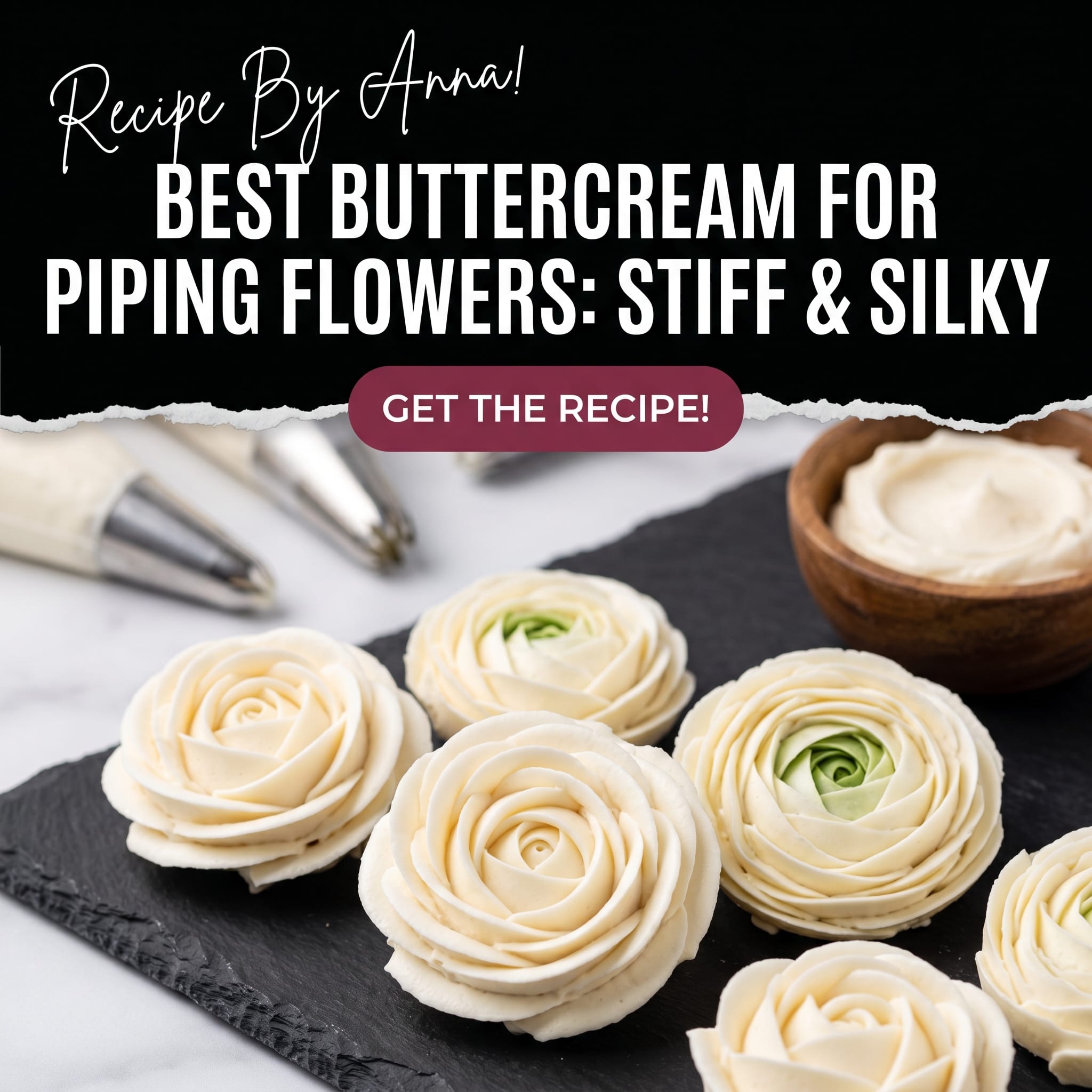
Oh, the elusive perfect piped flower! We’ve all been there, right? You’re armed with your piping bag, a vision of delicate petals dancing in your head, and then… disaster strikes. Your buttercream melts into a sad puddle, refuses to hold its shape, or decides to crumble like your dreams of becoming a cake decorating superstar. It’s enough to make you want to throw your piping tips (gently, of course, they’re expensive!) right out the window. But what if I told you there’s a buttercream out there that actually wants to cooperate? A buttercream so stable, so smooth, and so utterly delicious that it practically pipes itself? Well, my friend, today is your lucky day because we’re diving headfirst into the world of the best buttercream for piping flowers – a recipe that will transform your floral fantasies into stunning, edible realities. Get ready to banish those buttercream blues and embrace the joy of beautifully piped blooms!
💖 Why You’ll Obsess Over This Recipe
Let’s be real, piping flowers can be incredibly rewarding, but it can also be a source of immense frustration. I mean, who hasn’t spent hours meticulously piping only for the petals to sag like a deflated balloon after five minutes? It’s enough to make you consider a new hobby, like competitive napping. But fear not, because this particular stable buttercream recipe is about to become your new best friend in the kitchen. You’ll obsess over it because it’s a true game-changer.
First off, its stability is unmatched. We’re talking about buttercream that holds its shape like a champion bodybuilder holding a pose. No more melting petals, no more collapsing roses. This buttercream understands the assignment. It’s designed to give you crisp, defined edges and delicate, realistic textures, making your piping flower techniques look professional even if you’re just starting out.
Secondly, it’s incredibly smooth. Ever tried piping with lumpy, grainy buttercream? It’s like trying to draw with a crayon made of sand. Not fun. This recipe yields a beautifully smooth buttercream for intricate designs, allowing your piping bag to glide effortlessly, creating flawless petals without any annoying clogs or breaks. This smoothness also makes it incredibly easy to color evenly, so your vibrant reds and delicate pinks will be perfectly consistent.
And finally, let’s not forget the taste! What’s the point of a beautiful cake if the frosting isn’t delicious? This buttercream is sweet, rich, and melts in your mouth, complementing any cake or cupcake beautifully without being overly sugary. It strikes that perfect balance between structural integrity and divine flavor. So, get ready to fall head over heels for the buttercream that will make all your floral piping dreams come true!
🥣 Ingredients You’ll Need
Gather your baking arsenal! For this magical, stable buttercream recipe, you’ll need a few key players. Quality ingredients make all the difference, so opt for the good stuff if you can!
- 4 sticks (1 pound or 450g) unsalted butter, softened but still cool
- 8 cups (960g) powdered sugar (confectioners’ sugar), sifted
- 1/2 cup (120ml) heavy cream or whole milk, chilled
- 2 teaspoons pure vanilla extract (or other flavorings)
- Pinch of salt (optional, but highly recommended to balance sweetness)
👩🍳 Step-by-Step Instructions
Alright, let’s get down to business! Follow these steps to whip up the best buttercream for piping flowers you’ve ever made. Patience is a virtue, especially when dealing with butter!
- Prep Your Butter: Take your unsalted butter out of the fridge about 30-45 minutes before you start. It should be softened enough to make an indent with your finger but still cool to the touch – not melted or greasy. If it’s too warm, pop it back in the fridge for a few minutes. This is critical for a stable buttercream.
- Cream the Butter: In the bowl of a stand mixer fitted with the paddle attachment (or using a hand mixer), beat the softened butter on medium speed for about 3-5 minutes. You want it to become light, fluffy, and pale yellow. Scrape down the sides of the bowl often. This aeration is key for a light, smooth buttercream for intricate designs.
- Add Powdered Sugar Gradually: Reduce the mixer speed to low. Add the sifted powdered sugar one cup at a time, mixing well after each addition until just combined. Adding it slowly prevents a sugary cloud from engulfing your kitchen (and your face!). Once all the sugar is in, increase the speed to medium-low and continue mixing until fully incorporated and no lumps remain. Scrape down the sides of the bowl as needed.
- Introduce Liquids and Flavor: With the mixer still on low, slowly drizzle in the cold heavy cream or milk and the vanilla extract. Add the pinch of salt if using. Mix until just combined.
- Whip to Perfection: Now, crank up the mixer speed to medium-high and beat the buttercream for another 5-7 minutes. This step is crucial for achieving that light, fluffy, and incredibly smooth texture that’s perfect for piping flower techniques. The buttercream will lighten in color and become beautifully airy. If it feels too stiff, add a tiny bit more cream, half a teaspoon at a time. If it seems too soft, you can add a tablespoon or two more sifted powdered sugar, or chill it for 10-15 minutes and then re-whip.
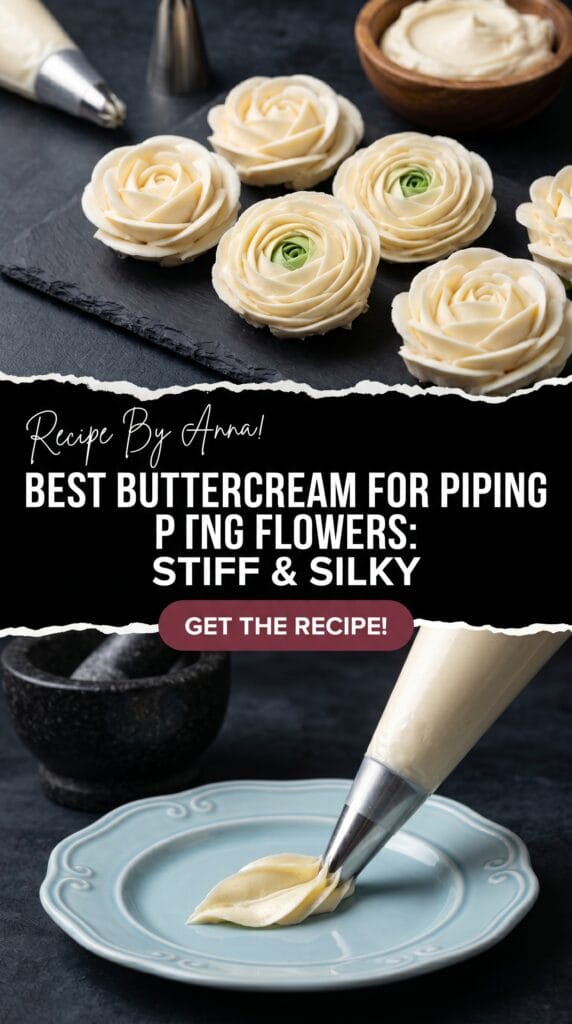
- Check Consistency: Your buttercream should be thick enough to hold stiff peaks, but smooth enough to pipe without tearing. It should feel pliable and easy to work with. Now you have the best buttercream for piping flowers, ready for action!
🔄 Substitution Suggestions
Life happens, and sometimes you don’t have exactly what the recipe calls for. Don’t worry, we’ve got some wiggle room!
- Butter: While unsalted butter is preferred for flavor control, salted butter can work. Just omit the added pinch of salt in the recipe. For a dairy-free option, use a high-quality vegan butter stick that mimics regular butter (like Miyoko’s Kitchen or Earth Balance sticks). Be aware that vegan butters can sometimes be softer, so you might need to chill your finished buttercream slightly before piping.
- Heavy Cream/Milk: Full-fat coconut milk (the canned kind, well-shaken) can be a great dairy-free substitute for heavy cream. For a richer flavor, you could even use evaporated milk. If you only have skim milk, that’s fine too, but the buttercream might be slightly less rich.
- Flavorings: Vanilla is classic, but feel free to experiment! Almond extract, lemon extract, peppermint extract, or even a dash of coffee extract can add wonderful dimensions. Make sure to use pure extracts for the best flavor.
- Powdered Sugar: There’s not really a direct substitute for powdered sugar in this recipe without drastically changing the consistency. However, ensure it’s sifted to avoid lumps – this is key for a smooth buttercream for intricate designs.
🍰 What to Pair
Now that you’ve mastered the best buttercream for piping flowers, what glorious creations will it adorn? The possibilities are endless, but here are some delightful pairings:
- Vanilla or Chocolate Cupcakes: A classic pairing that lets your beautiful piped flowers shine.
- Birthday Cakes: Transform a simple round cake into a garden party masterpiece.
- Sugar Cookies: Create elegant floral cookie bouquets for gifts or special occasions.
- Lemon or Red Velvet Cakes: The richness of the buttercream complements tangy or deep flavors wonderfully.
- Mini Tarts: A delicate piped flower can elevate a simple fruit tart to something truly special.
🔥 Don’t miss this recipe: Fluffy Japanese Soufflé Pancakes
📊 Nutritional Information
Please note: This nutritional information is an approximation. The exact values will vary depending on the specific brands of ingredients you use and the exact serving size. As a general estimate, for one serving (approximately 2 tablespoons of buttercream), you can expect:
- Calories: 150-200 kcal
- Total Fat: 15-20g
- Saturated Fat: 9-12g
- Cholesterol: 30-45mg
- Sodium: 0-10mg (without added salt)
- Total Carbohydrates: 15-20g
- Sugars: 15-20g
- Protein: <1g
It’s buttercream, folks – it’s meant to be a delicious indulgence, not a health food! Enjoy it in moderation, perhaps after a strenuous piping session that counts as exercise. 😉
✨ Pro Tips for the Perfect Batch
Want to go from good to “OMG, how did you do that?!” Here are my top secrets for achieving the absolute best buttercream for piping flowers every single time:
- Butter Temperature is GOLD: I cannot stress this enough. Your butter should be soft but still cool – think room temperature for an air-conditioned room, not a scorching summer day. If it’s too warm, your buttercream will be greasy and soupy. Too cold, and it will be lumpy and hard to mix. Goldilocks butter is key for a stable buttercream recipe!
- Sift, Sift, SIFT!: Don’t skip sifting your powdered sugar. Those little lumps might seem innocent, but they will absolutely wreak havoc on your smooth buttercream for intricate designs, causing clogs in your piping tips and a gritty texture.
- Whip it Real Good: After adding all ingredients, whip the buttercream on medium-high speed for a good 5-7 minutes. This incorporates air, making it light, fluffy, and increasing its volume. It also helps dissolve any remaining sugar crystals, ensuring that silky-smooth texture crucial for delicate piping flower techniques.
- Scrape Down the Bowl: Regularly scrape down the sides and bottom of your mixing bowl. Buttercream has a sneaky way of sticking to the edges, and you want everything evenly mixed for a consistent texture.
- Adjusting Consistency:
- Too Stiff? Add more heavy cream or milk, half a teaspoon at a time, mixing well after each addition until you reach your desired consistency.
- Too Soft? Add more sifted powdered sugar, a tablespoon at a time. If it’s still too soft, pop the bowl (covered) into the fridge for 10-15 minutes, then re-whip it. The slight chill helps to firm up the butter.
- Coloring Cream: When coloring your buttercream, use gel food coloring instead of liquid. Gel colors are highly concentrated, so you need less, which prevents thinning out your perfectly stable buttercream. Add a tiny amount with a toothpick, mix, and add more until you reach your desired shade. Remember, colors deepen slightly over time.
- Don’t Overfill Your Bag: Only fill your piping bag about two-thirds full. An overfilled bag is harder to control, and the warmth from your hands can melt the buttercream inside, making it too soft.
🎨 Easy Variations to Try
While the classic vanilla is divine, this versatile buttercream is a fantastic canvas for other flavors!
- Chocolate Buttercream: Add 1/2 cup (60g) unsweetened cocoa powder, sifted, along with the powdered sugar. You might need an extra splash of cream to maintain the perfect consistency.
- Citrus Burst: Replace 1 teaspoon of vanilla extract with 1 teaspoon of lemon, orange, or lime extract. You can also add 1-2 tablespoons of finely grated citrus zest for an extra fresh kick.
- Berry Delight: Stir in 2-3 tablespoons of strained fruit puree (like raspberry or strawberry) at the end. Make sure the puree is thick and not too watery, or it will soften your buttercream. You might need to add a bit more powdered sugar to compensate.
- Nutty Flavor: Add 1 teaspoon of almond extract in addition to, or in place of, vanilla. For a praline effect, fold in some finely crushed toasted nuts.
- Coffee Lover’s Dream: Dissolve 1-2 teaspoons of instant espresso powder in 1 tablespoon of the heavy cream before adding it to the butter.
❄️ How to Store & Reheat
Making a big batch of the best buttercream for piping flowers is smart! Here’s how to keep it fresh and ready for your next masterpiece.
- Room Temperature: If using within a few hours (and if your kitchen isn’t scorching), you can leave it covered on the counter.
- Refrigerator: Store leftover buttercream in an airtight container in the fridge for up to 1 week. When ready to use, let it come to room temperature for a few hours. Then, re-whip it on medium-high speed for a few minutes until it’s light, fluffy, and smooth again. You might need to add a tiny splash of cream if it’s too stiff.
- Freezer: For longer storage, freeze buttercream in an airtight container for up to 3 months. Thaw overnight in the refrigerator, then let it come to room temperature on the counter before re-whipping as described above. Sometimes frozen and thawed buttercream needs a longer re-whip to regain its silky smooth buttercream for intricate designs.
🚫 Common Mistakes to Avoid
Even with the best buttercream for piping flowers recipe, a few pitfalls can trip you up. Steer clear of these common mistakes!
- Using Butter That’s Too Soft/Melted: This is probably the number one culprit for soupy, greasy buttercream that won’t hold its shape. As mentioned, soft but cool is the goal.
- Not Sifting Powdered Sugar: Lumps, clogs, and a gritty texture – nobody wants that when trying to create delicate piping flower techniques. Sift, sift, sift!
- Undermixing: If your buttercream isn’t light and fluffy, it’s likely you haven’t whipped it long enough. The air incorporated during whipping is what gives it structure and a smooth consistency.
- Overmixing (after adding liquids): While you need to whip it well, once all ingredients are combined, excessive mixing at high speeds can sometimes incorporate too much air, making it brittle, or worse, separate. Focus on that 5-7 minute whip after all ingredients are in, then stop.
- Using Cold Cream/Milk for Adjusting: Always use cold or chilled cream/milk for adjusting consistency, especially if the buttercream feels a bit warm. Adding warm liquid will only make it softer.
- Impatience: Don’t rush the chilling or softening process. Good buttercream takes time, and trying to speed it up often leads to less-than-perfect results.
❓ FAQ
Got questions? I’ve got answers! Here are some common queries about making the best buttercream for piping flowers.
Q: Why is my buttercream too soft and won’t hold its shape?
A: Most likely, your butter was too warm to begin with, or you haven’t whipped it long enough to incorporate enough air for stability. Try chilling the entire bowl of buttercream in the fridge for 15-20 minutes, then re-whip on medium-high speed. If it’s still too soft, add 1-2 tablespoons of sifted powdered sugar.
Q: My buttercream looks curdled or separated. What happened?
A: This can happen if your butter and liquid ingredients were at very different temperatures. Don’t panic! Continue beating it on medium-high speed for several minutes. Often, it will come back together and become smooth. If it’s still stubborn, try gently warming a small portion of the curdled buttercream in the microwave for 5-10 seconds, then adding it back to the bowl and re-whipping.
Q: Can I use shortening instead of butter for a more stable buttercream recipe?
A: Yes, you can. Shortening tends to make an even more stable buttercream, especially in warm climates, as it has a higher melting point than butter. However, it lacks the rich flavor of butter. A common compromise is to use a 50/50 blend of butter and shortening to get the best of both worlds – flavor and stability for your piping flower techniques.
Q: How far in advance can I make this buttercream?
A: You can make this buttercream up to a week in advance and store it in the refrigerator, or up to 3 months in the freezer. Just remember to bring it to room temperature and re-whip it before using it to restore its perfect texture and consistency for detailed piping.
Family favorite recipe : Healthy Food and Drink Recipes
🎉 Final Thoughts
And there you have it! The definitive guide to creating the best buttercream for piping flowers. No more melted messes, no more gritty textures, just smooth, stable, and utterly delicious frosting ready to transform your cakes and cupcakes into works of art. Remember, practice makes perfect, but having a stellar buttercream recipe as your foundation makes the journey infinitely more enjoyable. So grab your piping bag, choose your favorite tip, and unleash your inner floral artist! I can’t wait to see the beautiful blooms you create. Happy piping!