

Lemon Cream Sauce Recipe — The Most Versatile Sauce You’ll Make All Year
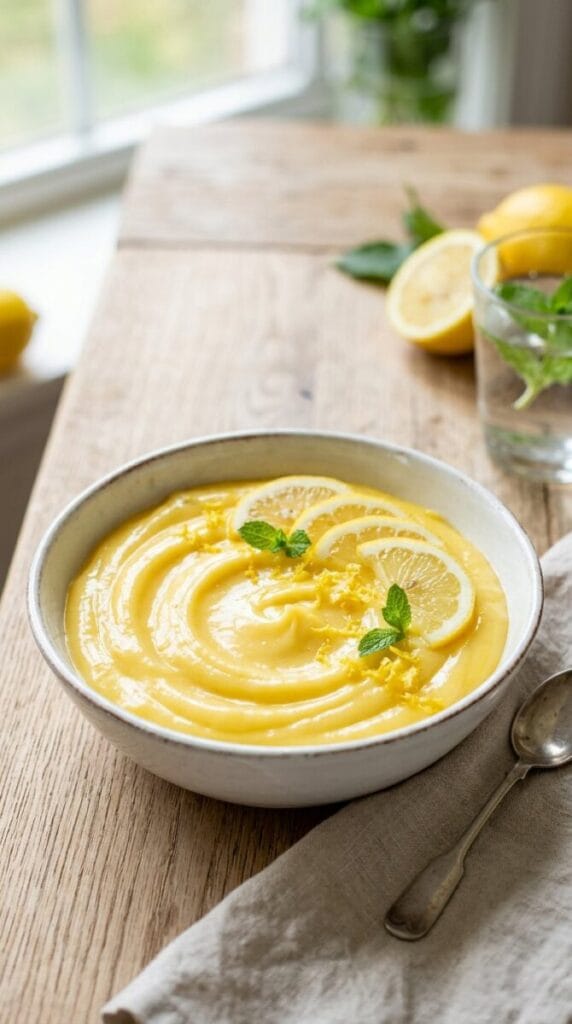
This Lemon Cream Sauce Recipe is the one sauce that genuinely earns a place in your permanent repertoire — silky, bright, and rich without being heavy, with enough lemon acidity to cut through cream and butter and make the whole thing taste vivid and fresh rather than merely indulgent. It is done in 10 minutes from a single pan and goes over pasta, chicken, fish, vegetables, or gnocchi with equal success.
The creamy lemon sauce occupies the specific flavour position that nothing else quite covers — the brightness of a vinaigrette, the richness of a cream sauce, and the versatility of a béchamel, all in a single preparation that takes ten minutes and uses ingredients most people already have. Once you know how to make it, you will find yourself reaching for it every time you need a sauce that elevates whatever protein or pasta is already in the pan.
This is the foundational recipe — the master version that works everywhere. The Variations section below covers every specific application: lemon cream sauce for pasta, for fish, for salmon, for chicken, with garlic, with capers — each with the one or two small adjustments that tune the base toward a specific use without requiring a completely different recipe.
Why This Sauce Works for Everything
The balance of fat from the cream and butter against the acid from the lemon juice is what makes a creamy lemon sauce simultaneously rich and bright — the fat carries and extends the flavour while the acid prevents the sauce from tasting heavy or cloying. A cream sauce without acid tastes flat and one-dimensional; this one tastes complete.
The reduction step — simmering the cream until it thickens slightly before the lemon juice and butter go in — is what produces a sauce with body that clings to pasta or drapes over fish rather than pooling at the bottom of the plate.
- Prep Time: 5 minutes
- Cook Time: 10 minutes
- Total Time: 15 minutes
- Yield: about 1 cup of sauce, serves 2 to 4 depending on application
What You Need
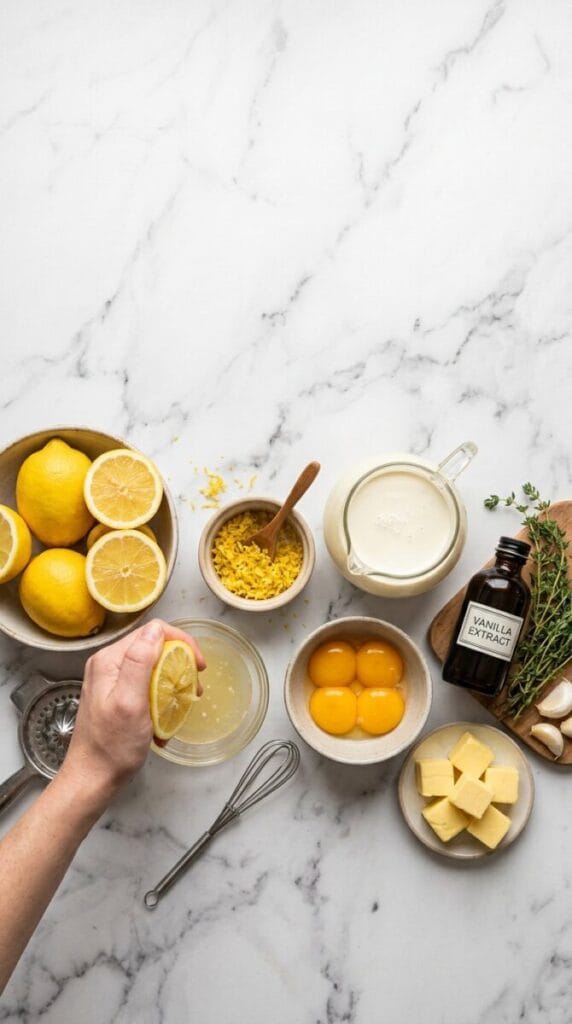
- Unsalted butter: 2 tablespoons
- Garlic cloves, minced: 3 (adjust to 2 for a more neutral lemon-forward sauce)
- Dry white wine or chicken broth: 1/4 cup (60ml) — wine adds acidity and complexity; broth works for a non-alcoholic version
- Heavy whipping cream: 3/4 cup (180ml)
- Fresh lemon juice: 3 tablespoons (about 1.5 lemons)
- Lemon zest: 1 teaspoon
- Parmesan cheese, finely grated: 1/4 cup (25g) — optional but adds body and a savoury depth that rounds the sauce
- Fresh flat-leaf parsley or chives, finely chopped: 2 tablespoons
- Fine sea salt: 1/2 teaspoon, plus more to taste
- White pepper or black pepper: 1/4 teaspoon
- Pinch of red chilli flakes: optional, adds a gentle warmth
How to Make It
- Melt the butter in a medium skillet or saucepan over medium heat until foaming subsides and the butter is liquid but not browned.
- Add the minced garlic and cook for 60 seconds, stirring constantly, until golden and fragrant — do not let it brown, which makes it bitter and dominates the delicate lemon flavour.
- Pour in the white wine or broth and let it simmer vigorously for 1 to 2 minutes until reduced by about half — this concentrates the flavour and cooks off the alcohol from the wine.
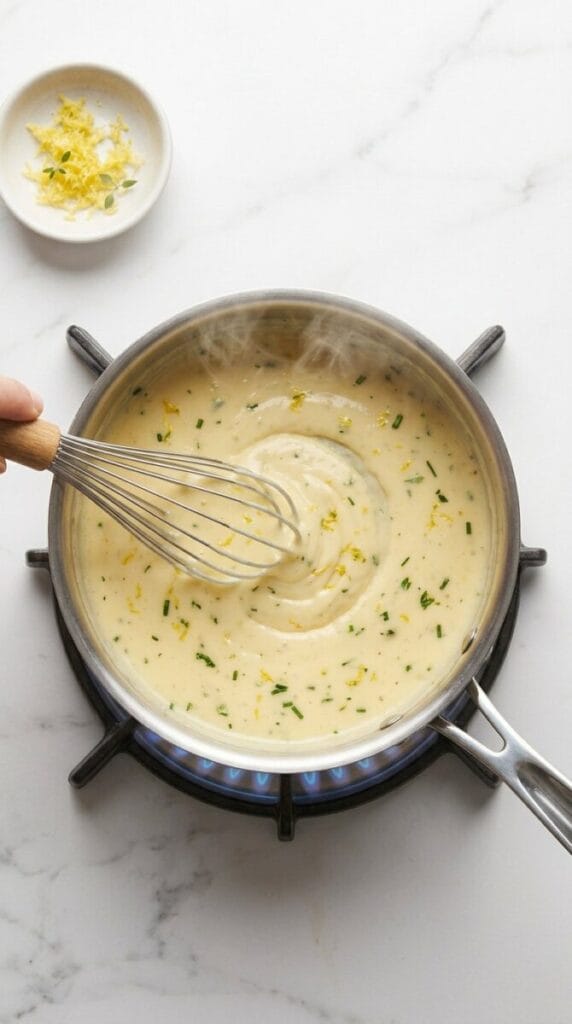
- Add the heavy cream and bring to a gentle simmer over medium heat — stir frequently and do not let it boil aggressively, which can cause the cream to separate.
- Simmer the cream for 3 to 4 minutes, stirring occasionally, until it has reduced slightly and coats the back of a spoon — run your finger across the back of the spoon and the line should hold clean rather than running together immediately.
- Remove the pan from heat and stir in the fresh lemon juice and lemon zest — adding the lemon off heat rather than into the simmering cream prevents the acid from curdling the cream at high temperature.
- Stir in the grated Parmesan if using and the fresh herbs, then taste and season with salt, pepper, and chilli flakes.
- Return to low heat briefly if needed to warm through after adding the cold lemon juice, but do not bring back to a simmer.
- Use immediately — the sauce thickens further as it cools and is at its most fluid and silky when freshly made.
This lemon cream sauce is the natural finishing sauce for our Crispy Air Fryer Parmesan Cod — spoon it over the golden, crispy fillets at the table for a lemon cream sauce for fish that turns a 20-minute weeknight dinner into something that looks and tastes genuinely restaurant-quality.
Why the Lemon Goes In Off Heat
Adding lemon juice directly to hot simmering cream causes the acid to interact with the milk proteins at high temperature and can produce a slightly grainy or curdled texture — particularly if the cream was already reduced and concentrated. Removing the pan from heat before adding the lemon juice allows the cream to cool slightly before the acid hits it, preventing the protein coagulation that causes curdling and producing a smooth, cohesive sauce every time.
The same principle applies to any acid-in-cream sauce — wine, vinegar, or citrus should always be added either before the cream (when it can simmer down and mellow before the dairy is introduced) or after the cream comes off the heat (when the temperature is low enough to prevent curdling). According to Serious Eats, cream curdles when acid and heat act on the casein proteins simultaneously — either element alone at moderate levels is safe, but hot cream plus strong acid creates conditions where the proteins coagulate rapidly and visibly, which is why the off-heat technique is the most reliable approach for any lemon cream application.
The Parmesan addition is optional but does meaningful work — it adds glutamates that deepen the savoury character of the sauce, and it adds starch that stabilises the emulsion and prevents the sauce from breaking if it sits for a few minutes before serving. For a lemon cream sauce for pasta, the Parmesan is worth including every time.
Every Application This Sauce Works For
Lemon cream sauce for pasta: Toss the finished sauce with 8 oz of freshly cooked pasta (reserve 1/4 cup of pasta water before draining), adding the starchy pasta water to thin the sauce to a coating consistency that clings to every strand. Add the Parmesan to the base recipe and finish with extra lemon zest and fresh parsley. This version also works as the base for a lemon cream sauce for salmon pasta — add flaked hot-smoked salmon to the finished pasta just before serving.
Creamy lemon sauce for chicken: Make the sauce in the same pan you used to sear chicken breasts or thighs — deglaze with the white wine, scraping up the browned bits from the chicken, before adding the cream. The fond from the seared chicken adds a savoury depth to the creamy lemon sauce for chicken that a clean pan can’t replicate. Add a tablespoon of Dijon mustard to this version for extra depth.
Lemon cream sauce for salmon: Reduce the garlic to one clove and add 2 tablespoons of capers (rinsed and roughly chopped) with the lemon juice — this becomes a creamy lemon caper sauce that is the classic pairing for pan-seared or baked salmon. The capers’ briny, slightly pickled flavour is the ingredient that makes lemon cream sauce for salmon taste specifically designed for fish rather than a repurposed pasta sauce.
Lemon cream sauce for fish: Use this for any mild white fish — cod, halibut, tilapia, or sole — and add a tablespoon of fresh dill alongside the parsley for a more herbal, Scandinavian-leaning version. This is the direction that works best with our Crispy Air Fryer Parmesan Cod and equally well with our Pan-Seared Halibut with Garlic Butter — the bright lemon cream bridges the gap between the crispy exterior and the delicate fish interior in a way that plain butter doesn’t.
Lemon butter cream sauce over vegetables: Use this over steamed asparagus, broccolini, or roasted cauliflower — reduce the garlic to one clove and add a tablespoon of capers or a handful of fresh herbs to make a more complex vegetable accompaniment. Our Honey Roasted Cauliflower with Grilled Halloumi takes this sauce beautifully as an alternative to the tahini drizzle — the lemon cream against the caramelised honey cauliflower is a different direction that is equally compelling.
Nutritional Information
| Nutrient | Amount Per Serving (1/4 cup sauce, based on 4 servings) |
|---|---|
| Calories | 185 kcal |
| Protein | 2 g |
| Carbohydrates | 3 g |
| Fats | 18 g |
These values are estimates for the base sauce including Parmesan, divided by 4 servings of approximately 1/4 cup each. A quarter cup is a generous restaurant-style drizzle over fish or chicken; pasta typically needs 1/2 cup per portion to coat properly, which doubles the calories per serving for that application.
Recommended Kitchen Tools for the Best Lemon Cream Sauce
These essential tools help you create a smooth, lump-free sauce with bright lemon flavor and a perfectly creamy consistency.This silky lemon cream sauce comes together quickly, but the right tools help you create a smooth, lump-free sauce with bright lemon flavor and a perfectly creamy consistency.

Stainless Steel Saucepan
A quality saucepan provides even heat, making it easier to gently simmer the cream and combine the ingredients without scorching the sauce.
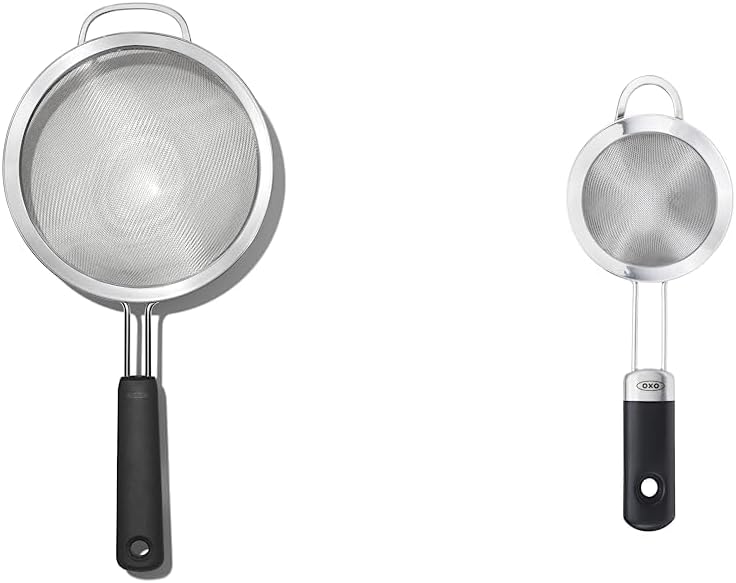
Fine-Mesh Strainer
A fine-mesh strainer is useful for removing lemon seeds, zest pieces, or any small lumps, leaving you with an exceptionally smooth cream sauce.

Balloon Whisk
A good whisk helps emulsify the butter, cream, and lemon juice while preventing the sauce from becoming lumpy or separating.

Microplane Zester
Fresh lemon zest adds concentrated citrus aroma and flavor. A microplane produces fine zest that blends beautifully into a creamy sauce.

Citrus Juicer
Freshly squeezed lemon juice gives the sauce its signature brightness. A handheld citrus juicer extracts the juice efficiently while keeping seeds out.

Silicone Spatula
A flexible silicone spatula is perfect for scraping the bottom and sides of the saucepan, helping prevent the cream sauce from sticking and ensuring none of that delicious sauce goes to waste.
As an Amazon Associate we earn from qualifying purchases.
Making It Ahead and Reheating Without Breaking
The sauce keeps covered in the fridge for up to 3 days — it will thicken considerably as it chills from the butter and cream setting. Reheat gently over low heat with a splash of cream or broth (2 to 3 tablespoons) whisked in to thin it back to the right consistency, stirring constantly. Do not reheat over high heat, which can cause the sauce to separate or the lemon juice to curdle the cream upon reheating.
Do not freeze cream-based sauces — they separate on thawing in a way that cannot be corrected, producing a grainy, broken sauce rather than the smooth original.
Mistakes That Break the Sauce or Dull the Flavour
Adding the lemon juice while the cream is at a full simmer is the most reliable way to produce a slightly grainy sauce — remove the pan from heat completely before the lemon goes in. If the sauce curdles despite this, whisk in an ice cube and remove it after 30 seconds, which sometimes re-emulsifies a lightly broken sauce before it fully separates.
Using bottled lemon juice instead of fresh produces a flat, slightly chemical lemon flavour that bottled juice always carries — fresh lemon juice has volatile aromatic compounds that bottled juice loses in processing, and in a sauce where lemon is the primary flavour, the difference is immediately detectable. Fresh is the only option for a sauce where the lemon is doing most of the work.
Over-reducing the cream before adding the lemon produces a sauce that is too thick and slightly heavy rather than light and silky — the cream should reduce enough to coat a spoon but still pour freely. A sauce that is too thick can be thinned with a splash of pasta water, broth, or additional cream.
The Most Versatile
Lemon Cream Sauce
Silky, garlicky, and bright — this quick 15-minute one-pan sauce is your dinner-saving weapon. Perfect on chicken, salmon, pasta, gnocchi, or roasted vegetables!
Ingredients
Instructions
Place a medium skillet or saucepan over medium heat. Add the butter and let it melt until foaming subsides. Keep it melted but not browned—we want the fresh flavor here!
Add the minced garlic and cook for about 60 seconds, stirring constantly, until fragrant and just lightly golden. Don’t let it get dark brown—burned garlic tastes bitter!
Pour in the white wine or chicken broth. Bring it to a lively simmer and cook for 1–2 minutes, until the liquid has reduced by roughly half.
Pour in the heavy cream and reduce the heat to medium. Bring to a gentle simmer (don’t boil it aggressively!). Cook for 3–4 minutes, stirring occasionally, until the cream coats the back of a spoon.
Remove the pan completely from the heat. Add the fresh lemon juice and lemon zest and stir gently. This step is crucial to keep the cream silky and smooth instead of curdled!
Stir in the Parmesan (if using), followed by the fresh herbs. Season with salt, pepper, and red pepper flakes to taste. If too thick, add a splash of cream, broth, or pasta water.
Kitchen Notes
Fresh lemon juice has a brighter flavor than bottled juice. Since lemon is the main ingredient here, you will absolutely notice the difference!
This is the biggest technique tip! Removing the pan from the heat before adding the acidic lemon juice prevents the milk proteins in the cream from curdling.
Garlic only needs about 60 seconds. Once it starts turning dark brown, the flavor becomes bitter and can overpower the delicate lemon.
Always zest the lemon before you cut it and squeeze the juice. Trying to zest a slippery, half-squeezed lemon is not fun!
Ways to Use This Sauce
Toss 8 oz cooked pasta into the sauce, adding reserved pasta water a little at a time until it silky coats every strand. Do not skip the Parmesan!
Sear chicken breasts first, then build the sauce in that same pan, scraping up all those flavorful browned bits during the deglaze step.
Reduce the garlic to just 1 clove and add 2 tablespoons of rinsed, roughly chopped capers along with the lemon juice.
Reduce the garlic to 1 clove and drizzle over steamed asparagus, broccolini, or roasted cauliflower. Add fresh dill!
Store leftover sauce in an airtight container for up to 3 days. Reheat gently over low heat with a splash of cream or broth.
Add a tablespoon or two of cream, broth, or reserved pasta water and whisk gently until smooth.
Remove it from the heat and whisk gently. If needed, add a small splash of cream and continue whisking until it comes back together.