
The Best Mexican Ceviche Recipe – A Classic Coastal Favorite
There is nothing quite like the feeling of a cool ocean breeze on a scorching summer afternoon. While I can’t personally mail you a plane ticket to Tulum, I can certainly give you the next best thing: the most vibrant Mexican Ceviche Recipe you have ever tasted.
If you have ever felt intimidated by the idea of “cooking” fish in citrus juice, don’t worry. This Mexican Ceviche Recipe is essentially the culinary version of a science experiment that actually ends with a delicious snack instead of a baking soda volcano in your kitchen.
This Mexican Ceviche Recipe is the king of fresh seafood appetizers because it requires zero actual heat. That’s right — keep your oven off and your brow sweat-free while you whip up this crowd-pleasing, citrusy delight.
Why You’ll Obsess Over This Recipe
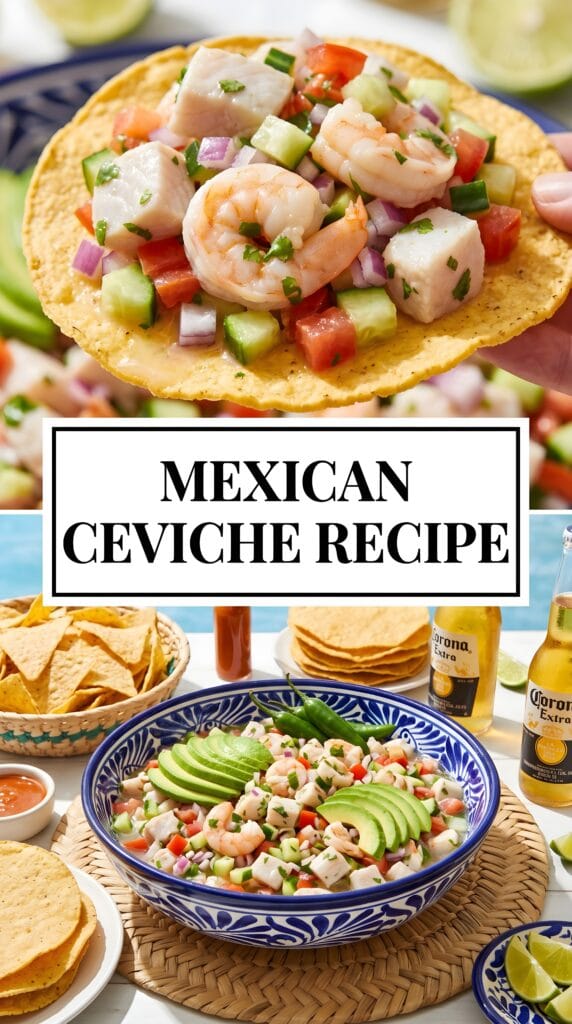
First off, the texture is absolutely incredible. When you follow this authentic shrimp and fish ceviche method, you get a perfect balance of snappy seafood and creamy avocado that feels like a party in your mouth.
It is also incredibly healthy and fits into almost any diet plan. Whether you are counting calories or just looking for a high-protein snack, this healthy low-carb Mexican food staple has got your back without sacrificing an ounce of flavor.
Finally, it is the ultimate “make-ahead” dish. You can prep it, let the lime juice work its magic, and then emerge from the kitchen looking like a gourmet chef when your guests arrive.
Recipe Timing
- Prep Time: 25 minutes
- Marinating Time: 45 minutes
- Total Time: 70 minutes
- Yield / Servings: 6 servings
Ingredients You’ll Need
- 1.0 lb Fresh White Fish (such as Tilapia, Mahi-Mahi, or Sea Bass), cut into 1/2-inch cubes
- 0.5 lb Raw Shrimp, peeled, deveined, and chopped into bite-sized pieces
- 1.25 cups Freshly Squeezed Lime Juice (about 8 to 10 limes)
- 2.0 medium Roma Tomatoes, seeded and finely diced
- 0.5 cup Red Onion, very finely minced
- 1.0 medium Cucumber, peeled and diced small
- 1.0 large Jalapeño, seeds removed and finely minced
- 0.5 cup Fresh Cilantro, chopped finely
- 1.0 medium Avocado, cubed (add just before serving)
- 1.0 teaspoon Sea Salt (adjust to taste)
- 0.5 teaspoon Ground Black Pepper
- 1.0 tablespoon Extra Virgin Olive Oil
Step-by-Step Instructions
- Rinse the seafood under cold water and pat it completely dry with paper towels to ensure the lime juice can penetrate the meat effectively.
- Place the cubed fish and chopped shrimp into a large glass or ceramic bowl; avoid using metal as the acid can react with the material.
- Pour the fresh lime juice over the seafood until every piece is completely submerged, ensuring a uniform “cook” from the citric acid.
- Cover the bowl with plastic wrap and refrigerate for 30 to 45 minutes, or until the fish is opaque and the shrimp has turned a soft pink.
- Drain about half of the excess lime juice from the bowl once the seafood is finished marinating to prevent the dish from becoming overly sour.
- Stir in the diced tomatoes, red onion, cucumber, jalapeño, and cilantro until the colors are beautifully distributed.
- Drizzle the olive oil over the mixture and season with salt and pepper, tossing gently to combine all the coastal flavors.
- Fold in the cubed avocado very gently at the very end to keep the chunks intact and prevent the dish from becoming mushy.
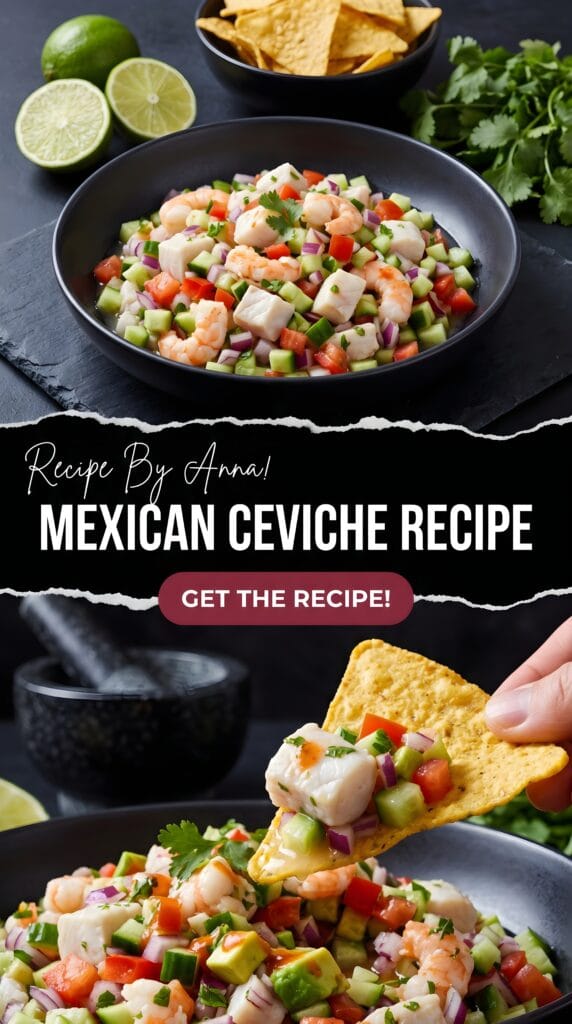
- Serve immediately with crisp tostadas or salty tortilla chips for the perfect crunch.
Looking for more inspiration to round out your fiesta? Check out our Quick Low Country Shrimp Boil
Substitution Suggestions
If you can’t find high-quality white fish, feel free to use 1.5 lbs of shrimp exclusively. Shrimp ceviche is a classic variation that is often more accessible for home cooks who are nervous about raw fish.
For those who want a bit of sweetness, try swapping the cucumber for 1 cup of diced mango. The sugar in the fruit plays beautifully against the acidity of the lime and the heat of the jalapeño.
Vegan friends don’t have to miss out either! You can substitute the seafood with 2 cans of hearts of palm, chopped into rounds. It mimics the texture of seafood surprisingly well and soaks up the marinade perfectly.
What to Pair
This dish practically begs for a cold beverage. A crisp Mexican Lager with a salt rim or a classic Margarita on the rocks will help cut through the acidity and spice.
If you are serving this as a main course, consider a side of coconut lime rice. The creamy, slightly sweet rice provides a neutral base that lets the bright flavors of the seafood shine.
Nutritional Information
| Nutrient | Amount Per Serving |
|---|---|
| Calories | 185 kcal |
| Protein | 22g |
| Carbohydrates | 9g |
| Fats | 7g |
Expert Cooking Tips for Success
The most important tip is to use fresh citrus. Do not even look at that plastic squeeze bottle in the shape of a lime; the flavor is bitter and will ruin your hard work.
Size matters when it comes to your knife skills. Try to keep your fish and vegetable cubes roughly the same size so you get a little bit of everything in every single bite.
Don’t over-marinate the seafood. If you leave it in the lime juice for hours, the acid will eventually break down the proteins too much, resulting in a “rubbery” texture rather than a tender one.
Easy Variations to Try
If you like things spicy, add a second jalapeño or even a minced habanero if you are feeling particularly brave. Just remember to wear gloves while chopping, or you will regret it later!
For a “Ceviche Mixto,” feel free to add 0.25 lb of bay scallops or cooked octopus. The variety of textures makes the dish feel much more high-end and complex.
How to Store & Reheat
Ceviche is best eaten within 2 to 4 hours of making it. Because the “cooking” process continues as long as the fish is in the juice, the texture will change over time.
If you have leftovers, store them in an airtight glass container in the coldest part of your fridge for no more than 24 hours. Note that the fish will become much firmer the longer it sits.
Never reheat ceviche. It is a cold dish by design, and putting it in the microwave will turn your beautiful seafood into a rubbery, unappealing mess. Always enjoy it chilled!
Common Mistakes to Avoid
Using frozen fish: While you can use high-quality frozen seafood if it is thawed correctly, fresh-off-the-boat fish always provides the best snap and flavor profile.
Rushing the process: If the fish still looks translucent and raw in the center, give it another 10 minutes. Eating under-cured fish isn’t just a texture issue; it’s a safety one!
Adding avocado too early: If you stir in the avocado at the beginning, the acid will turn the edges gray and the stirring will turn it into mush. Save it for the very last step.
FAQ
Is the fish actually cooked?
Technically, no heat is involved. However, the citric acid in the lime juice performs a process called denaturation, which changes the protein structure just like heat does, making it safe and delicious to eat.
What is the best fish to use?
Stick to firm, lean white fish. Avoid oily fish like salmon or tuna for a traditional Mexican style, as they can be a bit overwhelming with the lime.
Can I make this ahead of time?
You can chop all the vegetables and the fish ahead of time, but don’t combine them with the lime juice until about an hour before you plan to serve it.
Final Thoughts
Mastering this Mexican Ceviche recipe is like holding a secret key to every summer potluck and beach party. It’s vibrant, impressive, and surprisingly simple once you get the hang of the marinating process.
So grab some limes, find the freshest catch at your local market, and get ready to impress yourself. Just don’t forget the chips—because a ceviche without a crunch is just a very fancy soup!