Korean Vegetable Pancakes | Crispy Yachaejeon Recipe
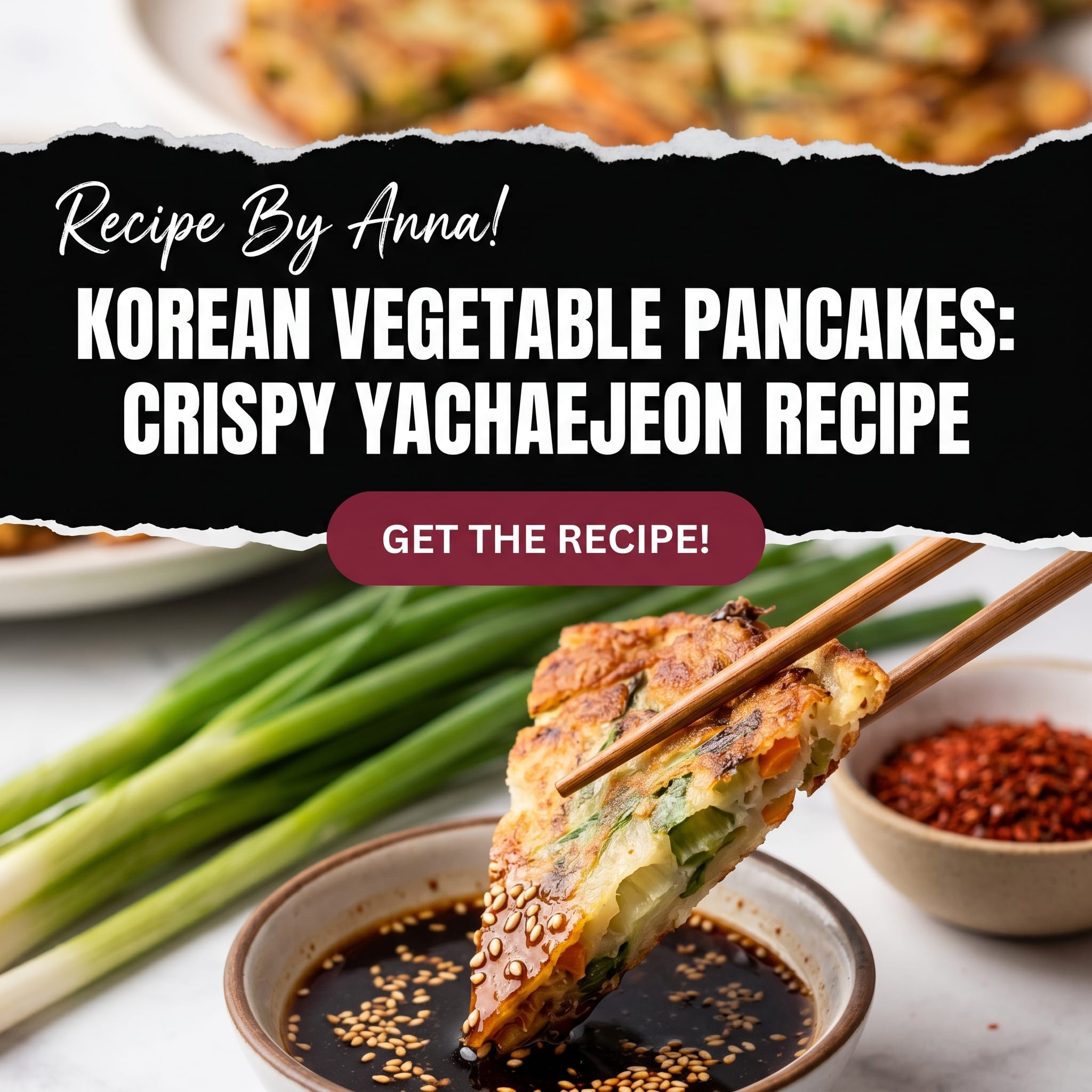
Are you ready to embark on a culinary adventure that’s crispy, savory, and utterly delightful? If you’ve ever found yourself staring into the fridge, wondering what magic you can conjure from a handful of humble vegetables, then my friend, you’ve come to the right place. Today, we’re diving headfirst into the glorious world of Korean Vegetable Pancakes, affectionately known as Yachaejeon (야채전).
Forget everything you thought you knew about pancakes being a sweet breakfast affair drowning in syrup. This is a whole different beast—a savory, satisfying, and ridiculously addictive one. Yachaejeon is a popular Korean snack, appetizer, or side dish that perfectly marries a light, crispy batter with an abundance of fresh, vibrant vegetables. It’s like a secret handshake for your taste buds, a delightful crunch followed by a tender, flavorful interior. And don’t worry, it’s not one of those intimidating Korean dishes that requires a PhD in fermentation. It’s surprisingly simple, incredibly versatile, and guaranteed to become a new favorite in your cooking repertoire.
I mean, who doesn’t love a good pancake? And when it’s packed with veggies and fried to golden perfection, you can practically convince yourself it’s a health food, right? (Disclaimer: while it does contain vegetables, it’s still fried. But hey, moderation!). We’re going to walk through every step, every ingredient, and every little trick to ensure your homemade Yachaejeon recipe turns out absolutely flawless. Get ready to impress yourself, your family, and maybe even that perpetually unimpressed cat of yours. Let’s get cooking!
Jump to Recipe🤩 Why You’ll Obsess Over This Recipe
So, what makes these savory Korean pancakes so utterly irresistible? Let me count the ways! First off, the texture. Oh, the texture! We’re talking about an exterior that’s wonderfully crisp and golden, giving way to a soft, chewy, and tender inside that’s bursting with fresh vegetables. It’s a textural symphony that will have you reaching for just “one more piece” until suddenly, the plate is empty. Don’t worry, it happens to the best of us.
Secondly, it’s a brilliant way to use up those odds and ends of vegetables lurking in your crisper drawer. Got half a zucchini? A lonely carrot? A few forgotten mushrooms? Perfect! Yachaejeon is incredibly flexible, allowing you to customize it with whatever seasonal veggies you have on hand. It’s like a delicious, culinary magic trick where vegetables disappear into thin air (and into your stomach).
Thirdly, it’s surprisingly quick and easy to make. Seriously. Once your veggies are prepped, the batter comes together in a flash, and frying takes mere minutes per pancake. This makes it an ideal choice for a speedy weeknight side, a fun appetizer for guests, or even a satisfying snack when those midday cravings hit. Plus, it’s naturally vegetarian, making it a crowd-pleaser for various dietary preferences. Who knew something so simple could be so universally loved?
🥬 Ingredients You’ll Need
Gather your troops, er, ingredients! Here’s what you’ll need to create your magnificent batch of Korean vegetable pancakes:
For the Pancake Batter:
- 1 cup all-purpose flour (or a mix of all-purpose and glutinous rice flour for extra chewiness)
- 1/4 cup cornstarch or potato starch (for that extra crisp factor!)
- 1 large egg
- 1.5 cups cold water (or slightly more/less, depending on desired consistency)
- 1/2 teaspoon salt
For the Vegetables:
- 1 medium onion, thinly sliced or julienned
- 1 medium carrot, julienned
- 1/2 medium zucchini, julienned
- 1/2 red bell pepper, thinly sliced or julienned
- 4-5 shiitake mushrooms (fresh or rehydrated), thinly sliced
- 2-3 green onions, chopped into 2-inch pieces or thinly sliced
- Optional: Handful of bean sprouts, cabbage, or spinach
For Frying:
- Vegetable oil or any neutral oil, for frying
For the Dipping Sauce:
- 2 tablespoons soy sauce
- 1 tablespoon rice vinegar
- 1 teaspoon sesame oil
- 1/2 teaspoon sesame seeds
- Pinch of gochugaru (Korean chili flakes), optional, for a little kick!
🍳 Step-by-Step Instructions
Let’s turn these ingredients into a culinary masterpiece! Don’t be shy, your pan is waiting.
- Prep Your Veggies: First things first, get your mise en place on! Wash and chop all your vegetables according to the list. Aim for uniform, thin slices or julienned pieces so they cook evenly and integrate well into the batter. This is where the magic starts to happen!
- Whip Up the Batter: In a large mixing bowl, whisk together the all-purpose flour, cornstarch (or potato starch), salt, egg, and cold water until just combined. Don’t overmix! A few small lumps are perfectly fine and actually preferable, as overmixing can lead to a tough pancake. The batter should be fairly thin, like buttermilk, easily coating the back of a spoon.
- Combine Veggies and Batter: Add all your prepared vegetables to the batter bowl. Using a spatula or your (clean!) hands, gently fold the vegetables into the batter until they are evenly coated. You want the veggies to be the star here, with just enough batter to hold them together.
- Heat Your Pan: Place a large non-stick skillet or a cast-iron pan over medium-high heat. Add a generous amount of vegetable oil—enough to coat the bottom of the pan and then some (about 2-3 tablespoons). You want the pancakes to fry, not just cook, to achieve that beautiful crispiness.
- Fry Those Pancakes! Once the oil is shimmering and hot (you can test by flicking a tiny drop of batter in – it should sizzle immediately), spoon about 1/2 to 3/4 cup of the vegetable-batter mixture into the pan. Use the back of your spoon or spatula to gently spread it out into a thin, even circle, about 6-8 inches in diameter. Don’t overcrowd the pan; cook 1-2 pancakes at a time.
- Cook to Golden Perfection: Cook for 3-5 minutes on the first side, or until the edges are golden brown and crispy, and the bottom is a deep, beautiful gold. Carefully flip the pancake using a wide spatula. Add a little more oil around the edges if the pan looks dry.
- Crisp the Other Side: Cook for another 3-5 minutes on the second side, pressing down gently with your spatula occasionally to ensure good contact with the pan and encourage crispiness. You’re aiming for a lovely golden-brown color on both sides.
- Repeat and Serve: Transfer the cooked pancake to a wire rack (this helps keep it crispy) or a plate lined with paper towels to drain any excess oil. Repeat with the remaining batter, adding more oil to the pan as needed for each new batch.
- Whip Up the Dipping Sauce: While the pancakes are cooking, combine all the dipping sauce ingredients in a small bowl. Give it a good stir.
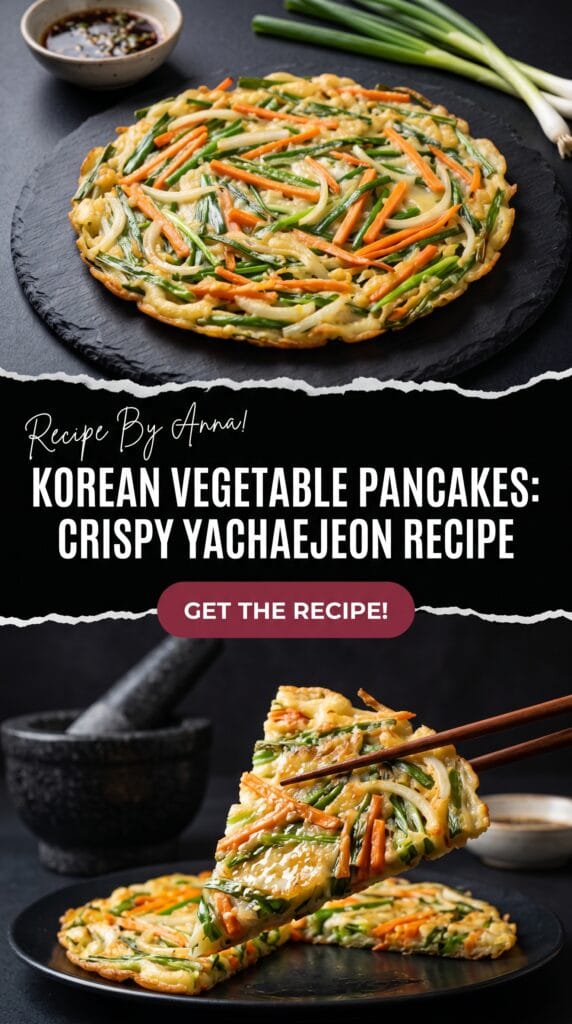
- Enjoy! Serve your hot, crispy Yachaejeon immediately with the dipping sauce on the side. Get ready for applause!
♻️ Substitution Suggestions
Flexibility is one of the best things about this Yachaejeon recipe! Don’t have an ingredient? No problem!
- Flour: You can use 100% all-purpose flour, but adding some glutinous rice flour (chapssal-garu) will give it an extra chewy texture, which is delightful. A bit of rice flour (regular, not glutinous) can also boost crispiness. For a gluten-free version, use a 1:1 gluten-free flour blend along with cornstarch or potato starch.
- Starch: Cornstarch or potato starch are best for crispiness, but if you’re in a pinch, regular flour can work, though the texture might be slightly less crisp.
- Vegetables: The sky’s the limit! Feel free to use green beans, snap peas, bell peppers of any color, thinly sliced cabbage, spinach, chives, kale, mushrooms (enoki, oyster, cremini), or even broccoli slaw mix. Just make sure they are thinly sliced or julienned so they cook quickly and evenly.
- Egg: For an egg-free version, you can try an egg replacer or omit it entirely, adding a touch more water to adjust the batter consistency. The texture might be slightly different but still delicious.
- Dipping Sauce: Customize to your heart’s content! Add a tiny bit of minced garlic, fresh chili, or even a squeeze of lime juice for extra zing.
🍽️ What to Pair
While Yachaejeon is perfectly capable of shining on its own, it plays exceptionally well with others. Here are some perfect pairings:
- The Dipping Sauce: This is non-negotiable! The tangy, savory sauce cuts through the richness of the fried pancake perfectly.
- Makgeolli: The traditional Korean rice wine, makgeolli, is often paired with jeon (pancakes) dishes. Its slightly sweet, milky, and effervescent qualities are a delightful contrast to the savory, crispy pancakes.
- Kimchi: A classic pairing! The spicy, fermented crunch of kimchi is an amazing counterpoint to the warm, savory pancake.
- Rice: Serve it alongside a bowl of freshly steamed white rice for a more substantial meal.
- Other Banchan: If you’re going all out with a Korean meal, Yachaejeon makes a fantastic addition to a spread of various banchan (small side dishes) like pickled radishes or seasoned spinach.
- Soup: A light, clear soup like a simple miso soup or seaweed soup can be a lovely accompaniment.
🔥 Don’t miss this recipe: The Best Broccoli Cheese Soup | Thick, Creamy & Easy Recipe
📊 Nutritional Information
Please note: The nutritional information provided here is an estimate and can vary significantly based on specific ingredients, preparation methods, and portion sizes. This is not a substitute for professional nutritional advice.
Generally, Yachaejeon is a good source of vegetables, providing vitamins, minerals, and fiber. The batter contributes carbohydrates and some protein from the egg, while the frying oil adds fats. Compared to some deep-fried options, pan-frying uses less oil, making it a relatively lighter choice for a savory snack. A typical serving (e.g., one medium pancake) might contain:
- Calories: 150-250 kcal (highly dependent on oil used and size)
- Carbohydrates: 20-30g
- Protein: 5-8g
- Fat: 8-15g
- Fiber: 2-4g
The beauty of this dish is its vegetable content. You’re getting a good dose of various nutrients depending on the veggies you choose. So, while it’s not a salad, it’s certainly a delicious way to get more greens (and reds and yellows!) into your diet!
🌟 Pro Tips for the Perfect Batch
Want to elevate your Yachaejeon from “good” to “OMG, teach me your ways”? Heed these pro tips!
- Cold Water is Key: Using very cold water (even ice water) for the batter helps to create a crispier texture. It also helps prevent gluten development, keeping your pancakes tender.
- Don’t Overmix the Batter: A few lumps are your friends! Overmixing develops gluten, which can lead to tough, rubbery pancakes. Mix just until the ingredients are combined.
- Thin is In: For maximum crispiness, aim to spread your pancakes relatively thin in the pan. A thicker pancake will be softer and chewier.
- Generous Oil: Don’t skimp on the oil! These are fried pancakes, and enough oil is crucial for achieving that beautiful golden crust. Think of it as a delicious, controlled shallow fry.
- Hot Pan, Not Scorching: Ensure your pan is hot before adding the batter, but not so hot that it burns the outside before the inside cooks. Medium-high heat is usually perfect. If it’s smoking excessively, it’s too hot.
- Press Down Gently: After flipping, gently press down on the pancake with your spatula. This ensures maximum contact with the hot pan, promoting even browning and crispiness.
- Cook in Batches: Don’t overcrowd the pan! Cooking too many at once lowers the pan temperature, leads to steaming instead of frying, and results in soggy pancakes. Give each pancake its space to shine.
- Drain on a Rack: After cooking, transfer your pancakes to a wire rack placed over a baking sheet. This allows air to circulate underneath, preventing them from getting soggy on the bottom as they cool. Paper towels work in a pinch, but a rack is superior.
🌈 Easy Variations to Try
Feeling adventurous? These pancakes are your canvas! Here are a few easy ways to switch things up:
- Kimchi Yachaejeon: Add about 1/2 to 1 cup of chopped kimchi (and a tablespoon or two of its juice!) to the batter. This adds a fantastic tangy, spicy kick and an extra layer of flavor. Kimchi-jeon is a Korean classic for a reason!
- Seafood Sensation (Haemul Yachaejeon): For a more substantial meal, add thinly sliced squid, shrimp, or mussels to the vegetable mixture. This transforms it into a “Haemul Yachaejeon,” similar to the popular Haemul Pajeon (seafood green onion pancake).
- Spicy Kick: Incorporate finely minced fresh chilies (like serrano or jalapeño) directly into the batter for an extra fiery punch. Or, mix a teaspoon of gochujang (Korean chili paste) into the batter for a deeper, spicier flavor.
- Herbal Twist: Add fresh herbs like chives, cilantro, or even a bit of dill to the batter for a fresh aromatic element.
- Sweet Potato Goodness: Incorporate thinly julienned sweet potato for a hint of sweetness and a different texture.
- Cheese Please: For a truly indulgent treat, sprinkle some shredded mozzarella or cheddar cheese on top of the pancake right after flipping it. Cover the pan for a minute to let it melt. Hello, cheesy delight!
❄️ How to Store & Reheat
Leftover Yachaejeon? Lucky you! Here’s how to keep them delicious:
Storage:
- Refrigerator: Once completely cooled, store the pancakes in an airtight container in the refrigerator for up to 3-4 days. You can layer them with parchment paper to prevent sticking.
- Freezer: For longer storage, flash freeze individual cooled pancakes on a baking sheet until solid, then transfer them to a freezer-safe bag or container. They can be stored for up to 1-2 months.
Reheating:
- Pan-Frying (Best Method): This is the ideal way to bring back the crispiness. Heat a lightly oiled non-stick skillet over medium heat. Place the pancakes in the pan and cook for 2-4 minutes per side, or until heated through and crispy again.
- Air Fryer: A great option for crispiness! Place pancakes in a single layer in the air fryer basket. Air fry at 350°F (175°C) for 4-7 minutes, flipping halfway, until heated through and crispy.
- Oven/Toaster Oven: Preheat your oven or toaster oven to 350°F (175°C). Place pancakes on a baking sheet and bake for 8-12 minutes, or until heated through and crispy.
- Microwave (Least Recommended): While you can microwave them, they will lose their crispiness and become soft. Only use if you’re desperate and don’t mind a softer texture.
🚫 Common Mistakes to Avoid
Even the best chefs make mistakes, but we can learn from them! Here are some common Yachaejeon pitfalls to sidestep:
- Too Much Batter, Not Enough Veggies: The beauty of Yachaejeon is the generous amount of vegetables. Don’t drown them in batter! You want just enough batter to bind the vegetables together, letting them shine.
- Low Heat & Not Enough Oil: This is a recipe for soggy, sad pancakes. High enough heat ensures a quick, crispy crust, and enough oil is essential for proper frying. Don’t be shy with the oil!
- Overcrowding the Pan: Trying to cook too many at once drops the pan’s temperature significantly, leading to steaming instead of frying. Cook in batches, giving each pancake space.
- Flipping Too Soon: Patience, young grasshopper! Wait until the edges are clearly golden and the pancake easily releases from the pan before attempting to flip. A premature flip can result in a torn pancake.
- Undercooking: While you want crispy exteriors, ensure the interior (especially thicker parts) is cooked through and the vegetables are tender-crisp. Don’t pull them off the heat too soon.
- Forgetting the Dipping Sauce: It’s like a superhero without their sidekick! The dipping sauce truly completes the Yachaejeon experience. Don’t forget it!

Korean Vegetable Pancakes | Crispy Yachaejeon Recipe
Course: Vegetarian4
servings20
minutes20
minutes230
kcalIngredients
For the Pancake Batter
1 cup all-purpose flour
¼ cup cornstarch or potato starch
1 large egg
1½ cups cold water
½ teaspoon salt
For the Vegetables
1 medium onion, thinly sliced
1 medium carrot, julienned
½ medium zucchini, julienned
½ red bell pepper, thinly sliced
4–5 shiitake mushrooms, sliced
2–3 green onions, chopped
Optional: bean sprouts, cabbage, or spinach
For Frying
Vegetable oil, as needed
For the Dipping Sauce
2 tablespoons soy sauce
1 tablespoon rice vinegar
1 teaspoon sesame oil
½ teaspoon sesame seeds
Pinch of gochugaru (optional)
Directions
- Prepare all vegetables by washing and slicing them into thin, even strips.
- In a large bowl, whisk together flour, cornstarch, egg, cold water, and salt until just combined. A few lumps are fine.
- Add the prepared vegetables to the batter and gently fold until evenly coated.
- Heat a large skillet over medium-high heat and add enough oil to generously coat the bottom.
- Spoon about ½–¾ cup of batter into the skillet and spread into a thin circle.
- Cook for 3–5 minutes until the bottom is golden and crispy.
- Flip carefully and cook the other side for another 3–5 minutes, adding more oil if needed.
- Transfer to a wire rack or paper towel-lined plate. Repeat with remaining batter.
- In a small bowl, whisk together all dipping sauce ingredients.
- Serve the pancakes hot with dipping sauce on the side.
Notes
- For extra crispiness: Use ice-cold water in the batter.
Do not overcrowd: Fry one or two pancakes at a time.
Best pan: Cast iron gives the crispiest results.
Serving idea: Slice into wedges for easy dipping.
Storage: Best fresh, but leftovers can be reheated in a skillet.
❓ FAQ
Got questions? We’ve got answers!
Q: Can I make Yachaejeon gluten-free?
A: Absolutely! Use a 1:1 gluten-free flour blend, preferably one that contains rice flour or a starch like tapioca or potato starch, to help with crispiness. Ensure all other ingredients (like soy sauce for the dipping sauce) are also gluten-free.
Q: What’s the best way to cut the vegetables?
A: Thinly julienned (matchstick-sized) is usually best. This ensures they cook quickly and evenly within the pancake and distribute well throughout the batter. For larger vegetables like cabbage, thin slices or shreds work well.
Q: Can I prepare the batter ahead of time?
A: You can prepare the dry batter mix and chop your vegetables ahead of time. However, it’s best to mix the wet ingredients with the dry ingredients and vegetables just before frying. The vegetables can release water over time, making the batter too thin, and the flour can become gummy if left sitting too long.
Q: Is Yachaejeon spicy?
A: Traditionally, plain Yachaejeon is not spicy. However, you can easily add heat by including gochugaru (Korean chili flakes) in the batter, fresh chopped chilies, or by adding gochugaru or a dash of hot sauce to your dipping sauce.
Q: What’s the difference between Yachaejeon and Pajeon?
A: Both are types of jeon (Korean pancakes)! The main difference is the star ingredient. Pajeon (파전) literally means “green onion pancake” and primarily features green onions as its main vegetable. Yachaejeon (야채전) means “vegetable pancake” and incorporates a wider variety of mixed vegetables, often without making green onions the dominant ingredient.
Family favorite recipe : Healthy Food and Drink Recipes
🎉 Final Thoughts
There you have it! Your comprehensive guide to making mouth-watering Korean Vegetable Pancakes (Yachaejeon). This dish is more than just a recipe; it’s an experience. It’s the satisfying crunch, the burst of fresh flavors, and the joy of creating something truly delicious with your own hands. Whether you’re a seasoned Korean food enthusiast or just dipping your toes into its incredible culinary waters, Yachaejeon is an approachable, rewarding, and undeniably tasty place to start.
So, go forth and fry! Don’t be afraid to experiment with your favorite vegetables, adjust the spices, and make this recipe your own. You’ll find yourself craving these crispy, savory delights again and again. And remember, cooking should be fun, so crank up some K-Pop, grab your spatula, and let your inner pancake master shine. Happy cooking!